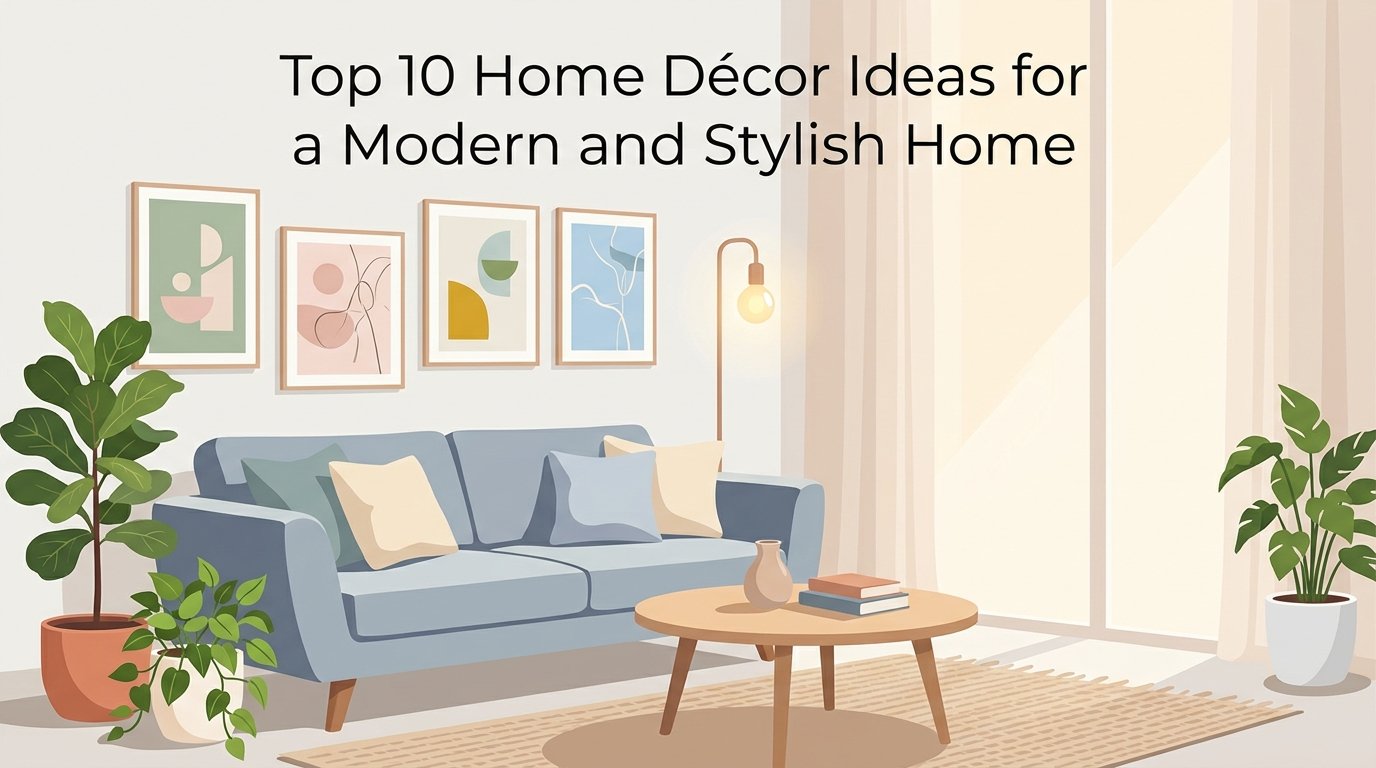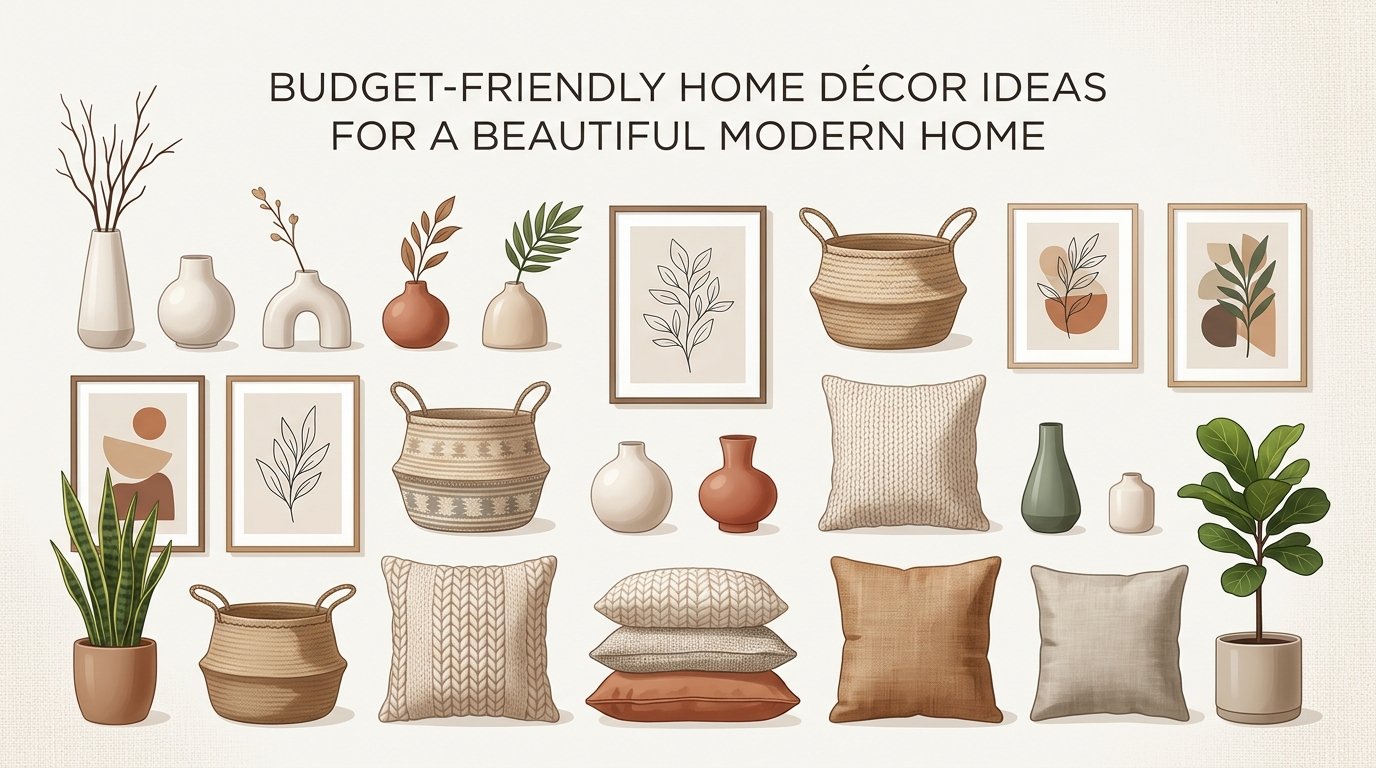
Creating a beautiful modern home does not have to cost a fortune. With thoughtful planning, creative ideas, and a few affordable changes, you can transform your living space into a comfortable, stylish, and welcoming environment. Whether you live in a small apartment, a rented house, or a spacious family home, budget-friendly home décor ideas can help you make the most of your space without overspending.
Modern home décor focuses on simplicity, functionality, natural textures, clean lines, and carefully selected decorative elements. You do not need expensive furniture or designer accessories to achieve this look. Small improvements, such as rearranging furniture, adding indoor plants, updating cushions, improving lighting, or displaying meaningful artwork, can make a significant difference.
In 2026, homeowners can take inspiration from warm neutral colors, natural materials, multifunctional furniture, sustainable decorating, and personalized living spaces. However, a beautiful home is not simply about following trends. It should reflect your personality, support your daily routine, and make you feel comfortable.
In this guide, we will explore the best budget-friendly home décor ideas for a beautiful modern home, including affordable living room decorations, bedroom styling, small-space solutions, DIY projects, lighting tips, and practical ways to decorate your home without spending too much money.
Why Choose Budget-Friendly Home Décor
Budget-friendly home décor allows you to improve your living environment while keeping your finances under control. Instead of replacing everything in your home, you can focus on the changes that create the greatest visual impact.
For example, changing cushion covers, adding a mirror, introducing warm lighting, or reorganizing furniture can make a room feel refreshed without requiring a major renovation. These small updates are particularly helpful for renters, students, young families, and homeowners who want a new look on a limited budget.
Affordable decorating also encourages creativity. You can reuse furniture, repurpose old household items, shop second-hand, or create your own decorative pieces. These approaches can give your home a more personal appearance than purchasing every item from a single store.
The most effective approach is to plan before buying. Decide which rooms need attention, establish a spending limit, and prioritize useful changes. When you combine affordability with thoughtful design, you can create a modern home that looks attractive and functions well.
Refresh Your Walls With Affordable Colors
One of the easiest ways to update a modern home is to refresh its wall colors. Paint can change the mood of a room and help older spaces look cleaner and brighter.
Neutral shades such as warm white, beige, soft grey, and light cream are popular choices for modern interiors because they work well with different furniture styles. These colors can create a calm background for decorative accessories, plants, and artwork.
If painting an entire room is outside your budget, consider updating just one wall. An accent wall in a muted green, soft blue, terracotta, or another complementary shade can introduce personality without requiring much paint.
Before purchasing paint, measure the wall area and calculate how much material you need. Test a small sample first because colors may look different under natural and artificial lighting. If you are renting, check whether your landlord permits painting.
You can also improve the appearance of walls without painting by cleaning marks, removing unnecessary clutter, and arranging existing pictures more thoughtfully. A fresh, simple wall can be just as effective as an expensive decorative feature.
Rearrange Furniture for a Fresh Look
You do not always need new furniture to improve your home. Sometimes, simply rearranging the pieces you already own can make a room feel more spacious, balanced, and functional.
Start by identifying the main purpose of the room. In a living room, arrange seating so people can talk comfortably and move around without obstacles. In a bedroom, make sure the bed is positioned conveniently and that essential items remain easy to access.
Avoid pushing every piece of furniture against a wall automatically. Depending on the room’s shape, creating a small conversation area or leaving breathing space around furniture can improve the overall layout.
Remove pieces that block walkways or make the room feel crowded. If you have furniture that serves little purpose, consider relocating it to another room or selling it rather than buying additional storage.
Before moving heavy furniture, plan the arrangement and measure larger pieces to ensure they fit. This simple decorating exercise costs little or nothing but can make your home feel noticeably different.
Decorate With Affordable Cushions and Throws
Cushions and throws are useful accessories for refreshing sofas, beds, reading chairs, and other seating areas. They introduce color, softness, and texture without requiring a major furniture purchase.
For a modern look, choose two or three complementary colors rather than mixing too many unrelated patterns. For example, cream cushions with beige and muted green accents can create a calm appearance. If your furniture is neutral, a few colorful cushions can provide a more lively effect.
Texture is another way to make a room look interesting. Cotton, linen-style fabrics, knitted throws, and textured cushion covers can add depth even when the colors remain simple.
You do not need to replace all your accessories every season. Buying removable cushion covers allows you to change the appearance of a room while keeping the same cushions. You can also reuse fabrics or sew simple covers if you enjoy DIY projects.
When choosing textiles, consider how easy they are to wash and maintain. Affordable décor should be practical as well as attractive, especially in homes with children or pets.
Add Indoor Plants for a Natural Touch
Indoor plants are an affordable way to introduce color and natural texture into your home. They can make a room feel more welcoming and help connect your interior design with the outdoors.
Choose plants according to the amount of natural light available. Some varieties prefer bright indirect light, while others tolerate lower-light conditions. Research the care requirements before purchasing a plant so you can choose one that suits your home and routine.
Place plants on shelves, window ledges, side tables, or suitable floor spaces. A small group of plants in coordinating pots can create a decorative arrangement without overcrowding the room.
If you have a limited budget, start with one or two easy-care plants rather than buying a large collection. You may also be able to propagate certain plants from cuttings, depending on the species.
Use simple pots in colors that coordinate with your furniture. Terracotta, white, beige, and muted green containers can complement many modern interiors. Make sure pots have suitable drainage and protect furniture surfaces from excess water.
If you have pets, check whether a plant is toxic before bringing it indoors. Some common houseplants can be harmful if chewed or swallowed.
Improve Lighting Without Expensive Renovations
Lighting can dramatically affect how a room looks and feels. A well-lit space often appears more welcoming, while harsh or poorly positioned lighting may make even attractive furniture look less appealing.
Instead of relying on a single bright ceiling light, consider combining different light sources. A floor lamp beside a sofa, a table lamp on a side table, or a suitable reading light near a chair can make the room more functional and visually interesting.
Warm-white bulbs can create a cozy atmosphere in bedrooms and living rooms, while brighter task lighting may be useful for reading, cooking, studying, or working. Choose lighting according to the activity and the manufacturer’s recommendations.
Make the most of daylight by keeping windows clean and avoiding unnecessary obstructions. Lightweight curtains can allow more natural light into a room while still providing privacy.
You can also refresh existing lamps by cleaning the shades or replacing worn accessories where safe and appropriate. Avoid exposed or damaged wiring, overloaded sockets, and unsuitable electrical installations. For electrical changes, use a qualified professional.
Use Mirrors to Make Small Rooms Feel Larger
Mirrors are practical decorative accessories that can make a small room feel brighter and more open. When placed thoughtfully, they reflect light and create a greater sense of depth.
A medium or large mirror can work well in a narrow hallway, small bedroom, or compact living room. Positioning a mirror opposite or near a window may help distribute natural light throughout the space.
For a modern interior, choose a simple frame in black, natural wood, gold-toned metal, or a color that complements the existing décor. A frameless mirror can also create a clean, understated look.
You do not need to buy an expensive designer mirror. Compare sizes, materials, and mounting requirements, and consider second-hand options in good condition.
Always secure mirrors properly, especially in homes with children or pets. Use suitable wall fixings for the mirror’s weight and the type of wall. A well-placed mirror can provide both everyday functionality and an attractive decorative feature.
Create DIY Wall Art on a Budget
Wall art can add character to your home, but original artwork and large framed prints can be expensive. Creating your own wall decorations is an affordable way to personalize your space.
You could frame photographs, display your own drawings, create abstract artwork, or arrange simple prints in matching frames. Even a small collection of carefully selected images can make a plain wall feel more complete.
Choose a consistent color palette to help the artwork coordinate with your furniture. For example, black-and-white photographs can suit a minimalist interior, while nature-inspired prints may complement warm, earthy décor.
You can reuse old frames by cleaning them, repainting them, or changing the pictures inside. If you print artwork at home, choose paper that works well with the printer and frame size.
Before hanging several pictures, lay out the arrangement on the floor and take a photograph. This helps you experiment with spacing without making unnecessary holes in the wall.
If you are renting, removable picture strips may be useful when compatible with the wall surface and the weight of the frame. Always follow the manufacturer’s instructions.
Upgrade Your Bedroom With Simple Changes
A comfortable bedroom does not require an expensive makeover. Small changes to bedding, lighting, storage, and wall décor can create a calmer and more coordinated space.
Start by making the bed neatly and choosing bedding in colors that complement the room. White, cream, beige, soft blue, and muted green can create a relaxing appearance, while patterned bedding can add personality.
Replace only the items that need attention. A new pillow cover, an affordable bedside lamp, or a small rug may be enough to refresh the room. You can also rearrange existing furniture to improve movement and make the space feel less crowded.
Keep bedside surfaces organized by storing unnecessary items elsewhere. A tidy nightstand with a lamp, a book, and one decorative object can look more intentional than a surface filled with unrelated accessories.
Storage is particularly important in small bedrooms. Use suitable under-bed containers, drawer organizers, hooks, or baskets to keep belongings accessible without making the room feel cluttered.
Your bedroom should support rest and comfort. Choose décor that suits your preferences rather than adding accessories simply because they are fashionable.
Make Your Living Room Look Modern for Less
The living room is often one of the most frequently used spaces in a home, making it a useful place to start when decorating on a budget.
Begin by selecting a simple color palette. Neutral walls and larger furniture pieces can provide a flexible foundation, while cushions, throws, rugs, and artwork introduce accent colors.
Arrange seating to support conversation and ensure there is enough space to walk comfortably. A small side table or a simple tray on an existing coffee table can make everyday items look organized.
If your sofa looks worn but remains comfortable and structurally sound, consider cleaning it according to the manufacturer’s instructions or using suitable washable covers. Replacing a few accessories may be much less expensive than purchasing a new sofa.
Use shelves or cabinets to display a small selection of books, plants, photographs, and meaningful objects. Leave some open space rather than filling every surface. A balanced arrangement often looks more modern than excessive decoration.
Finally, think about how the room is used. If your living room also serves as a workspace or family activity area, choose furniture arrangements and storage solutions that support those activities.
Choose Affordable Rugs and Curtains
Rugs and curtains can change the appearance of a room by adding color, softness, and texture. They can also help define separate areas in an open-plan living space.
When choosing a rug, consider the size of the room and the furniture arrangement. A rug that is too small may look disconnected from the seating area, while a suitable size can help the furniture feel coordinated.
Simple patterns and neutral shades are often versatile, but colorful rugs can also work as a focal point in an otherwise understated room. Look for materials that suit the amount of foot traffic and the level of maintenance you are comfortable with.
Curtains can soften windows and help control privacy and daylight. Lightweight curtains are useful when you want to preserve natural light, while thicker options may be better for privacy or reducing unwanted light.
Measure windows before purchasing curtains or rugs. Checking dimensions carefully helps prevent costly mistakes. If your budget is limited, prioritize the room where these items will make the biggest difference.
Decorate With Second-Hand and Repurposed Furniture
Second-hand furniture can be an excellent choice for budget-conscious home decorating. Local resale shops, community marketplaces, family hand-me-downs, and furniture exchanges may offer useful items at lower prices than new products.
Look for furniture that is structurally sound and suitable for your needs. Scratches, outdated finishes, or minor cosmetic wear may be manageable, but significant instability, water damage, mold, or pest problems should be treated seriously.
An old wooden table may look refreshed after appropriate cleaning and refinishing. A sturdy chair could benefit from new fabric or a cushion, while a basic shelf may look more coordinated after a suitable paint update.
Repurposing also reduces waste and gives your home a distinctive appearance. An old ladder may serve as a decorative blanket rack if it is stable and safely positioned. Wooden crates may be used for lightweight storage when they are clean, sturdy, and suitable for the intended load.
Before buying second-hand furniture, measure your space and consider transportation costs. An inexpensive item may not be a good bargain if it requires expensive repairs or does not fit the room.
Organize Your Home With Stylish Storage
Clutter can make a modern home feel smaller and less comfortable. Affordable storage solutions help keep everyday belongings organized while allowing decorative elements to stand out.
Use baskets for blankets, magazines, toys, or other items that need to remain accessible. Drawer organizers can separate small belongings, while wall hooks can provide convenient storage for bags, jackets, and accessories.
In small homes, multifunctional furniture can be particularly useful. A storage ottoman, a bed with drawers, or a coffee table with shelves can provide extra space without adding too many separate pieces of furniture.
Open shelves can display books and selected decorative objects, but they should not become a place to store everything. Combine useful storage with a few attractive items and leave some room between objects.
Labeling boxes and assigning a specific place to frequently used belongings can make everyday organization easier. The goal is not to hide everything but to make your home functional and visually balanced.
Use Modern Decorative Accessories Carefully
Decorative accessories can bring personality into a room, but purchasing too many small items may increase costs and create visual clutter.
Start by choosing a few objects that complement your existing décor. A decorative vase, a framed photograph, a small sculpture, or a tray can create a focal point on a coffee table or shelf.
Grouping objects in odd numbers can be a useful styling technique, although it is not a strict rule. For example, a vase, a small book stack, and a decorative bowl can form a balanced arrangement when their sizes and colors work together.
Varying height and texture can make displays more interesting. Combine a taller object with a shorter item and something with a different surface, while leaving enough space for the arrangement to feel relaxed.
Personal items such as travel souvenirs, family photographs, and handmade crafts can make a room feel meaningful. You do not have to follow a showroom style to create a beautiful home. The best accessories are those that suit your taste and have a place in your daily life.
Try Affordable Kitchen and Dining Décor
The kitchen and dining area can also benefit from small, low-cost decorating changes. You do not need to replace cabinets or countertops to make these spaces feel more organized and attractive.
Begin by clearing unnecessary items from work surfaces. Store frequently used utensils in a suitable container and keep cooking essentials accessible without crowding the counter.
Matching storage jars, a simple fruit bowl, clean dish towels, or a small plant in an appropriate location can provide decorative interest. If you display food, choose containers and surfaces that are safe for food contact and easy to clean.
For a dining table, a simple runner, washable placemats, or a modest centerpiece can create a welcoming appearance. Avoid arrangements that interfere with serving food or prevent people from seeing each other comfortably.
In a rental kitchen, removable organizers or shelf inserts may provide extra storage without permanent alterations. Make sure any adhesive or hanging solution is appropriate for the surface and can be removed safely.
Keep hygiene and safety in mind. Decorative items should not obstruct cooking, create fire hazards near heat sources, or make food preparation surfaces difficult to clean.
Create a Cozy Outdoor Space on a Small Budget
If you have a balcony, patio, veranda, or small garden, a few affordable changes can turn it into a comfortable place to relax.
Start by cleaning the area and arranging existing chairs or tables to create a practical seating space. A weather-appropriate cushion, a small outdoor rug, or a few suitable planters can help make the area feel more inviting.
Choose plants that suit the available sunlight, climate, and watering routine. If space is limited, consider vertical planters or railing containers designed for secure installation. Make sure planters cannot fall and that water drainage will not damage nearby surfaces.
Solar-powered outdoor lights may provide decorative illumination where sunlight and installation conditions are suitable. Always choose products intended for outdoor use and follow safety instructions.
You can also repurpose sturdy containers as planters when they are safe and provide adequate drainage. Avoid placing heavy items where they could create a fall risk, particularly on balconies.
Even a small outdoor area can become useful with thoughtful planning. Focus on comfortable seating, appropriate lighting, and easy-to-maintain plants rather than buying many decorative products.
Sustainable Home Décor Ideas That Save Money
Sustainable home décor focuses on using resources thoughtfully, reducing waste, and choosing items that can remain useful over time. It can also help reduce unnecessary spending.
Before buying something new, consider whether an existing item can be repaired, cleaned, rearranged, or repurposed. Repainting a suitable shelf or replacing worn cushion covers may provide the refresh you need without purchasing a completely new item.
Second-hand furniture, durable household textiles, reusable storage containers, and long-lasting decorative accessories can all support a more resource-conscious approach. Choose products based on their actual durability and usefulness rather than assuming that a particular material or marketing label guarantees sustainability.
Buying fewer but more versatile items can also make your home easier to maintain. A neutral rug, for example, may work in different room arrangements, while simple furniture can remain useful as your preferences change.
Sustainable decorating does not require replacing everything with products advertised as eco-friendly. Making careful use of what you already own is often a practical first step.
How to Plan a Home Décor Budget
A clear budget can help you avoid overspending and focus on the improvements that matter most.
Start by walking through each room and writing down what you would like to change. Separate essential improvements from optional decorative purchases. For example, fixing a broken light or improving storage may be more important than buying new ornaments.
Next, decide how much you can comfortably spend. Divide the budget between the areas that need the most attention, leaving some room for unexpected expenses. You do not have to decorate every room at the same time.
Research prices before purchasing and compare the total cost, including delivery, installation, paint, tools, or other materials. For DIY projects, make sure you have the skills and equipment needed to complete the work safely.
You can also spread decorating projects across several weeks or months. Begin with low-cost changes such as decluttering, rearranging furniture, and using existing accessories. Then purchase additional items only when they provide genuine value.
A beautiful home is created through thoughtful choices rather than the amount of money spent. A clear plan makes it easier to achieve a coordinated look while staying within your financial limits.
Common Home Décor Mistakes to Avoid
One common mistake is buying decorative items before deciding on a room’s overall style. This can lead to unrelated colors, unnecessary purchases, and clutter. Choose a basic color palette and consider the function of the room before shopping.
Another mistake is ignoring scale. A very small rug may not connect the furniture arrangement, while oversized furniture can make a compact room difficult to use. Measure the space and check product dimensions before purchasing.
Poor lighting can also affect the appearance of a room. Consider the available daylight and the activities performed in each area before selecting lamps or bulbs.
Overdecorating is another issue. Not every shelf, wall, or table needs an accessory. Leaving some areas open helps the room feel more balanced and makes your favorite items more noticeable.
Finally, do not spend money on every trend. Home décor trends change, but comfortable furniture, useful storage, appropriate lighting, and a coordinated color scheme remain practical foundations for many interior styles.