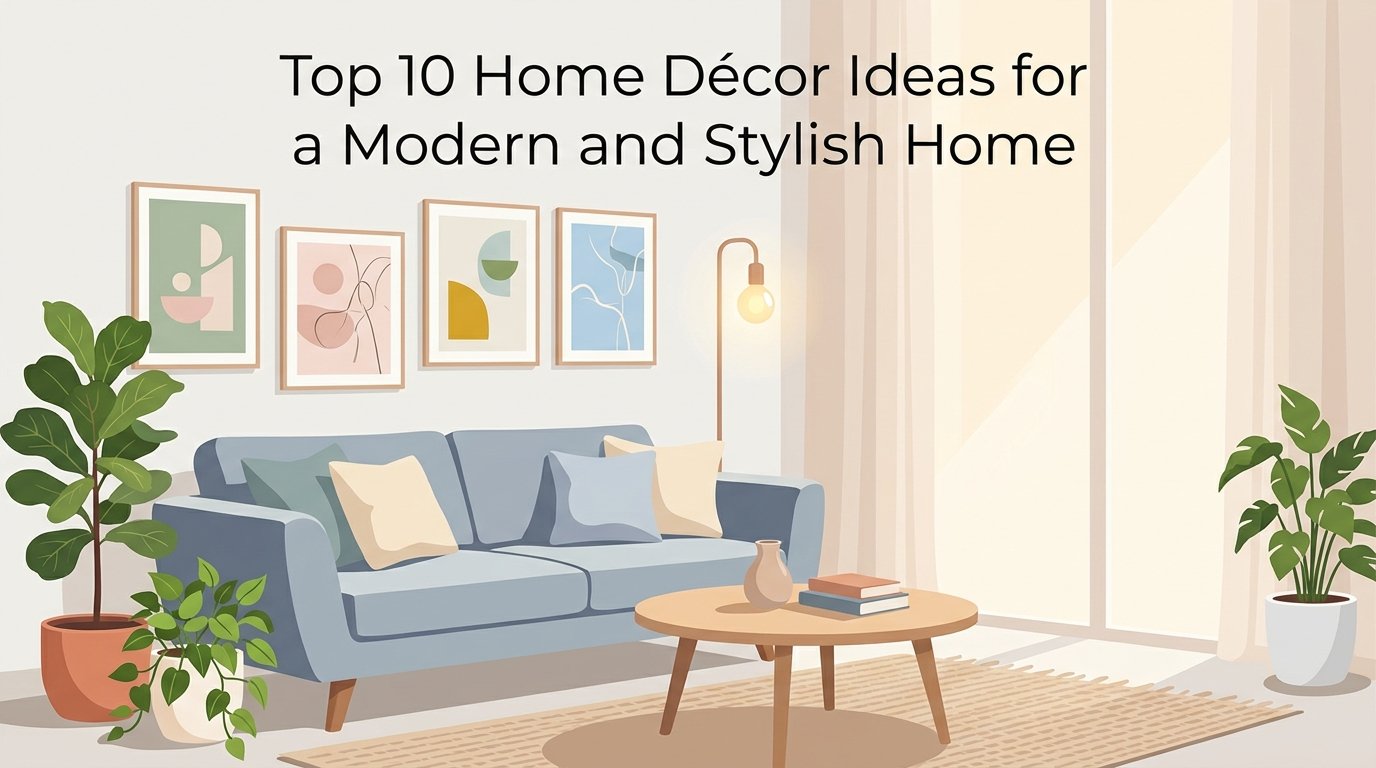
Top 10 Home Décor Ideas for a Modern and Stylish Home
Introduction
A modern and stylish home is more than just a beautiful space. It is a comfortable environment that reflects your personality, supports your lifestyle, and makes everyday living more enjoyable. Whether you live in a small apartment, a family house, or a spacious modern home, the right home décor ideas can transform your space without requiring a complete renovation.
Modern home décor focuses on simplicity, functionality, comfort, and visual balance. From choosing the right color palette to adding indoor plants, stylish lighting, and practical furniture, small changes can make a significant difference. You do not always need expensive furniture or luxury accessories to create an attractive interior. With thoughtful planning and creative ideas, you can design a beautiful home that looks elegant and feels welcoming.
In this guide, we explore the top 10 home décor ideas for a modern and stylish home. These interior design tips will help you refresh your living room, bedroom, dining area, and other spaces while making the most of your budget.
1. Choose a Neutral and Harmonious Color Palette
One of the easiest ways to create a modern home interior is by selecting a harmonious color palette. Colors influence the appearance and atmosphere of a room, making them an important part of interior design.
Neutral colors such as white, beige, cream, soft gray, and warm brown are popular choices for modern homes. These shades create a clean, peaceful appearance and make rooms feel more open. They also provide a flexible background for furniture, artwork, decorative cushions, and other accessories.
You do not need to make every part of your home white or gray. Instead, combine neutral colors with a few accent shades to create visual interest. For example, a beige living room can look beautiful with olive-green cushions, wooden furniture, and black decorative frames. Similarly, a white bedroom can feel warmer with soft brown bedding and cream curtains.
When selecting colors, consider the natural light in your room. Darker rooms may benefit from lighter wall colors, while bright spaces can accommodate deeper accent shades. Try to maintain a consistent color scheme throughout connected spaces to create a balanced and coordinated interior.
The goal is to choose colors that complement each other and make your home feel comfortable rather than crowded.
2. Invest in Functional and Stylish Furniture
Furniture plays an essential role in modern home décor. The right pieces improve comfort, support daily activities, and contribute to the overall appearance of your interior.
Modern furniture often features clean lines, simple shapes, practical storage, and uncluttered designs. Instead of filling a room with numerous pieces, select furniture that serves a clear purpose and fits the available space.
For a living room, consider a comfortable sofa, a simple coffee table, and a compact side table. In a small apartment, a storage ottoman or a sofa bed can provide additional functionality without taking up unnecessary space. For bedrooms, bedside tables with drawers and beds with built-in storage can help keep personal belongings organized.
Before purchasing furniture, measure your room carefully. Large furniture may overwhelm a small space, while furniture that is too small can make a large room feel incomplete. Leave enough room for comfortable movement between pieces.
You can also combine different materials, such as wood, metal, glass, and fabric, to add depth to your interior. However, keep the overall style consistent so that the room looks coordinated.
Remember that stylish furniture should not sacrifice comfort. A modern home should look attractive while remaining practical for everyday life.
3. Use Lighting to Create a Warm and Elegant Atmosphere
Lighting is one of the most effective home décor elements because it can change the entire mood of a room. Even beautifully decorated spaces can feel uncomfortable if the lighting is too harsh, too dim, or poorly positioned.
A modern home benefits from a combination of natural lighting and different artificial light sources. During the day, allow sunlight to enter through windows whenever possible. Light-colored curtains, clean windows, and strategically placed mirrors can help distribute natural light throughout the room.
For artificial lighting, consider using three main types: ambient lighting, task lighting, and accent lighting. Ambient lighting provides general illumination, task lighting supports activities such as reading or cooking, and accent lighting highlights decorative features.
A stylish pendant light can become a focal point above a dining table, while a floor lamp beside a sofa can create a comfortable reading corner. Bedside lamps provide convenient lighting for bedrooms, and under-cabinet lights can improve visibility in kitchens.
Warm-white lighting often creates a relaxing atmosphere in living rooms and bedrooms. Brighter, neutral lighting may be more suitable for work areas and kitchen preparation spaces.
You can also use decorative wall lights or LED strips to highlight shelves, artwork, or architectural details. Choose lighting fixtures that complement your furniture and interior color scheme.
Good lighting makes your home more functional while adding warmth, depth, and elegance.
4. Add Indoor Plants for a Natural Touch
Indoor plants are a simple and affordable way to make your home look fresh and inviting. They introduce natural colors, soften hard surfaces, and complement a wide range of modern interior styles.
Plants can work well in living rooms, bedrooms, kitchens, entryways, and home offices. A tall indoor plant placed in an empty corner can make the space feel more complete. Smaller plants can decorate shelves, coffee tables, windowsills, and bedside tables.
If you prefer low-maintenance options, consider plants such as snake plants or pothos, depending on the light and conditions in your home. Always check the specific care requirements before choosing a plant. Some plants need bright indirect light, while others can tolerate lower-light environments.
Choose planters that match your interior design. Ceramic pots, simple neutral containers, woven baskets with suitable inner pots, and modern plant stands can all contribute to a stylish appearance.
You do not need to fill every room with greenery. A few well-placed plants are often enough to create a natural and balanced effect.
If you have pets or young children, check whether a plant is toxic before bringing it into your home. Place unsuitable plants out of reach or choose safer alternatives.
Indoor plants are especially useful when you want to introduce color and texture without making your décor feel busy.
5. Decorate Walls With Art, Mirrors, and Personal Details
Empty walls can make a room feel unfinished, while thoughtfully decorated walls add personality and visual interest. Wall décor is one of the easiest ways to express your taste without changing the furniture or making major renovations.
Artwork is a popular choice for modern interiors. You can display abstract prints, landscape photography, minimalist illustrations, or artwork that reflects your interests. Select pieces that complement your room’s color palette and overall style.
A large piece of artwork above a sofa or bed can create a strong focal point. Alternatively, a gallery wall with several coordinated frames can make a room feel more personal. To keep the arrangement balanced, choose frames with similar finishes or repeat colors that already appear in the room.
Mirrors are another practical decoration. A large mirror can reflect light and help a room appear more spacious. Placing a mirror opposite a window may increase the amount of daylight reflected into the room, depending on the layout.
Personal photographs, travel memories, and meaningful decorative objects can also make your home unique. Display them selectively rather than covering every available surface.
Before hanging artwork or mirrors, consider the wall’s size and the height of nearby furniture. Well-positioned decorations look intentional and help the entire room feel more polished.
6. Create a Cozy Living Room With Textures and Soft Furnishings
The living room is often the central gathering place in a home. It is where family members relax, guests socialize, and people enjoy entertainment. For this reason, living room décor should balance style with comfort.
Soft furnishings are an easy way to make this space more inviting. Cushions, throws, area rugs, and curtains introduce texture, color, and warmth without requiring a major investment.
Try combining different textures, such as cotton cushions, a knitted throw, a soft rug, and a smooth wooden coffee table. These contrasting materials create depth and prevent a neutral room from looking flat.
An area rug can help define the seating arrangement, particularly in an open-plan living space. Choose a size that fits the furniture layout instead of selecting a rug that is too small for the room.
Curtains can also influence the appearance of your living room. Floor-length curtains often create an elegant effect, while lightweight fabrics can allow more natural light into the space. Select a color that complements the walls and furniture.
Arrange seating to encourage conversation and comfortable movement. Avoid placing too many decorative items on the coffee table or sofa, as excessive accessories can make the room feel cluttered.
A stylish living room does not have to look like a showroom. The best design combines beautiful details with a comfortable atmosphere that suits your everyday life.
7. Make Small Spaces Look Bigger and More Organized
Small homes and apartments can look modern and stylish when every area is used efficiently. The key is to reduce unnecessary clutter, choose suitable furniture, and create a sense of openness.
Start by keeping floors and walkways as clear as possible. Furniture with raised legs can make a room appear less crowded because more of the floor remains visible. Transparent or glass furniture may also create a lighter visual effect in certain interiors.
Use vertical space to increase storage. Wall-mounted shelves, tall bookcases, and hooks can help organize books, accessories, and everyday items without occupying too much floor area.
Multifunctional furniture is particularly useful in compact homes. A storage bed, foldable dining table, nesting tables, or a bench with hidden storage can provide extra functionality while keeping the room organized.
Light wall colors and carefully positioned mirrors may help a small room feel more open. However, lighting and layout are just as important as color. Avoid blocking windows with oversized furniture, and make sure there is enough space to move comfortably.
Organization also makes a major difference. Use baskets, storage boxes, drawer dividers, and closed cabinets to keep belongings out of sight. Display only a few favorite decorative objects instead of overcrowding shelves.
With a thoughtful layout and practical storage solutions, even a small room can feel spacious, functional, and attractive.
8. Upgrade Your Bedroom With Simple and Elegant Décor
Your bedroom should be a peaceful place where you can relax and recharge. A well-designed bedroom combines comfortable bedding, suitable lighting, organized storage, and a calming color scheme.
Begin with the bed because it is usually the main focal point. Choose comfortable bedding in colors that complement the rest of the room. White, cream, beige, soft blue, and muted green can create a relaxing appearance, although your preferred colors should guide the final choice.
Layering bedding can make the room feel more luxurious. Combine sheets, a duvet or comforter, a few cushions, and a throw blanket. Keep the arrangement practical so that it remains easy to maintain.
Bedside tables help organize essential items such as books, glasses, and charging cables. Add a lamp or wall light for convenient evening illumination. If space is limited, wall-mounted shelves can replace traditional bedside tables.
Consider using blackout curtains or suitable window coverings if outside light interferes with your sleep. Keep clothing, laundry, and other everyday items organized to reduce visual clutter.
You can also add a framed print above the bed, a small plant where appropriate, or a soft rug beside the bed. These details make the space feel personal without overwhelming it.
A stylish bedroom does not require expensive furniture. Clean bedding, coordinated colors, soft lighting, and good organization can create an elegant and comfortable retreat.
9. Refresh Your Kitchen and Dining Area
The kitchen and dining area are important parts of a functional home. A few thoughtful updates can improve their appearance while making everyday tasks easier.
Start by organizing kitchen counters. Keep frequently used items accessible, but store appliances and utensils that you rarely use to reduce clutter. Matching storage containers can make ingredients and pantry supplies easier to identify while creating a coordinated look.
You can introduce decorative elements through a fruit bowl, a simple vase, attractive dishware, or a small herb planter if the lighting and conditions are suitable. Keep decorations away from food-preparation areas where they could interfere with hygiene or safe cooking.
If you want to refresh your kitchen without a full renovation, consider updating cabinet handles, improving lighting, adding a washable runner where appropriate, or using a coordinated color scheme for accessories. Always choose materials suitable for the heat, moisture, and cleaning requirements of the area.
In the dining area, a simple centerpiece can make the table look more inviting. A vase, a bowl, or a small arrangement of seasonal flowers can provide visual interest without occupying too much space.
Choose dining chairs that are comfortable and proportionate to the table. If your home has an open-plan layout, repeat colors or materials from the living room to create a visual connection between the two spaces.
The best kitchen and dining décor combines attractive design with easy cleaning, practical storage, and everyday convenience.
10. Personalize Your Home With Thoughtful Accessories
Accessories bring a home together and allow you to express your personality. They include decorative trays, candles, books, cushions, ceramics, vases, framed photographs, and other small objects.
The secret to successful accessorizing is choosing items intentionally. Rather than purchasing many decorations simply because they are fashionable, select pieces that suit your style and have a purpose or personal meaning.
For example, a wooden tray on a coffee table can organize a candle, a small vase, and a decorative object. A bookshelf can display a combination of books, framed pictures, and a few carefully selected accessories. In an entryway, a mirror and a small tray for keys can be both attractive and useful.
Try arranging objects in groups of different heights and shapes. This creates visual variety while helping the arrangement feel natural. Repeat materials or colors in different parts of the room to create consistency.
Seasonal accessories can refresh your home throughout the year. Lightweight fabrics and fresh colors may suit warmer months, while textured throws and warmer shades can make a room feel comfortable during colder weather.
Avoid following every home décor trend. A stylish home should reflect your preferences rather than looking exactly like a showroom or a social media photograph.
Personal touches make a house feel like home, especially when they are balanced with simplicity, comfort, and functionality.
Bonus Tips for Decorating Your Home on a Budget
Creating a modern and stylish home does not require a large budget. The most effective approach is to prioritize improvements that have the greatest visual and practical impact.
Start by decluttering each room. Removing items you no longer need can make existing furniture and decorations look more appealing. Rearranging furniture is another low-cost way to improve the layout and create a fresh appearance.
Next, identify the areas that need the most attention. You might update cushion covers, add a mirror, improve lighting, introduce a few plants, or repaint a wall. Choose one or two improvements at a time instead of attempting to change the entire home at once.
Thrift stores, secondhand marketplaces, local craftspeople, and affordable home stores can be useful places to look for decorative items. Before buying anything, consider whether it fits your space, color scheme, and daily needs.
You can also repurpose existing objects. A decorative bowl can become an entryway organizer, an attractive basket can hold blankets, and a favorite piece of fabric can inspire a coordinated color scheme.
Finally, remember that quality and usefulness matter more than quantity. A few well-chosen pieces can create a more polished result than a room filled with inexpensive accessories.
Common Home Décor Mistakes to Avoid
Even attractive furniture and accessories can look out of place when they are not arranged thoughtfully. Avoiding a few common mistakes can help you achieve a more balanced interior.
One common mistake is overcrowding rooms with furniture. Too many large pieces can make movement difficult and reduce the feeling of space. Measure the room before buying furniture and leave comfortable walking areas.
Another mistake is using too many unrelated colors and patterns. Variety can be attractive, but a consistent palette usually makes a room feel more coordinated. Select a few main colors and introduce additional shades through accessories.
Poor lighting is another issue. Relying on a single ceiling light can create harsh shadows and leave some areas dark. Use a combination of general lighting, task lighting, and accent lighting where appropriate.
It is also easy to overdecorate shelves, tables, and walls. Leaving some empty space helps decorative objects stand out and gives the room a calmer appearance.
Finally, do not choose décor based on appearance alone. A white rug may look beautiful but require frequent cleaning in a busy household. Delicate furniture may not be practical if you have young children or active pets. Consider your lifestyle before making purchases.
A successful home interior should look attractive, support daily activities, and remain comfortable for the people who live there.
Frequently Asked Questions About Home Décor
1. What are the best home décor ideas for a modern home?
Some of the best modern home décor ideas include using a coordinated color palette, selecting functional furniture, improving lighting, adding indoor plants, decorating walls with artwork, and keeping rooms organized. Combining these elements creates a stylish and practical interior.
2. How can I make my home look stylish on a small budget?
You can refresh your home on a budget by decluttering, rearranging furniture, changing cushion covers, adding affordable plants, improving lighting, and displaying a few meaningful accessories. Small improvements can create a noticeable difference without requiring expensive renovations.
3. Which colors are best for modern home interiors?
Neutral shades such as white, beige, cream, gray, and warm brown are popular for modern interiors. You can combine them with accent colors such as olive green, navy blue, muted terracotta, or black to create depth and personality.
4. How can I make a small room look bigger?
Use appropriately sized furniture, keep walkways clear, choose lighter colors where suitable, improve natural lighting, and use mirrors thoughtfully. Vertical shelves and multifunctional furniture can also help maximize space and reduce clutter.
5. How can I decorate my living room beautifully?
Choose a comfortable sofa, coordinate your colors, add soft furnishings, use suitable lighting, and select artwork or accessories that reflect your personality. Keep the arrangement balanced and avoid overcrowding the room.
6. Are indoor plants good for home décor?
Yes. Indoor plants introduce natural color and texture and can complement modern interiors. Choose plants that suit the lighting and care conditions in your home, and check their safety if you have pets or children.
7. How often should I update my home décor?
There is no fixed schedule. You can refresh your décor whenever your needs or preferences change. Small seasonal updates, such as changing cushion covers or rearranging accessories, can keep your home feeling fresh without replacing major furniture.
Conclusion
Creating a modern and stylish home is about finding the right balance between appearance, comfort, organization, and functionality. You can transform your living space by choosing harmonious colors, investing in practical furniture, improving lighting, introducing indoor plants, decorating walls, and adding carefully selected accessories.
The top 10 home décor ideas in this guide offer inspiration for different rooms, budgets, and lifestyles. You do not need to implement every idea at once. Begin with one room, identify what needs improvement, and make changes that suit your preferences and daily routine.
Most importantly, let your home reflect who you are. Modern design can provide inspiration, but comfort and personal expression should always come first. With thoughtful choices and a little creativity, you can create a beautiful home that feels welcoming, organized, and stylish throughout the year.
Leave a Reply