Introduction
Traveling is one of the best ways to explore new destinations, experience different cultures, enjoy beautiful landscapes, and create unforgettable memories. Whether you are planning a weekend getaway, a family vacation, a business trip, or an international adventure, having the right travel essentials can make your journey more comfortable, organized, and enjoyable. From stylish luggage and comfortable clothing to portable chargers and travel-friendly skincare products, the items you pack can make a significant difference to your overall travel experience.
However, packing for a trip can sometimes feel overwhelming. You may wonder which items are genuinely necessary, how to save space in your suitcase, and what accessories can help you travel in style without carrying too much luggage. The secret is to choose practical, versatile, and lightweight travel essentials that suit your destination, weather, activities, and personal preferences.
A well-organized travel bag saves time, reduces stress, and helps you prepare for unexpected situations. For example, a reusable water bottle can help you stay hydrated, a power bank can keep your phone charged, and comfortable shoes can make long sightseeing days much easier. Meanwhile, versatile clothing, sunglasses, and a stylish travel bag can help you look fashionable while remaining comfortable.
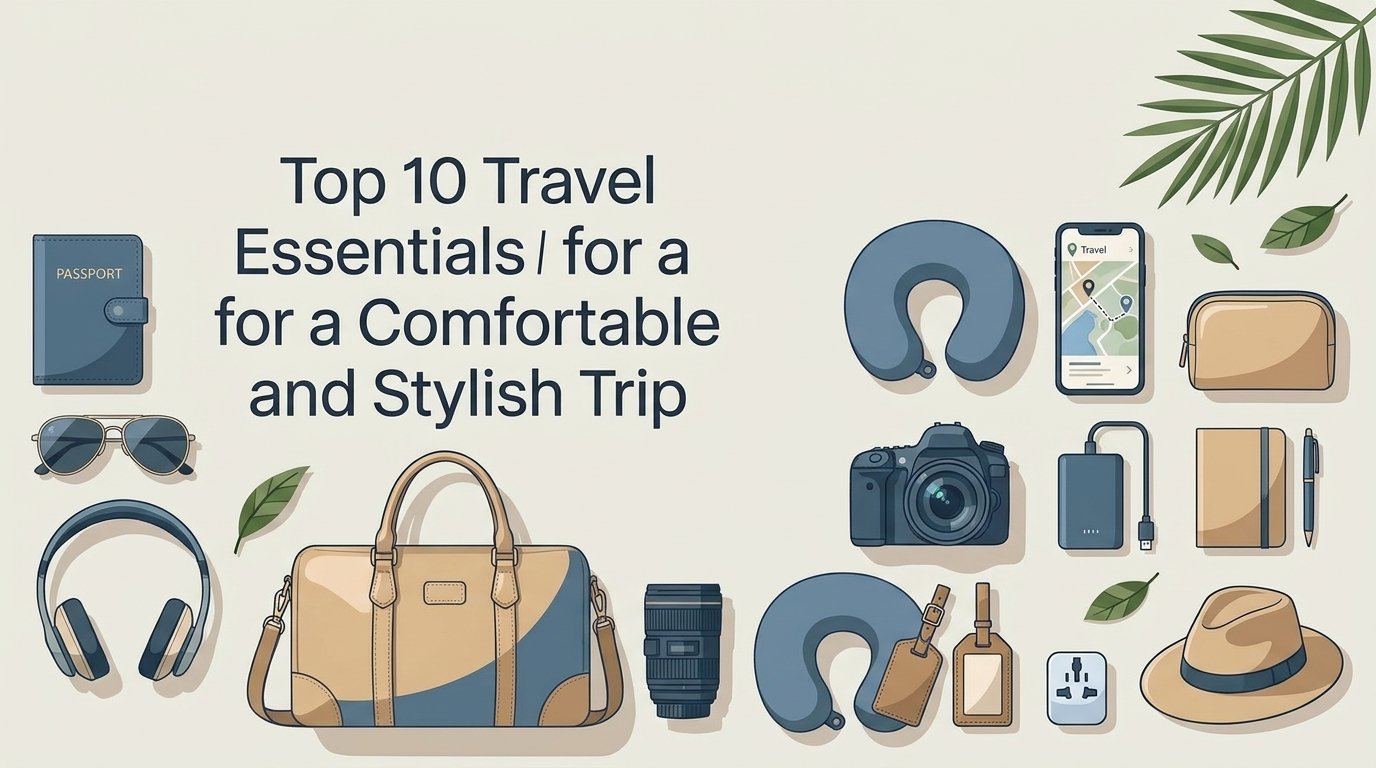
In this guide, we will explore the top 10 travel essentials for a comfortable and stylish trip, including must-have travel accessories, packing tips, and practical ideas for creating a smart travel checklist. Whether you are traveling alone or with family and friends, these essentials can help you prepare for a smoother and more enjoyable journey.
1. Stylish and Functional Travel Luggage
A reliable suitcase or travel bag is one of the most important travel essentials. It keeps your belongings organized, protects your items during transportation, and makes it easier to move between airports, hotels, train stations, and other destinations.
When choosing travel luggage, consider the length of your trip, the type of transportation you will use, and the amount of clothing and equipment you need to carry. A compact carry-on bag may be sufficient for a short weekend trip, while a medium or large suitcase may be more suitable for a longer vacation.
Modern travel luggage comes in different styles, materials, sizes, and colors. Hard-shell suitcases can offer protection against everyday bumps, while soft-sided luggage may provide flexible storage and convenient exterior pockets. Four-wheel spinner suitcases can also make moving through busy airports easier.
For a stylish appearance, choose luggage with a simple design, neutral colors, or a distinctive shade that is easy to recognize. Black, beige, navy, and gray are versatile choices that can suit different travel styles. You can also add a colorful luggage tag or strap to identify your suitcase quickly.
Organization is just as important as appearance. Select luggage with separate compartments for clothing, shoes, toiletries, and accessories. Before purchasing a suitcase, check its weight, durability, wheel quality, and handle comfort.
If you are flying, review your airline’s current carry-on size, weight, and checked-baggage rules. Requirements can vary between airlines and ticket types.
Travel tip: Choose luggage that combines durability, easy handling, and practical storage rather than focusing only on appearance.
2. Comfortable and Versatile Travel Clothing
Clothing can influence how comfortable and confident you feel throughout your journey. The best travel outfits combine style, practicality, and comfort while allowing you to adapt to changing weather and different activities.
Start by checking the expected weather at your destination. Warm-weather trips may require breathable shirts, lightweight trousers, dresses, and comfortable shorts where appropriate. Cooler destinations may require sweaters, jackets, thermal layers, and weather-resistant outerwear.
Instead of packing a separate outfit for every activity, select versatile clothing pieces that can be mixed and matched. Neutral colors such as white, black, beige, navy, and gray make it easier to create multiple outfits with fewer items.
For example, a comfortable pair of jeans can work with a casual T-shirt during the day and a smart shirt in the evening. A lightweight jacket can add style while providing warmth in air-conditioned spaces or cooler weather.
Layering is especially useful when traveling between locations with different temperatures. A T-shirt, cardigan, and lightweight jacket can provide flexibility without requiring too much luggage space.
Choose breathable fabrics and clothing that allows you to move comfortably. Stretchable trousers, relaxed-fit shirts, and soft layers can be helpful during long journeys. If you expect rain or outdoor activities, pack clothing suited to those conditions.
It is also useful to keep one change of clothing in your carry-on bag when traveling by air, especially on longer journeys.
Travel tip: Build a small travel capsule wardrobe with versatile pieces that are comfortable, easy to combine, and suitable for your destination.
3. Comfortable Walking Shoes
Comfortable footwear is essential for a successful trip, especially if you plan to explore cities, visit tourist attractions, walk through museums, or spend long hours outdoors.
Uncomfortable shoes can make sightseeing tiring and may lead to blisters or foot discomfort. That is why choosing the right footwear should be a priority when preparing your travel packing list.
For most sightseeing trips, lightweight walking shoes or supportive sneakers are practical options. Look for shoes with comfortable cushioning, a suitable fit, and a sole that provides adequate grip for the surfaces you expect to encounter.
If your trip includes beaches, you may also want sandals or flip-flops. For hiking or outdoor adventures, select footwear specifically designed for the terrain and activity.
You do not necessarily need to pack several pairs of shoes. One comfortable pair for everyday walking and one additional pair for a different activity or occasion may be enough for many short trips.
Try to avoid wearing brand-new shoes for the first time during a vacation. Wear them before your trip to check their fit and identify any areas that cause rubbing.
You can also choose footwear that complements your travel outfits. Neutral-colored sneakers, simple sandals, and versatile flats can work with many clothing combinations.
Travel tip: Prioritize comfort and fit over appearance alone. The right shoes can make long sightseeing days much more enjoyable.
4. Portable Power Bank and Essential Tech Accessories
Technology plays an important role in modern travel. Smartphones help travelers navigate unfamiliar places, access booking information, take photographs, communicate with family, and manage digital tickets. However, heavy phone use can drain the battery quickly.
A portable power bank is therefore one of the most useful travel gadgets to carry. It allows you to recharge compatible devices when a wall outlet is unavailable, particularly during long journeys or full days of sightseeing.
Choose a power bank with a capacity that suits your devices and travel needs. Consider its size, weight, charging speed, and compatibility with your phone. A compact model may be convenient for everyday outings, while a higher-capacity option may be helpful for longer trips.
Remember to check airline rules for power banks and spare lithium batteries. They generally need to be carried in cabin baggage rather than checked baggage, but specific requirements and capacity limits should be confirmed with your airline.
Other useful tech accessories include a charging cable, wall adapter, headphones, and a suitable travel adapter for your destination. If you travel internationally, check which plug types and electrical standards are used at your destination.
You may also want to download maps, hotel details, tickets, and important travel documents for offline access before leaving.
Travel tip: Charge your devices and power bank before departure, keep essential cables together, and confirm the battery rules that apply to your journey.
5. Travel Toiletries and a Simple Skincare Kit
Personal care products are another important part of a comfortable travel experience. A small toiletry bag helps you maintain your hygiene routine while keeping your luggage organized.
Your travel toiletries may include a toothbrush, toothpaste, deodorant, shampoo, conditioner, body wash, moisturizer, and other personal care items you regularly use. Choose travel-sized containers when practical to reduce weight and save space.
If you have a skincare routine, focus on essential products rather than carrying every item in your bathroom cabinet. A gentle cleanser, moisturizer, and broad-spectrum sunscreen can be a practical starting point for many travelers. Adjust your products according to your skin type, climate, and destination.
Sunscreen is particularly useful for outdoor sightseeing, beach vacations, and destinations with strong sunlight. Follow the product instructions and reapply as directed.
Keep toiletries in a waterproof pouch or leak-resistant bag to protect clothing and electronics from spills. Place frequently used products somewhere that is easy to reach.
If you are flying, check your airport and airline’s rules for liquids, aerosols, gels, and creams in cabin baggage. Container-size limits and packing requirements can differ by location and route.
Pack any essential prescription medicines in their original packaging when possible, along with the necessary documentation. Check the destination’s rules for carrying medicines, particularly when traveling internationally.
Travel tip: Pack only the personal care products you genuinely need, and organize them in a dedicated toiletry bag to avoid spills and unnecessary clutter.
6. Reusable Water Bottle and Healthy Travel Snacks
Staying hydrated is important during travel, particularly when you spend hours walking, wait in airports, or visit destinations with hot weather.
A reusable water bottle is a practical travel accessory that can help you carry water throughout the day. Choose a bottle that is lightweight, durable, easy to clean, and resistant to leaks.
If you are flying, remember that airport security rules may restrict the amount of liquid you can bring through screening. An empty reusable bottle is often a convenient option because you may be able to refill it after security where drinking-water facilities are available. Check the rules for your departure airport.
Healthy snacks can also be useful during long journeys or when restaurants and shops are not easily accessible. Depending on your dietary needs, suitable options may include nuts, dried fruit, whole-grain crackers, or other shelf-stable foods.
Travel can disrupt regular meal times, so carrying a snack may help you avoid becoming excessively hungry while waiting for transportation or exploring a destination.
If you are traveling internationally, check customs and agricultural rules before bringing food into another country. Some fresh foods, seeds, meat products, and other items may be restricted.
Keep your bottle clean and avoid sharing it if doing so could increase the risk of spreading illness. If you have special dietary or medical requirements, plan food and hydration around your individual needs.
Travel tip: Carry a refillable water bottle and a small selection of suitable snacks to make busy travel days more convenient.
7. Travel Organizer and Packing Cubes
Keeping your belongings organized can make traveling much less stressful. Instead of searching through a suitcase every time you need something, use packing cubes and small organizers to separate different categories of items.
Packing cubes are lightweight fabric containers designed to organize clothing and accessories inside luggage. You can use separate cubes for shirts, trousers, underwear, sleepwear, and other items.
Some travelers prefer to organize clothing by outfit, making it easier to choose what to wear each day. Others separate clean clothing from laundry or keep activity-specific items together.
A small pouch can hold charging cables, earbuds, memory cards, and other electronic accessories. Another organizer can store travel documents, stationery, or personal essentials.
Packing cubes may also help you use your luggage space more efficiently. However, they do not necessarily reduce the actual volume of your belongings, so avoid using them as an excuse to overpack.
Before packing, prepare a checklist and place essential items together. This can help you remember important belongings and avoid carrying unnecessary products.
You can also leave a little space in your suitcase for souvenirs or items purchased during your trip.
Travel tip: Assign a purpose to each pouch or packing cube so you can find your belongings quickly without unpacking your entire suitcase.
8. Sunglasses, Hat, and Weather Protection
Weather protection is an important part of preparing for a comfortable trip. Depending on your destination, sunglasses, a hat, a lightweight umbrella, or a compact rain jacket may be essential.
Sunglasses can reduce glare and improve comfort in bright outdoor conditions. Choose sunglasses that offer appropriate ultraviolet protection, such as UV400 or a label indicating 100% UVA and UVB protection.
A hat can provide shade for your face and head, especially when you are exploring outdoor attractions or spending time at the beach. A breathable cap may be convenient for casual sightseeing, while a wide-brimmed hat can provide additional shade.
If rain is likely, pack a compact umbrella or lightweight waterproof jacket. These items can be useful when visiting destinations with unpredictable weather.
Your clothing and accessories should reflect the conditions you expect to encounter. A winter trip may require gloves, a warm scarf, and insulated outerwear, while a tropical destination may call for breathable fabrics and sun protection.
Weather forecasts can change, so check the expected conditions shortly before departure. For outdoor activities, follow local advice about heat, cold, storms, or other environmental risks.
Travel tip: Prepare for the weather rather than packing accessories simply because they look fashionable. Practical protection can help you enjoy your trip more comfortably.
9. Travel Documents, Wallet, and Important Information
Travel documents are among the most important items on any travel checklist. Forgetting a passport, identification document, ticket, or necessary visa can create serious problems, particularly when traveling internationally.
Before departure, confirm which documents you need for your destination and mode of transportation. Depending on your journey, these may include a passport, national identification card, visa, boarding pass, hotel reservation, travel insurance details, and transportation tickets.
Keep important documents secure and accessible. A travel wallet or document organizer can help you store identification, payment cards, receipts, and printed reservations together.
It is also sensible to maintain secure digital copies of essential documents. Store them in a protected account or device and make sure you can access them when necessary. Digital copies are useful for reference but may not replace the original documents required by authorities.
When traveling internationally, check passport validity requirements, visa conditions, entry rules, and any relevant transit requirements before leaving.
Avoid carrying more cash than you need. Consider using a combination of suitable payment methods and keeping backup funds separate from your everyday wallet.
Be cautious when using public Wi-Fi to access sensitive accounts. Use trusted networks when possible, keep your devices updated, and avoid sharing confidential information unnecessarily.
Travel tip: Prepare your documents in advance, verify all entry requirements, and keep essential information secure throughout your journey.
10. A Small Day Bag for Everyday Adventures
A comfortable day bag is one of the most practical travel essentials for sightseeing and daily activities. While your main suitcase remains at your accommodation, a small backpack, crossbody bag, or lightweight tote can carry the items you need during the day.
The right bag depends on your travel style and destination. A compact backpack may suit city tours and outdoor activities, while a crossbody bag can be convenient for carrying a phone, wallet, and other small essentials.
Look for a bag with comfortable straps, useful compartments, and secure closures. If you expect rain, a water-resistant material may help protect your belongings.
You can use your day bag to carry a water bottle, sunglasses, sunscreen, a power bank, a light jacket, tissues, and any other essentials appropriate for your activities.
Avoid packing unnecessary items that make the bag heavy. A lighter bag is generally easier to carry during long walks and crowded sightseeing trips.
Security should also be a priority. Keep valuables secure, remain aware of your surroundings, and use extra caution in crowded tourist areas. In places where pickpocketing is a concern, choose a bag with secure zippers and keep it in a position where you can monitor it.
For hiking or outdoor adventures, select a bag with suitable capacity, supportive straps, and features appropriate for the terrain.
Travel tip: Choose a lightweight day bag that matches your activities, carries your essentials, and complements your travel outfits.
Bonus Travel Packing Tips for a Comfortable and Stylish Trip
Selecting the right travel essentials is only part of preparing for a successful journey. How you pack and organize those items can be equally important.
First, create a packing list several days before departure. Divide it into categories such as clothing, toiletries, electronics, documents, and personal essentials. This makes it easier to identify missing items without packing at the last minute.
Second, check the weather and planned activities at your destination. A beach holiday requires different clothing and accessories from a mountain adventure or business trip.
Third, choose versatile items. Clothing that works for multiple occasions can reduce the number of outfits you need to pack. Similarly, a charger compatible with several devices can help minimize electronic accessories.
Fourth, consider the length of your trip. For a weekend getaway, you may only need a small bag and a few clothing combinations. For a longer holiday, plan laundry options and pack according to the facilities available.
Fifth, leave unnecessary items at home. Packing too much can make luggage difficult to manage and may lead to extra baggage charges.
Finally, check your reservations, transportation details, and travel documents before leaving. Allow enough time to reach the airport or station, and keep important items accessible.
The goal is not to pack everything you might possibly need. It is to bring the items that will make your particular trip easier, safer, and more enjoyable.
Frequently Asked Questions (FAQs)
1. What are the most important travel essentials?
The most important travel essentials usually include suitable luggage, comfortable clothing, walking shoes, travel documents, a phone charger or power bank, toiletries, a reusable water bottle, and a small day bag. Your exact needs depend on your destination, travel duration, weather, and planned activities.
2. How can I pack stylishly without overpacking?
Choose a small collection of versatile clothing pieces that can be combined into different outfits. Neutral colors, comfortable footwear, lightweight layers, and a few accessories can help you create multiple looks without filling your suitcase. Prepare a packing list and remove items you are unlikely to use.
3. What should I pack for a weekend trip?
For a weekend trip, consider packing two or three versatile outfits, comfortable shoes, sleepwear, basic toiletries, essential medicines, a phone charger, travel documents, and a small day bag. Adjust the list according to the weather and activities you have planned.
4. Which travel accessories are best for long journeys?
Useful accessories for long journeys include a comfortable neck pillow if needed, headphones, a power bank, a refillable water bottle, tissues, hand sanitizer, an eye mask, and comfortable layers. Choose items that address your personal needs without making your carry-on unnecessarily heavy.
5. How do I keep my luggage organized while traveling?
Use packing cubes, toiletry pouches, and small organizers to separate clothing, personal care products, and electronic accessories. Keep travel documents and essential items in an accessible location. A simple packing checklist can also help you remember where you placed important belongings.
6. How can I stay comfortable while traveling?
Wear comfortable clothing and suitable shoes, drink water regularly, take movement breaks when possible, and plan enough time between activities. Getting adequate rest and avoiding an overloaded schedule can also make your journey more enjoyable.
7. What travel essentials should I keep in my carry-on bag?
Depending on your trip, useful carry-on items include travel documents, medication, a phone, a charging cable, a power bank that meets airline rules, valuables, basic toiletries, and a change of clothing. Always check the airline’s baggage and security requirements before packing.
Leave a Reply