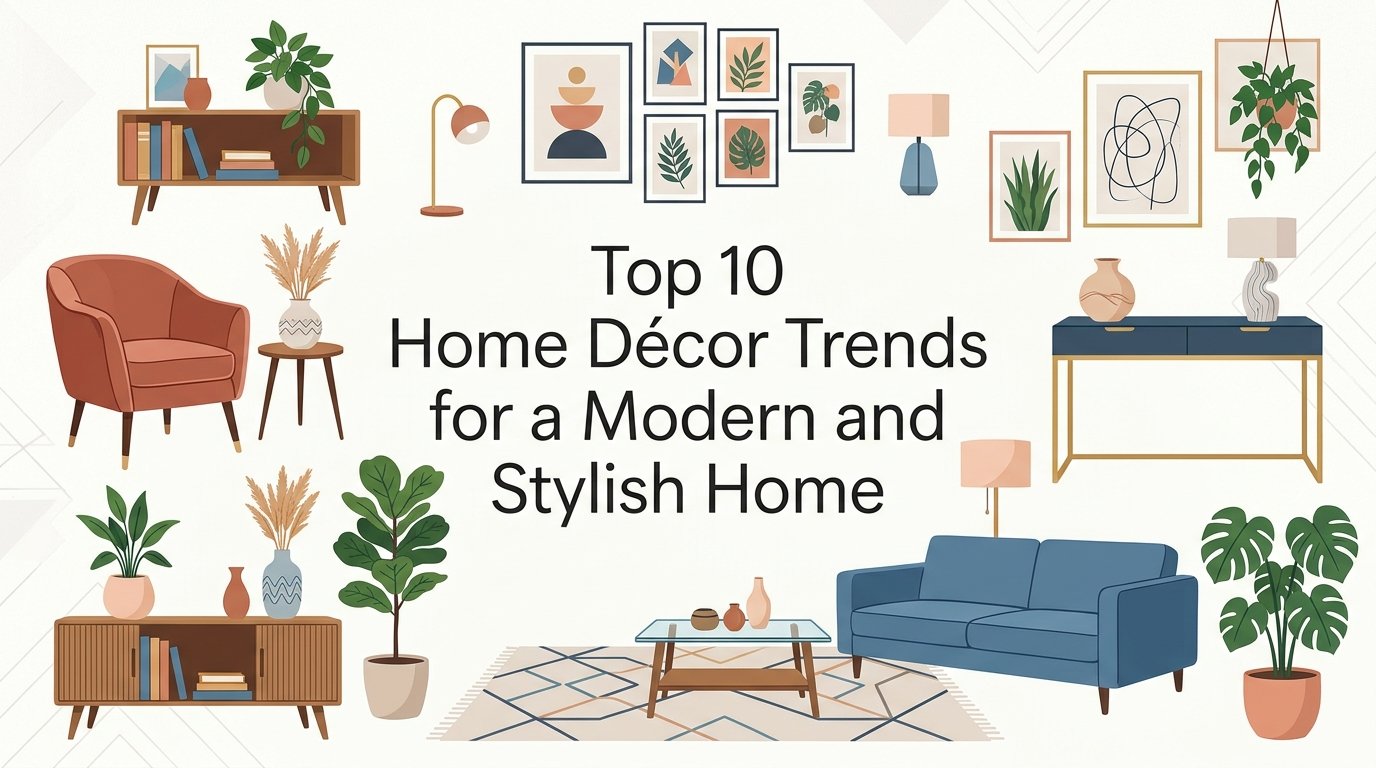
Introduction
Your home is more than just a place to live. It is a personal space where you relax, spend time with family, welcome guests, and express your individual style. A thoughtfully decorated home can feel more comfortable, organized, and visually appealing. Whether you live in a small apartment or a spacious house, the right home décor ideas can transform your surroundings without requiring a complete renovation.
In 2026, modern home décor focuses on creating spaces that combine beauty, comfort, functionality, and personal expression. Many homeowners are choosing natural materials, calming colors, multifunctional furniture, indoor plants, and warm lighting to create welcoming interiors. Instead of following every passing trend, people are increasingly interested in designs that feel timeless and suit their everyday needs.
The good news is that you do not need a large budget to create a stylish home. Small changes, such as updating cushions, rearranging furniture, adding decorative lighting, or introducing greenery, can make a noticeable difference. Understanding the latest home décor trends can help you choose improvements that suit your space and budget.
In this guide, UrbanTrends explores ten modern home décor trends that can help you create an attractive, practical, and comfortable living environment.
1. Minimalist Home Décor for a Clean and Peaceful Space
Minimalist home décor remains a popular choice for people who appreciate clean lines, simple furniture, and uncluttered surroundings. This design approach focuses on keeping the items that serve a purpose or contribute meaningfully to the appearance of a room.
A minimalist home does not need to feel empty or boring. Instead, it uses a carefully selected combination of furniture, colors, textures, and accessories. A simple sofa, a functional coffee table, a comfortable rug, and a few decorative pieces can create a balanced living room without overwhelming the space.
Neutral colors such as white, beige, gray, and soft brown are commonly used in minimalist interiors. These shades can make rooms feel visually calm and provide a flexible background for furniture and accessories. You can introduce color through cushions, artwork, flowers, or a statement chair.
Organization is an important part of minimalist design. Storage baskets, cabinets, shelves, and furniture with hidden storage can help keep everyday items out of sight. Removing unnecessary clutter also makes it easier to clean and maintain your home.
To follow this home décor trend, start by evaluating your existing furniture and decorations. Keep useful and meaningful items, rearrange what you already own, and avoid buying accessories simply to fill empty spaces. The result can be a modern, organized, and relaxing environment.
2. Natural Materials and Earthy Textures
Natural materials are an excellent way to make a modern home feel warm and welcoming. Wood, cotton, linen, bamboo, jute, stone, and rattan introduce different textures that can make a room more visually interesting.
Wooden furniture is especially versatile. A wooden coffee table, dining table, bed frame, or shelving unit can complement both contemporary and traditional interiors. Lighter wood tones may create a fresh, airy appearance, while darker finishes can provide a more dramatic and sophisticated effect.
Natural fabrics can also improve the comfort of a room. Cotton cushions, linen curtains, woven rugs, and textured throws add softness without making the space look overly decorative. These materials can work well in bedrooms, living rooms, and reading corners.
Earthy colors, including terracotta, olive green, sand, cream, and warm brown, pair naturally with these materials. You can combine different textures to create depth while keeping the overall color palette coordinated.
You do not need to replace all your furniture to adopt this trend. Add a woven basket, a wooden tray, a textured cushion, or a natural-fiber rug to introduce warmth gradually. When buying natural materials, consider durability, maintenance, and suitability for your climate and household.
Natural-inspired home décor offers a practical way to create a comfortable interior that feels connected to the outdoors.
3. Warm and Neutral Color Palettes
Color has a powerful influence on how a room looks and feels. Choosing a coordinated color palette can help create a stylish home while making separate spaces feel connected.
Warm neutrals such as cream, beige, taupe, warm gray, and soft brown are useful choices for modern interiors. They provide a flexible background for different furniture styles and decorative accessories. These shades can also work well in smaller rooms when combined with suitable lighting and an uncluttered layout.
However, a neutral home does not need to use only one color. You can introduce accent shades such as deep green, navy blue, muted pink, rust, or mustard through cushions, artwork, rugs, and decorative objects.
For example, a beige living room can feel more distinctive with olive-green cushions and wooden furniture. A bedroom with white walls can feel warmer when you add cream bedding, brown accents, and soft bedside lighting.
Before painting an entire room, test a small sample on the wall and observe it at different times of the day. Natural and artificial lighting can change how colors appear. Consider the colors of your existing furniture and flooring before selecting a new shade.
A balanced palette is one of the easiest ways to improve home interior design. Choose a few complementary colors and repeat them throughout the room to create a consistent, polished appearance.
4. Indoor Plants and Nature-Inspired Decoration
Indoor plants are a popular home décor choice because they introduce natural color, shape, and texture. They can make a room feel more lively and provide a simple decorative feature without requiring expensive furniture or artwork.
There are many ways to display plants at home. Place a suitable plant near a bright window, use a decorative pot on a side table, or arrange several small plants on a shelf. Larger plants can work as focal points in spacious living rooms, while compact plants may suit desks, kitchen counters, and smaller apartments.
Choose plants according to the light, temperature, and humidity conditions in your home. Some varieties tolerate lower light better than others, while certain plants need bright indirect light and regular care. Research the needs of each plant before purchasing it.
If you have pets or young children, check whether a plant is toxic before bringing it into your home. You should also consider watering requirements and whether you have enough time to maintain the plants properly.
For people who prefer low-maintenance decoration, artificial plants can provide a similar visual effect without watering. High-quality artificial greenery can be useful in areas where natural plants would struggle to grow.
Nature-inspired décor can extend beyond plants. Floral artwork, botanical prints, wooden accessories, and nature-inspired patterns can create a similar atmosphere.
With thoughtful placement and suitable care, greenery can become an attractive part of your modern home décor.
5. Smart Lighting for Comfort and Style
Lighting is one of the most important elements of interior design. It affects how colors appear, highlights decorative features, and influences the atmosphere of a room. Good lighting combines practical visibility with visual comfort.
Modern home décor often uses multiple layers of lighting instead of relying on a single ceiling light. Ambient lighting provides general illumination, task lighting supports activities such as reading or cooking, and accent lighting highlights artwork, shelves, or architectural details.
Pendant lights can create a focal point above a dining table, while table lamps can make a bedroom or living room feel more comfortable. Wall lights and floor lamps can add interest without taking up much table space.
Warm-white lighting is often suitable for relaxing areas such as bedrooms and living rooms. Brighter, more neutral lighting may be useful in kitchens, workspaces, and other areas where visibility is important. The best choice depends on the room’s purpose and your personal preferences.
Smart bulbs and lighting systems can provide additional convenience. Depending on the product, they may allow you to adjust brightness, change color temperature, or control lights using a phone or voice assistant. You do not need an expensive smart-home setup to benefit from thoughtful lighting.
For an affordable upgrade, replace unsuitable bulbs, add a bedside lamp, or use a floor lamp to create a comfortable reading corner. Good lighting can make even simple furniture and decoration look more appealing.
6. Multifunctional Furniture for Modern Living
Multifunctional furniture is particularly useful for small homes, apartments, and rooms that need to serve several purposes. It combines practicality with space-saving design, helping homeowners make better use of the available area.
Examples include sofa beds, storage ottomans, extendable dining tables, folding desks, nesting tables, and beds with built-in drawers. These pieces can reduce clutter while providing additional functionality.
A storage ottoman, for instance, can serve as a footrest, an extra seat, and a place to keep blankets or other small items. A folding desk can create a temporary workspace in a bedroom or living room without permanently occupying valuable floor space.
Before purchasing multifunctional furniture, measure your room carefully. Check the dimensions of the furniture when fully extended, opened, or converted into another configuration. Also consider comfort, durability, weight, and how often you will use each function.
Avoid filling a small room with too many furniture pieces, even if they offer storage. Leave enough space to move comfortably and access doors, windows, and cupboards.
If you are decorating on a budget, look for furniture you already own that can serve more than one purpose. A sturdy table may function as both a work desk and a dressing table, while a bookshelf can provide storage and display space.
Multifunctional furniture supports modern living by combining efficient space use with attractive interior design.
7. Statement Walls and Creative Artwork
A statement wall can add personality to a room without requiring a complete interior makeover. It is a wall designed to attract attention through color, wallpaper, artwork, decorative panels, or a carefully arranged collection of objects.
Painting one wall in a contrasting shade is one of the simplest options. Deep green, navy blue, terracotta, or another complementary color can create a focal point behind a bed or sofa. Before choosing a strong color, consider the room’s natural light and the colors of nearby furniture.
Artwork is another effective way to personalize a space. Large framed prints can work well above a sofa, while a gallery wall can display photographs, illustrations, or meaningful memories. Choose frames that complement one another and arrange the pieces with enough space to avoid a crowded appearance.
Wall shelves can combine decoration with practical storage. Display a few books, small plants, framed photographs, or decorative objects rather than filling every available space.
For a budget-friendly option, create your own artwork, print affordable designs, or rearrange existing pictures. Removable wallpaper may be useful for people who want a temporary change, but check the product’s suitability for your wall surface before installation.
The key is to keep the design balanced. A statement wall should enhance the room rather than compete with every other decorative feature.
8. Cozy Textiles for a Comfortable Home
A stylish home should also feel comfortable. Textiles such as rugs, curtains, cushions, blankets, and bedding help create warmth and softness while adding color and texture.
Cushions can quickly refresh a sofa or bed. Combine different sizes and textures while keeping a consistent color scheme. For example, plain cream cushions can be paired with a patterned cushion and a textured throw to create a coordinated appearance.
Rugs help define different areas of a room, particularly in open-plan spaces. A rug placed beneath a seating arrangement can visually connect a sofa, coffee table, and chairs. Choose a size that suits the furniture arrangement and allows enough space for comfortable movement.
Curtains influence both the appearance and functionality of a room. Lightweight curtains may allow more daylight into a space, while lined or thicker curtains can offer greater privacy and light control. Select a suitable length and fabric according to the room’s needs.
In bedrooms, comfortable bedding can make the space feel more inviting. Choose fabrics that feel pleasant against your skin and suit the temperature of your environment. Breathable materials may be especially useful in warmer climates.
You can refresh your home without buying all-new textiles. Change cushion covers, rotate throws between rooms, or wash and rearrange existing items. Small updates can make familiar spaces feel new again.
9. Vintage Accents and Personalized Décor
Modern interiors do not have to consist entirely of new furniture and matching accessories. Vintage items, handmade objects, family photographs, and meaningful souvenirs can make a home feel more personal and distinctive.
A vintage mirror, an old wooden cabinet, a decorative lamp, or a secondhand side table can introduce character into a contemporary room. Combining older pieces with modern furniture can create an interesting contrast, provided the overall arrangement feels balanced.
Personalized décor is also a way to make your home reflect your interests and experiences. Display books you enjoy, photographs of important memories, artwork you appreciate, or objects collected during your travels. These details can make a room feel unique rather than copied from a showroom.
Secondhand shopping can sometimes provide affordable furniture and decoration. Before purchasing used items, inspect them for structural damage, odors, pests, and
Leave a Reply