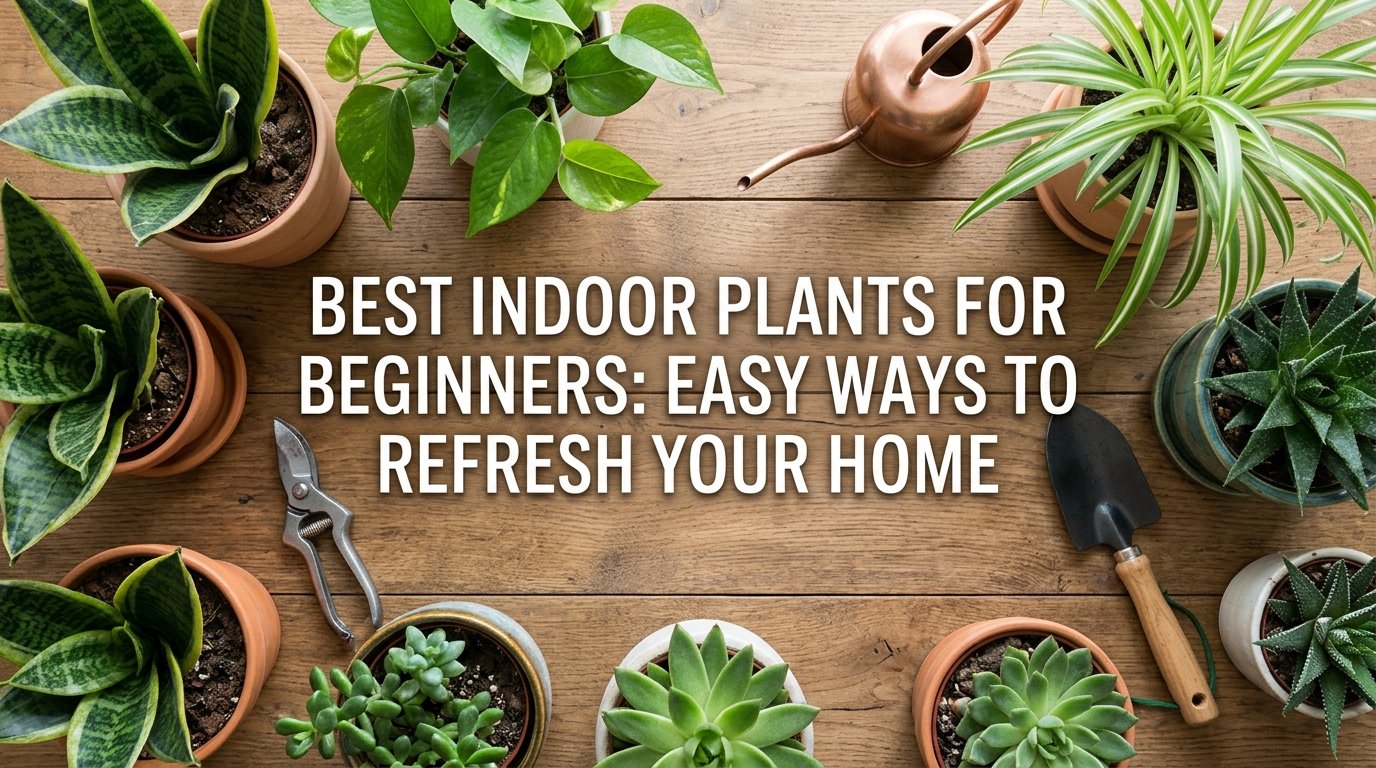
Indoor plants have become a popular choice for people who want to make their homes look more beautiful, comfortable, and inviting. Whether you live in a small apartment, a spacious house, or a rented room, adding greenery is one of the simplest ways to refresh your living space. Plants introduce natural colors, complement different interior design styles, and create an attractive connection with the outdoors. Fortunately, you do not need to be an experienced gardener to enjoy these benefits. Many of the best indoor plants for beginners require relatively little maintenance and can grow successfully with basic care.
If you are new to gardening, choosing the right houseplants can make your experience easier and more enjoyable. Some indoor plants tolerate occasional missed watering, while others adapt well to different indoor environments. However, every plant has its own requirements for light, water, humidity, and temperature. Understanding these needs before bringing a plant home can help you avoid common mistakes and keep your greenery looking healthy.
In this guide, you will discover the best indoor plants for beginners, learn how to choose suitable plants for your home, explore practical indoor plant care tips, and find creative ways to decorate your rooms with greenery. With a few thoughtful choices, you can build a beautiful indoor garden without making plant care feel complicated.
Why Add Indoor Plants to Your Home?
Indoor plants can transform an ordinary room into a more welcoming environment. Their green leaves create visual contrast against furniture, walls, curtains, and decorative accessories. A plant placed beside a sofa, on a windowsill, or near a desk can make the space feel more complete without requiring expensive furniture or major renovations.
Houseplants also offer an enjoyable hobby. Observing new leaves, adjusting plant placement, and learning how different species grow can make caring for your home feel rewarding. Looking after plants may encourage you to slow down, develop a routine, and pay more attention to your surroundings.
Some plants can contribute to indoor humidity through natural moisture release, although the effect depends on the number of plants and the room’s ventilation. Plants should not be treated as a replacement for proper ventilation, cleaning, or air filtration. Their most dependable benefits for many homeowners are their decorative appeal and the enjoyment of caring for living things.
Another advantage is flexibility. You can find compact plants for desks, hanging plants for shelves, tall plants for empty corners, and leafy varieties for bright windows. This makes indoor plants suitable for many budgets, room sizes, and home décor styles.
1. Snake Plant: A Great Choice for Beginners
The snake plant, commonly known as Dracaena trifasciata, is one of the most popular low-maintenance houseplants. It has upright, sword-shaped leaves with green patterns and sometimes yellow edges. Its architectural appearance works especially well in modern, minimalist, and contemporary interiors.
One reason beginners appreciate snake plants is that they tolerate relatively infrequent watering. Their thick leaves store moisture, so they generally prefer their soil to dry between waterings. Overwatering is a more common problem than underwatering, particularly when the plant sits in a pot without drainage.
Snake plants can adapt to a range of indoor light conditions, from moderate indirect light to brighter indirect light. However, growth may be slower in darker locations. For the healthiest growth, place yours where it receives suitable natural light without prolonged exposure to intense sunlight that could scorch its leaves.
Use a well-draining potting mix and a container with drainage holes. Check the soil before watering instead of following a rigid daily schedule. Snake plants are toxic to cats and dogs if chewed, so place them where curious pets cannot reach them.
2. Pothos: An Attractive Trailing Houseplant
Pothos, often called devil’s ivy, is an excellent option for anyone who likes cascading greenery. Its heart-shaped leaves grow along trailing stems, making it suitable for hanging baskets, tall shelves, and plant stands. Depending on the variety, its leaves may feature green, yellow, cream, or variegated patterns.
Pothos is generally easy to maintain because it adapts to many indoor environments. Bright, indirect light usually supports stronger growth and more noticeable leaf patterns, while lower light can slow its development. Variegated varieties may lose some of their distinctive coloring if the light is insufficient.
Allow the upper portion of the potting mix to dry before watering again. The exact timing depends on room temperature, light, pot size, and the type of soil used. Yellowing leaves and consistently wet soil may indicate overwatering, while drooping leaves and very dry soil can suggest that the plant needs water.
You can trim long stems to maintain the desired shape and encourage a fuller appearance. Pothos is toxic to pets if chewed, so keep it away from animals that may nibble on leaves or stems.
3. Spider Plant: A Friendly Option for New Plant Owners
Spider plants, scientifically known as Chlorophytum comosum, are recognized for their narrow, arching leaves. Many varieties have green leaves with white or cream stripes. Mature plants can produce small plantlets on long stems, giving them a lively appearance and making them suitable for hanging planters.
Spider plants usually grow well in bright, indirect light, although they can tolerate some moderate indoor conditions. Avoid placing them in harsh direct sunlight for long periods, particularly behind hot glass. A location near a bright window with filtered light is often a good starting point.
Water when the upper layer of soil begins to dry, and use a container that drains properly. Spider plants can develop brown leaf tips for several reasons, including mineral buildup from water, low humidity, or inconsistent watering. If this happens, review your care routine rather than assuming that the plant needs more water immediately.
Their graceful leaves make them ideal for bedrooms, living rooms, and home offices. Spider plants are generally considered non-toxic to cats and dogs, making them a useful option for many pet-owning households.
4. ZZ Plant: An Excellent Low-Maintenance Houseplant
The ZZ plant, or Zamioculcas zamiifolia, has thick stems and glossy, dark green leaflets. Its polished appearance makes it a natural fit for modern home décor, offices, entryways, and rooms where you want a simple decorative accent.
ZZ plants are well known for tolerating periods of dry soil because their underground rhizomes store water. They generally prefer the potting mix to dry substantially between waterings. Watering too frequently can cause root or rhizome rot, especially when drainage is poor.
Although ZZ plants can tolerate lower light, they generally grow more actively in moderate to bright indirect light. Very dark locations may keep a plant alive for a while but will not support strong growth indefinitely. Rotate the pot occasionally if the plant leans toward its light source.
Because the plant grows relatively slowly, you will not need to prune it frequently. Remove damaged leaves with clean tools and wipe dust from the foliage when necessary. ZZ plants are toxic if ingested, so keep them away from children and pets who may chew plant material.
5. Peace Lily: Elegant Green Leaves and White Flowers
The peace lily, from the genus Spathiphyllum, is admired for its deep green leaves and distinctive white flower-like structures called spathes. It can add a softer, elegant look to living rooms, bedrooms, and other indoor spaces.
Peace lilies often perform well in moderate to bright indirect light. They can tolerate lower light, but flowering may become less frequent. Keep the plant away from intense direct sunlight, which may damage its leaves.
Unlike drought-tolerant plants, peace lilies prefer more consistent moisture. Water when the top portion of the soil starts to dry, and do not allow the pot to remain in standing water. Drooping leaves can indicate that the plant needs water, but persistent wilting can also result from root problems, so check the soil before watering.
Peace lilies are beautiful but are not ideal for homes where pets or small children might chew them. They contain calcium oxalate crystals that can cause irritation if ingested. Choose a safer plant if you cannot keep it out of reach.
6. Aloe Vera: A Practical Succulent for Bright Spaces
Aloe vera is a succulent with thick, fleshy leaves that store water. Its simple shape looks attractive on sunny windowsills, kitchen shelves, and small plant stands. It is a good choice for beginners who have a bright indoor location and tend to water plants too often.
Aloe generally needs bright light and can benefit from several hours of suitable sunlight, provided it is introduced to stronger light gradually. A bright window is often a good location. If the leaves become unusually stretched or pale, the plant may need more light.
Use a cactus or succulent potting mix that drains quickly. Water thoroughly, then allow the soil to dry before watering again. Never let the plant sit in a saucer filled with water. A pot with drainage holes is particularly important for aloe because its roots can rot in continuously wet soil.
Aloe vera is often discussed in relation to skin care, but household plants should not automatically be used as homemade treatments. The latex layer inside the leaf can be harmful if swallowed, and products prepared from plants may be contaminated or unsuitable for certain uses. Aloe is also toxic to cats and dogs if ingested.
7. Jade Plant: A Compact Succulent for Sunny Windows
Jade plants, scientifically known as Crassula ovata, have rounded, fleshy leaves and sturdy stems. As they mature, they can develop a miniature tree-like appearance, making them attractive decorative plants for desks, side tables, and sunny windowsills.
Jade plants need plenty of bright light to remain compact and grow well. A bright window is usually preferable to a dim corner. If your room receives limited natural light, consider another plant better suited to those conditions.
Because jade plants store water in their leaves, they should not be watered every day. Allow the potting mix to dry before watering again. Use a free-draining succulent mix and a container with drainage holes to reduce the risk of root rot.
Avoid moving the plant suddenly from a low-light location into strong direct sunlight, as its leaves may develop sunburn. Jade plants are toxic to cats and dogs, so choose a safer alternative if your pets can access your plants.
8. Heartleaf Philodendron: A Beautiful Trailing Plant
The heartleaf philodendron is a classic indoor plant with smooth, heart-shaped green leaves and flexible trailing stems. It is particularly useful for decorating bookshelves, plant hangers, and empty corners where a cascading plant can soften the appearance of furniture.
This plant generally prefers bright, indirect light but can tolerate moderate light levels. Growth may slow in darker spaces, so a location with filtered daylight is usually a better choice for long-term health.
Allow the top layer of soil to dry slightly before watering. Avoid keeping the roots constantly wet, and make sure excess water can escape from the pot. If the stems become too long, trim them with clean scissors to maintain a balanced appearance.
The heartleaf philodendron is a good choice for people who enjoy leafy plants without needing a large floor area. However, it is toxic to pets and can irritate the mouth if chewed. Keep it out of reach of animals and children.
9. Rubber Plant: A Stylish Statement Houseplant
The rubber plant, Ficus elastica, has broad, glossy leaves that can create a strong visual feature in a living room or office. Its upright growth makes it suitable for empty corners, especially when you want a taller plant rather than a trailing variety.
Rubber plants generally prefer bright, indirect light. Some varieties can tolerate a little gentle direct sunlight after gradual adjustment, but harsh midday sunlight may scorch the leaves. Rotate the pot occasionally to encourage more even growth.
Water when the upper portion of the potting mix has dried. The plant does not like permanently waterlogged soil, so drainage is essential. Wipe its leaves with a soft, damp cloth to remove dust and help maintain their natural shine.
Rubber plants may grow larger than expected, so consider the available floor space before purchasing one. Their milky sap can irritate skin, and the plant is toxic to pets if ingested. Wear gloves when pruning if you have sensitive skin.
10. Chinese Evergreen: A Decorative Plant for Indoor Spaces
Chinese evergreen plants, from the genus Aglaonema, are popular for their attractive foliage. Depending on the variety, the leaves may combine green, silver, pink, or red patterns. This makes them useful when you want more color than a standard green houseplant provides.
Many Chinese evergreen varieties adapt to moderate indoor light. Bright, indirect light is often beneficial for colorful varieties, while intense direct sunlight can damage the foliage. Choose a spot that offers stable conditions rather than frequently moving the plant between different environments.
Water when the top layer of soil begins to dry, and avoid leaving the roots in standing water. The ideal watering frequency varies with the pot, soil, season, and indoor temperature. Check the soil instead of watering according to a fixed calendar.
Chinese evergreen plants can add color to a living room, bedroom, or office. They are toxic if chewed, so keep them away from pets and small children.
How to Choose the Best Indoor Plants for Your Home
Before buying a houseplant, consider the amount of natural light available in the room. A bright windowsill may be suitable for aloe vera or jade plants, while a location with moderate indirect light may work better for pothos, snake plants, or ZZ plants. Remember that tolerating low light does not mean a plant can grow well in complete darkness.
Next, consider how much time you can realistically spend on plant care. If you travel frequently or sometimes forget to water, a snake plant or ZZ plant may be a more practical starting point than a plant that prefers consistently moist soil. If you enjoy daily gardening tasks, you may prefer varieties that need more regular observation.
Think about the size of the mature plant as well. Small plants are ideal for desks and shelves, while larger rubber plants can fill empty corners. Trailing plants work well in hanging containers, but their stems need enough space to grow without being damaged.
Pet safety is another important consideration. Several popular houseplants, including pothos, philodendrons, snake plants, ZZ plants, peace lilies, and jade plants, can be harmful if chewed or swallowed. If you have pets, research the exact species and choose pet-safe varieties where possible. Place plants beyond reach only if you can reliably prevent access.
Finally, check your budget. You do not need to purchase an entire indoor garden at once. Begin with one or two affordable plants, learn their needs, and add more varieties when you feel confident.
Essential Indoor Plant Care Tips for Beginners
Understand Your Plant’s Watering Needs
Overwatering is one of the most common mistakes made by beginner plant owners. Different species require different watering routines, so there is no universal schedule that works for every houseplant. Factors such as pot size, soil composition, light, humidity, and temperature all influence how quickly the soil dries.
Before watering, check the soil with your finger or a suitable moisture meter. For many common foliage plants, the upper layer should dry somewhat before the next watering. Succulents usually need the soil to dry more thoroughly. When watering, moisten the root zone evenly and allow excess water to drain away.
Provide Appropriate Light
Light provides the energy plants need for growth. A room that looks bright to a person may still have relatively low light for a plant, particularly when the plant is several metres from a window. Observe how sunlight moves through your home and choose a position based on the plant’s specific needs.
Bright, indirect light is a useful starting point for many common houseplants. If a plant develops long, weak stems or loses its usual leaf pattern, it may need a brighter location. Brown or scorched patches can indicate excessive direct sunlight or another care issue.
Use Pots With Drainage Holes
A suitable pot is just as important as the plant itself. Containers without drainage holes can trap excess water, increasing the risk of root damage. If you prefer a decorative pot without holes, keep the plant in a separate nursery pot with drainage and remove it when watering so the water can drain properly.
Choose a pot that comfortably accommodates the roots without being excessively large. Oversized containers hold more soil and may remain wet for too long, especially when the plant is small.
Choose the Right Potting Mix
Indoor plants need a growing medium that provides both moisture and oxygen to the roots. General-purpose indoor potting mix works for many foliage plants, while succulents and cacti often need a faster-draining blend. Some plants may benefit from additional materials that improve airflow, depending on their species and growing conditions.
Avoid using dense garden soil for most indoor containers. It can compact easily and may not provide the drainage and aeration needed for healthy roots.
Clean Leaves and Check for Pests
Dust can collect on broad leaves, making plants look dull. Wipe foliage gently with a damp cloth when necessary, taking care not to damage delicate leaves. Avoid using harsh household cleaners or leaf-shine products unless they are specifically appropriate for the plant.
Inspect the undersides of leaves and the stems occasionally for pests such as spider mites, mealybugs, or scale insects. If you notice an infestation, isolate the affected plant and identify the pest before choosing a treatment.
Feed Plants Carefully
Many indoor plants benefit from fertilizer during active growth, but more fertilizer does not necessarily mean faster or healthier growth. Follow the instructions on a suitable houseplant fertilizer and avoid applying excessive amounts. Plants often grow more slowly during periods of reduced light or cooler temperatures, so their feeding needs may change throughout the year.
Creative Indoor Plant Decoration Ideas
Indoor plants can complement almost every room when their size and growing requirements are considered. In the living room, place a larger plant beside a sofa or in an unused corner. Smaller plants can be arranged on a coffee table or shelf, provided they receive enough light.
For a home office, choose a compact plant for your desk or place a trailing variety on a nearby shelf. Keep the workspace comfortable and make sure water cannot spill onto electronic equipment. A small plant can add a natural decorative element without taking up much room.
In bedrooms, consider plants that suit the available light and your care routine. Snake plants and ZZ plants are popular decorative options, although they still need appropriate light and watering. Avoid overcrowding a small room with plants that require conditions you cannot provide.
For small apartments, use vertical space. Wall-mounted planters, hanging baskets, and tiered plant stands can help you display several plants without using much floor area. Ensure that shelves and hooks are strong enough to support the containers, especially after watering.
You can also improve the visual effect by choosing pots that match your interior design. White, beige, terracotta, and neutral-colored containers work well in minimalist spaces, while colorful pots can complement playful or eclectic interiors. Mixing different leaf shapes and plant heights often creates a more natural display than arranging identical plants in a straight line.
Common Indoor Plant Mistakes to Avoid
One common mistake is watering plants too frequently. A fixed routine may not suit changing weather or indoor conditions, so always check the soil and the plant’s requirements. Excess water can damage roots even when the leaves appear healthy at first.
Another mistake is assuming every houseplant needs direct sunlight. Some plants prefer filtered light and may develop scorched leaves when placed beside a hot, sunny window. On the other hand, a plant kept in a dark corner may gradually become weak. Choose a location that matches the species.
Beginners sometimes purchase plants based only on appearance. A beautiful plant may require more humidity, space, or attention than you can provide. Research the plant before buying it and consider how its needs fit your home and lifestyle.
Repotting too often can also create unnecessary stress. Most plants do not need a larger container immediately after purchase. Repot when the roots have outgrown the existing pot, the growing medium has deteriorated, or another clear need arises.
Finally, avoid placing plants where pets or children can easily chew them if the species is toxic. Check the plant’s identity and toxicity information before bringing it home.
Building a Simple Indoor Garden on a Budget
You can start an indoor garden without spending a large amount of money. Begin with one or two beginner-friendly plants and learn their care requirements before buying additional varieties. Small plants are often more affordable and can grow into attractive displays over time.
Look for healthy foliage, firm stems, and soil that is not persistently waterlogged. Check the undersides of leaves for signs of pests before purchasing a plant. A healthy, smaller specimen is often a better choice than a large plant showing signs of stress.
Reuse suitable containers when possible, but make sure they have adequate drainage. You can place nursery pots inside decorative baskets or planters to achieve a polished appearance without purchasing expensive containers. Always protect wooden furniture from moisture and water stains.
Plant propagation can also help expand your collection. Some varieties of pothos and heartleaf philodendron can be propagated from suitable stem cuttings. Learn the correct method for the species you own, use clean tools, and be patient while new roots develop.
Frequently Asked Questions About Indoor Plants
What Is the Easiest Indoor Plant for Beginners?
Snake plants, ZZ plants, and pothos are commonly recommended for beginners because they are relatively adaptable and do not usually require complicated care. The best choice depends on the light available in your home, how often you can water, and whether you have pets.
Which Indoor Plants Need the Least Water?
Snake plants, ZZ plants, aloe vera, and jade plants generally tolerate longer intervals between waterings than many moisture-loving houseplants. Their soil should still be checked regularly, and succulents should be grown in suitable, well-draining mixes.
Which Indoor Plants Are Suitable for Low-Light Rooms?
Snake plants, ZZ plants, pothos, and some Chinese evergreen varieties can tolerate lower indoor light than many other plants. However, no common houseplant thrives in complete darkness. If a room has almost no natural light, consider providing an appropriate grow light.
How Often Should Indoor Plants Be Watered?
There is no single watering schedule for every indoor plant. Some may need water weekly or more often in warm, bright conditions, while others can go much longer between waterings. Check the soil, consider the species, and adjust your routine to the season and indoor environment.
Are Indoor Plants Safe for Pets?
Some indoor plants are considered pet-safe, but many popular varieties can cause irritation or illness if chewed or swallowed. Spider plants are generally considered non-toxic to cats and dogs, while pothos, peace lilies, snake plants, and ZZ plants are among the varieties that require caution. Confirm the exact species with a reliable veterinary or plant-safety resource.
Can Indoor Plants Grow Without Sunlight?
Plants need light for photosynthesis, but many indoor varieties can grow with indirect natural light rather than direct sun. In very dark rooms, a suitable grow light may be necessary. Artificial lighting should provide an appropriate intensity and duration for the plant species.
Conclusion: Refresh Your Home With Beginner-Friendly Indoor Plants
The best indoor plants for beginners make it easy to introduce natural beauty into your home without turning gardening into a difficult task. Snake plants, pothos, spider plants, ZZ plants, aloe vera, and other beginner-friendly varieties offer different shapes, colors, and care requirements, allowing you to find plants that match your space and lifestyle.
Start by assessing your home’s light, choosing containers with drainage, and learning how to water each plant correctly. Pay attention to the needs of your specific varieties, inspect them regularly, and make small adjustments when necessary. If you have pets or young children, always check plant safety before purchasing.
You do not need a large collection or an expensive interior makeover to enjoy indoor greenery. Even one healthy plant can brighten a shelf, soften an empty corner, or make a home office feel more inviting. With patience and basic indoor plant care, you can gradually create a fresh, comfortable, and stylish living space that reflects your personality.
Leave a Reply