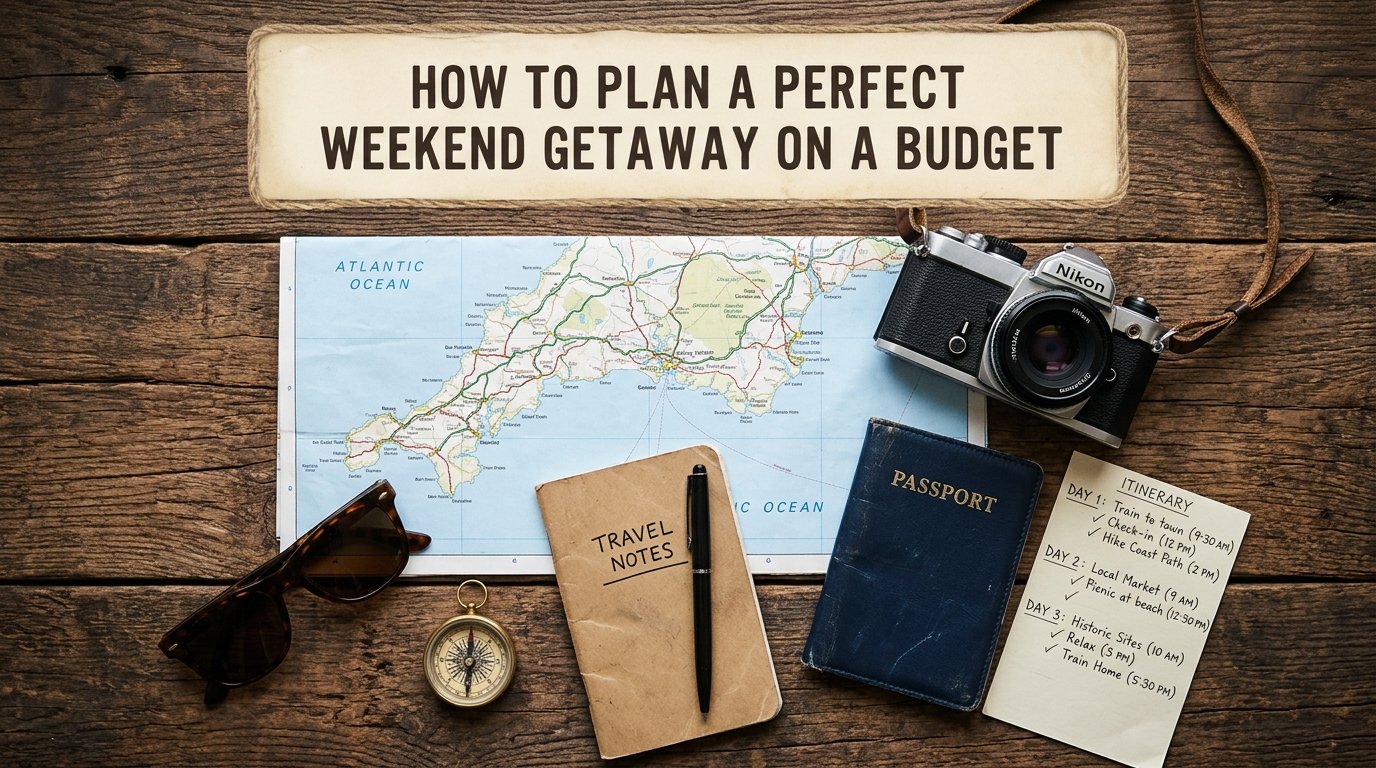
A weekend getaway is one of the easiest ways to take a break from your daily routine, explore somewhere new, and spend quality time with friends, family, or yourself. You do not need a long vacation or a large travel budget to enjoy a memorable experience. With a little planning, you can discover beautiful destinations, enjoy local activities, try new foods, and return home feeling refreshed without spending too much money.
Learning how to plan a perfect weekend getaway on a budget starts with making smart choices. Transportation, accommodation, meals, activities, and unexpected expenses can quickly increase the cost of a short trip. However, comparing prices, choosing a suitable destination, traveling during quieter periods, and planning your activities in advance can help you keep expenses under control.
Whether you prefer a peaceful countryside escape, a scenic mountain destination, a lively city break, or a relaxing stay near the beach, there are plenty of ways to enjoy affordable weekend travel. This guide explains how to organize a budget-friendly weekend trip, save money without sacrificing enjoyment, and make the most of your limited time away.
Why Plan a Weekend Getaway on a Budget?
A weekend getaway offers an opportunity to recharge without taking several days off work or spending money on an extended vacation. Since the trip lasts only a short time, it can be easier to manage your schedule and expenses. A carefully planned two- or three-day trip may provide the change of scenery you need while allowing you to return to your normal routine quickly.
Budget-friendly travel also encourages you to focus on experiences rather than expensive extras. Instead of paying for a luxury hotel or costly attractions, you might explore a local market, enjoy a scenic walk, visit a public garden, discover historical sites, or watch the sunset from a beautiful viewpoint.
Traveling on a budget does not mean avoiding comfort or enjoyment. It means deciding which experiences matter most and spending your money accordingly. By setting realistic expectations and planning ahead, you can create a weekend that feels special without putting pressure on your finances.
1. Set a Realistic Weekend Travel Budget
The first step in planning an affordable weekend getaway is deciding how much you can comfortably spend. Your budget should reflect your current financial situation rather than an ideal trip that requires borrowing money or using funds intended for essential expenses.
Start by estimating the total amount available for transportation, accommodation, food, activities, and miscellaneous costs. For example, if you have a total budget of $200, you might allocate $50 for transportation, $60 for accommodation, $45 for meals, $25 for activities, and $20 for unexpected expenses. These figures are only an illustration; actual costs depend on your destination, travel dates, and currency.
Once you establish your total budget, compare the expected cost of your preferred destination with the amount you can afford. If the trip appears too expensive, adjust the plan. You could choose a closer location, shorten your stay, travel with a companion to share eligible expenses, or replace costly activities with free alternatives.
Keep a small emergency reserve whenever possible. Unexpected transport changes, minor medical needs, or other unplanned expenses can occur during travel. Having money set aside can help you handle these situations without disrupting the rest of your trip.
2. Choose an Affordable Destination
Your destination has a major influence on the overall cost of a weekend getaway. A popular resort or distant tourist city may require expensive transportation and accommodation, while a nearby town, nature area, or smaller city could offer a similar sense of adventure at a lower price.
Begin by researching destinations within a reasonable travel distance from home. Consider nearby lakes, mountains, beaches, historical towns, countryside villages, national parks, and cultural attractions. A destination that takes only a few hours to reach can give you more time to enjoy the trip and reduce transportation expenses.
Look beyond famous tourist locations. Smaller destinations sometimes have affordable guesthouses, inexpensive local restaurants, and free outdoor attractions. Local tourism websites, travel blogs, maps, and recent visitor reviews can help you identify places worth exploring.
Think about the type of experience you want. If your goal is relaxation, a quiet town or nature retreat may be ideal. If you enjoy culture, look for museums, historic neighborhoods, and local events. If you prefer outdoor activities, research walking trails, public beaches, viewpoints, and parks.
Before making a final decision, calculate the complete cost of reaching and staying at the destination. A cheap hotel in a distant location may not be economical once transportation is included. The best destination is one that fits both your interests and your total budget.
3. Travel During Off-Peak Times
Travel dates can significantly affect accommodation, transport, and activity prices. Popular weekends, public holidays, school breaks, and major events may lead to higher demand and limited availability.
If your schedule allows, consider traveling during quieter periods. Leaving early on Saturday and returning on Sunday evening may work for some destinations, while a Friday evening departure could provide additional time if transport and accommodation costs remain reasonable.
You can also compare different weekends before booking. Check prices for nearby dates, but calculate the complete cost rather than choosing dates based on one low advertised rate. Weather, local events, and transportation schedules can influence the experience as well.
For outdoor destinations, research seasonal conditions before traveling. A cheaper trip is not necessarily a good value if heavy rain, extreme temperatures, or inaccessible roads prevent you from enjoying the activities you planned.
If you must travel during a busy period, book essential arrangements early when practical. Compare cancellation policies and avoid paying for non-refundable services unless your plans are sufficiently certain.
4. Find Budget-Friendly Accommodation
Accommodation can be one of the largest expenses during a weekend getaway. Fortunately, you have several options beyond expensive hotels. Depending on your destination, affordable guesthouses, hostels, simple motels, homestays, camping sites, and short-term rentals may provide suitable places to stay.
Compare the total price of each option. Some listings charge extra for cleaning, service, parking, or additional guests. A room with a slightly higher advertised price may ultimately be cheaper if it includes breakfast, parking, or a useful kitchen.
Location matters too. Staying far outside a destination may reduce the room rate but increase transportation costs. Look for accommodation near the places you intend to visit or close to reliable public transport.
Read recent reviews before booking. Pay attention to cleanliness, safety, noise, accessibility, check-in procedures, and whether the accommodation matches its description. Choose a property with clear booking terms and reliable contact information.
If you are traveling with friends or family, sharing a suitable room may reduce the cost per person. However, confirm the property’s occupancy rules and make sure everyone has enough space to sleep comfortably.
For a very short trip, you may not need luxury amenities. A clean, safe room with a comfortable bed and convenient location can be enough. Spending less on accommodation may leave more money for activities and meals that make the trip memorable.
5. Save Money on Transportation
Transportation expenses can make an otherwise affordable trip expensive. Before choosing a destination, compare the cost of driving, public transport, buses, trains, or other available services.
Public transportation can be economical, particularly when traveling alone or visiting a city with a reliable transit system. Check routes, departure times, ticket conditions, and the distance between stations and your accommodation before booking.
If driving, estimate fuel costs and consider tolls, parking fees, and vehicle condition. Sharing a car with trusted travel companions can reduce individual expenses, provided everyone agrees on the arrangements and costs in advance.
Booking tickets early may help you find better prices on some routes. However, compare refund and change policies before purchasing. A cheap ticket that cannot be changed may become costly if your plans change.
Try to avoid unnecessary journeys once you arrive. Organize your itinerary around nearby attractions so that you can explore one area at a time. Walking between nearby locations can save money while allowing you to discover streets, cafés, and local attractions you might otherwise miss.
Always prioritize safe and reliable transportation. Avoid unlicensed operators or arrangements that seem suspicious simply because they offer a lower price.
6. Create a Simple Weekend Itinerary
A basic itinerary helps you use your time wisely and avoid unnecessary spending. You do not need to plan every minute, but deciding what you want to see each day makes it easier to estimate costs and organize transportation.
Start by choosing two or three priority experiences. These could include visiting a landmark, walking through a scenic area, exploring a local market, or trying a well-known regional dish. Build the rest of your schedule around these activities.
For a two-day trip, Saturday could focus on arrival, sightseeing, and an inexpensive local dinner. Sunday might include a morning walk, a museum or market visit, lunch, and a return journey. Adjust the schedule according to travel time, opening hours, and your preferred pace.
Leave room for unexpected discoveries. A completely packed itinerary can make a short vacation tiring, particularly when you have to rush between locations. A flexible schedule allows you to spend more time at places you enjoy.
Check opening times and ticket requirements before departure. Some attractions require advance reservations, while others offer free admission on particular days. Verify the details using official sources whenever possible so that you do not waste money traveling to a closed or unavailable attraction.
7. Look for Free and Low-Cost Activities
One of the best budget travel tips is to include activities that cost little or nothing. Many destinations offer beautiful public spaces, historic streets, walking routes, beaches, gardens, and local neighborhoods that are enjoyable without expensive admission fees.
Nature-based activities can be particularly affordable. Depending on the destination, you could enjoy a scenic walk, watch the sunrise, visit a public park, photograph landscapes, or spend time beside a lake. Check local rules, weather conditions, trail difficulty, and safety information before setting out.
Cultural exploration can also be inexpensive. Visit local markets, explore historic districts, attend free public events, or learn about the destination’s traditions through community activities. Some museums and galleries provide discounted entry on selected days.
If you enjoy photography, a weekend getaway can become an opportunity to document your experience. Create a photo walk, capture local architecture, or take pictures of landscapes and street scenes while respecting people’s privacy and local photography rules.
Do not assume every advertised activity is worth its price. Read recent reviews, compare alternatives, and choose experiences that genuinely interest you. Paying for one memorable activity can be better than spending money on several attractions that add little value to your trip.
8. Plan Affordable Meals and Snacks
Food is another important part of a weekend travel budget. Eating at restaurants for every meal can quickly increase your expenses, particularly in popular tourist areas.
Before departure, check whether your accommodation includes breakfast or has access to a kitchen. If permitted, bringing simple snacks and reusable water bottles can help reduce unnecessary purchases. Choose foods that are safe to transport and store, especially during warm weather.
Explore local cafés, casual restaurants, food markets, and neighborhood eateries. These places may offer better value than restaurants in heavily visited tourist areas. Check menus and prices before ordering, and be aware of any service charges or taxes that may apply.
You do not have to avoid restaurants entirely. Choose one meal as a special experience and keep the remaining meals simple. Trying a local specialty can be an enjoyable part of the trip without requiring expensive dining every day.
If you have allergies, dietary restrictions, or specific food requirements, research suitable options in advance. Keep essential snacks available when traveling between locations, and prioritize food safety rather than choosing a meal solely because it is inexpensive.
9. Pack Smartly to Avoid Extra Expenses
Packing efficiently can save money and make your trip more comfortable. Before leaving, check the weather forecast and prepare clothing suitable for the destination and planned activities.
For a typical weekend trip, useful items may include comfortable walking shoes, versatile clothing, sleepwear, toiletries, a phone charger, identification, booking confirmations, and any personal essentials. Add rain protection, sunscreen, or warmer layers when conditions require them.
Try to create outfits that can be combined in different ways. This reduces the amount of clothing you need and makes packing easier. A small bag may be sufficient for a short trip, depending on the destination and transport requirements.
Check baggage limits before traveling, particularly if you are using a budget airline or a service with strict luggage rules. Additional baggage fees can reduce the savings from a cheap ticket.
Avoid buying travel accessories you are unlikely to use. Reusable items already available at home, such as a water bottle or basic toiletry containers, may be perfectly suitable. The goal is to pack what you need rather than purchase a new product for every journey.
10. Use Travel Deals and Discounts Carefully
Travel discounts can make a weekend getaway more affordable, but it is important to compare the full price before booking. Look for legitimate transport offers, accommodation promotions, attraction passes, and discounts available through official providers.
Some destinations offer combined tickets for museums or public transportation. These can provide savings if you plan to use the included services frequently. However, buying a pass for activities you do not intend to visit may cost more than purchasing individual tickets.
Compare prices across reputable booking platforms and check the provider’s own website. Review cancellation terms, payment requirements, taxes, and any additional charges. A large discount advertised on an unfamiliar website should be treated cautiously.
Set price alerts where available and book when the total price fits your budget. Avoid allowing a countdown timer or limited-time promotion to pressure you into a purchase you have not researched.
Be careful with offers that require unusual payment methods, request unnecessary personal information, or lack clear contact details. Saving money is useful only when the booking is legitimate and the service meets your needs.
11. Travel With Friends to Share Costs
Traveling with friends or family can make a weekend getaway more enjoyable and may reduce certain expenses. Shared accommodation, fuel, parking, and group transport can cost less per person than arranging everything individually.
Before leaving, discuss the total budget with everyone. Agree on accommodation standards, meal preferences, transportation, and activities so that nobody feels pressured to spend more than they can afford.
Create a simple shared expense record to track group costs. Decide how you will divide shared expenses, including whether everyone pays equally or contributes according to actual usage. Clear communication can prevent misunderstandings later.
Choose companions whose travel preferences are reasonably compatible with yours. If one person wants expensive restaurants and another prefers free activities, discuss these differences before booking.
You can still enjoy a budget-friendly getaway alone. Solo travelers may have fewer shared costs, but they can save by choosing compact accommodation, using public transport, and planning activities close together. The best travel arrangement is the one that fits your budget, comfort, and personal preferences.
12. Keep an Emergency Fund for Unexpected Costs
Even a well-planned trip can involve unexpected expenses. Transportation delays, weather changes, minor health needs, or an unplanned overnight stay may affect your budget.
Whenever possible, keep a small reserve separate from your spending money. The appropriate amount depends on the destination, transportation arrangements, and your personal circumstances. If your budget is extremely limited, consider shortening the trip or choosing a closer destination rather than traveling without enough money for basic emergencies.
Save important booking details and emergency contacts somewhere accessible. Keep identification, payment cards, and cash secure, and consider carrying a backup payment method if available.
Check your mobile phone arrangements before leaving, especially if you are traveling internationally. Unexpected roaming charges or unreliable access to booking information can create avoidable problems.
For outdoor or remote destinations, research local emergency services, road conditions, and communication coverage. Do not compromise essential safety equipment or reliable transportation to reduce costs.
13. Consider a Staycation or Nearby Escape
If even a short trip feels expensive, a staycation can provide a refreshing alternative. You can explore attractions in your own city, visit a nearby town, book one affordable night away, or spend a day enjoying places you usually overlook.
A local getaway reduces travel time and may eliminate accommodation costs entirely. Plan a themed day around cafés, public gardens, museums, walking routes, local food, or photography. You could also create a relaxing weekend at home with a special meal, outdoor activity, and a break from routine tasks.
Another option is a day trip to a nearby natural or cultural attraction. Calculate transportation and meal costs in advance, and leave early enough to enjoy the destination without rushing.
A staycation is not a lesser version of travel. It can help you appreciate your surroundings, discover new places, and relax without spending money on a distant destination.
14. Sample Two-Day Budget Weekend Itinerary
A simple itinerary can help you visualize how to organize your trip. The following example can be adapted to a nearby town or city and does not depend on a specific destination.
Saturday morning: Leave early using your chosen transport. Have a simple breakfast before departure or choose an affordable option along the route. After arriving, check in if possible or leave your luggage in a secure location provided by your accommodation.
Saturday afternoon: Explore a public garden, historic district, local market, or another low-cost attraction. Enjoy a reasonably priced lunch and leave time to walk around the area rather than paying for several separate activities.
Saturday evening: Choose one enjoyable activity, such as watching the sunset from a public viewpoint or trying a local specialty for dinner. Return to your accommodation at a reasonable time and prepare for the next day.
Sunday morning: Have breakfast, pack your belongings, and visit a nearby attraction that fits your interests. If you enjoy nature, choose an appropriate walking route. If you prefer culture, explore a museum or historical site after confirming its opening hours.
Sunday afternoon: Eat lunch, collect your belongings, and begin your return journey with enough time to avoid unnecessary stress. Review your spending before traveling home so you can understand what worked well for your budget.
This itinerary can be made cheaper by choosing free attractions and accommodation close to public transportation. You can also adapt it for a day trip if staying overnight is too expensive.
15. Common Budget Travel Mistakes to Avoid
One frequent mistake is focusing only on the cheapest advertised price. A low-cost room far from attractions may require expensive taxis, while a discounted ticket may include restrictive conditions. Compare the complete cost before making a decision.
Another mistake is failing to plan the most important details. You do not need to schedule every minute, but you should confirm transportation, accommodation, essential bookings, and any attraction that requires advance entry.
Travelers may also underestimate small purchases. Snacks, drinks, parking, souvenirs, and convenience fees can add up throughout the weekend. Keep track of these expenses and decide in advance how much you want to spend on optional purchases.
Overpacking is another avoidable problem. Extra luggage may create fees and make moving between locations more difficult. Pack according to the weather, the activities planned, and the transport rules.
Finally, avoid comparing your trip with expensive vacations shown on social media. A successful getaway is not defined by luxury hotels or the number of places visited. Choose experiences that match your own interests and financial priorities.
Conclusion
Planning a perfect weekend getaway on a budget is possible when you focus on preparation, flexibility, and meaningful experiences. Start with a realistic spending limit, choose a destination that is affordable to reach, compare accommodation options, and organize a simple itinerary that balances activities with relaxation.
Use public transportation when practical, explore free attractions, plan meals thoughtfully, and pack only what you need. Look for legitimate discounts, share costs when traveling with others, and keep some money available for unexpected expenses.
Most importantly, remember that a memorable trip does not have to be expensive. A peaceful walk, an interesting local market, a beautiful landscape, or a new cultural experience can make a weekend special. With these budget travel tips, you can explore more confidently, protect your finances, and enjoy a refreshing break from everyday life.
Leave a Reply