Category: collections

  • Smart Small-Space Organization Ideas for a Clean and Clutter-Free Home

    Smart Small-Space Organization Ideas for a Clean and Clutter-Free Home

    Living in a small home does not mean you have to sacrifice comfort, style, or functionality. With the right small-space organization ideas, you can transform even the smallest apartment, bedroom, kitchen, or living room into a clean, attractive, and comfortable environment. Whether you live in a studio apartment, a small house, or a compact rented room, smart organization can help you make the most of every available inch.

    A clutter-free home can also make daily life easier. When everything has a designated place, you spend less time searching for belongings and more time enjoying your surroundings. Simple changes, such as using vertical storage, organizing drawers, choosing multifunctional furniture, and removing unnecessary items, can make a noticeable difference.

    In this guide, we will explore practical small-space organization ideas, affordable storage solutions, minimalist home organization tips, and creative ways to keep your home clean and clutter-free without spending a fortune.

    Why Small-Space Organization Matters

    Small spaces can quickly become crowded when belongings do not have designated storage areas. Clothes, kitchen equipment, books, electronic accessories, and decorative items can occupy valuable surfaces, making rooms feel smaller than they actually are.

    Effective home organization helps you use your available space more efficiently. Instead of adding more furniture or moving to a larger home, you can create additional usable space by organizing what you already own. For example, an under-bed storage box can hold seasonal clothing, while wall-mounted shelves can provide storage without taking up floor space.

    A well-organized home can also support a calmer daily routine. Clutter may make it more difficult to concentrate or relax, particularly when your bedroom or living area also serves as a workspace. Keeping essential items accessible and unnecessary belongings out of sight can create a more peaceful atmosphere.

    The goal is not to make your home look empty or remove everything you enjoy. Instead, the goal is to create a practical, attractive living space where every item has a purpose and a suitable place.

    1. Declutter Before Organizing

    One of the most effective small-space organization ideas is to declutter before purchasing storage products. Organizing unnecessary belongings can make your home look tidy temporarily, but it will not solve the problem if you continue to keep items you no longer use.

    Start with one small area, such as a bedside table, kitchen drawer, wardrobe shelf, or bathroom cabinet. Remove everything from that area and separate the items into four groups: keep, donate, recycle, and discard.

    Keep items that you regularly use, genuinely need, or truly value. Donate usable belongings that are no longer useful to you, and recycle suitable materials according to local guidelines. Dispose of damaged or unusable items responsibly.

    Avoid trying to organize your entire home in one day. Completing one small area at a time makes the process more manageable and helps you see immediate results.

    Once you have removed unnecessary belongings, arrange the remaining items according to their purpose. This creates a stronger foundation for long-term home organization.

    2. Make the Most of Vertical Space

    When floor space is limited, look upward. Walls, the backs of doors, and unused vertical areas can provide valuable storage opportunities.

    Install shelves above desks, beds, or work surfaces to store books, small storage boxes, decorative objects, and everyday essentials. Wall-mounted organizers can also hold stationery, accessories, and lightweight household items.

    In kitchens, vertical racks can organize spices, cooking tools, and frequently used utensils. In bathrooms, wall-mounted shelves can keep toiletries organized without overcrowding the sink.

    You can also use hooks to hang bags, jackets, hats, keys, and other frequently used belongings. Door-mounted organizers are particularly useful in bedrooms, bathrooms, and utility areas.

    Before installing shelves or hooks, check the wall type, weight limits, and appropriate mounting hardware. Renters may prefer removable hooks or freestanding shelving where permitted.

    Using vertical space keeps important belongings accessible while leaving more floor area available for movement.

    3. Choose Multifunctional Furniture

    Multifunctional furniture is especially useful for small apartments and compact bedrooms because it serves more than one purpose.

    A storage bed provides space for extra bedding, seasonal clothes, shoes, or luggage. An ottoman with a removable lid can function as seating, a footrest, and hidden storage. A coffee table with drawers or shelves can hold books, remotes, magazines, and other living-room essentials.

    If you work from home, consider a foldable desk or a wall-mounted work surface that can be closed when not in use. Extendable dining tables can provide extra room when guests visit and take up less space during everyday meals.

    When choosing furniture, pay attention to size, functionality, and ease of use. Large multifunctional pieces are not always the best option if they overwhelm a small room. Measure the available area before purchasing anything.

    The best furniture for a small home is practical, comfortable, and appropriately sized.

    4. Organize Your Bedroom for Better Space Utilization

    Bedrooms often become cluttered because they contain clothing, shoes, accessories, bedding, personal items, and sometimes work equipment.

    Start by organizing your wardrobe. Remove clothes you no longer wear and group the remaining items into categories such as shirts, trousers, dresses, everyday outfits, and seasonal clothing. You can further organize garments by color if that makes choosing outfits easier.

    Use slim hangers to save wardrobe space and shelf dividers to keep folded clothes in neat stacks. Small boxes can hold socks, belts, scarves, and accessories.

    The space beneath your bed is another useful storage area. Store seasonal clothing, spare bedding, and other infrequently used belongings in labeled containers. Choose containers that slide easily under the bed and protect their contents from dust.

    Keep your bedside table simple by storing only frequently used items, such as a lamp, book, phone charger, or water bottle. Use a small drawer organizer if necessary.

    A tidy bedroom feels more inviting and makes daily routines, including getting dressed and preparing for sleep, easier to manage.

    5. Use Smart Storage Solutions in the Kitchen

    Small kitchens require careful organization because countertops, cabinets, and drawers often have limited capacity.

    Begin by removing expired food, duplicate utensils, and kitchen equipment you rarely use. Keep everyday cooking tools within easy reach and store occasional-use appliances in less accessible cabinets.

    Use drawer dividers to separate cutlery, measuring spoons, kitchen tools, and small accessories. Clear containers can help organize dry ingredients such as rice, pasta, flour, and cereals. Label containers clearly and store food safely according to its requirements.

    Shelf risers can create additional levels inside cabinets, while stackable containers help use vertical space more efficiently. Hooks or suitable wall-mounted racks can hold frequently used utensils, provided they are installed safely and do not interfere with cooking.

    Keep the countertop as clear as possible. Instead of displaying every appliance, leave only the items you use regularly.

    A simple kitchen organization system makes meal preparation easier, improves visibility of ingredients, and helps reduce food waste.

    6. Create a Clutter-Free Living Room

    The living room often serves several purposes, including relaxing, entertaining guests, watching television, reading, and working. Without a clear organization system, these activities can quickly produce clutter.

    Use baskets or decorative storage boxes to collect remote controls, chargers, magazines, blankets, and small accessories. Choose storage containers that match your room’s style so they look intentional rather than messy.

    A television unit with cabinets can hide electronic accessories and cables. Floating shelves can display a few books, plants, and decorative pieces while keeping the floor clear.

    Consider furniture with built-in storage, such as a bench with a compartment or a coffee table with shelves. If you have limited seating, lightweight stools that can be tucked away when not needed can provide extra flexibility.

    Avoid filling every available surface with decorations. Select a few meaningful objects and arrange them thoughtfully.

    A clean living room does not have to be minimalist. It simply needs a practical balance between personal style and usable space.

    7. Use the Space Behind Doors

    The backs of doors are frequently overlooked when planning small-home storage.

    An over-the-door organizer can hold shoes, accessories, cleaning supplies, toiletries, or small household items, depending on its design and weight capacity. Hooks can be used for coats, towels, bags, and dressing gowns.

    In bedrooms, door organizers may help store scarves, belts, and lightweight accessories. In bathrooms, they can provide extra space for towels and toiletries. In utility areas, suitable organizers can hold cleaning cloths and other small supplies.

    Before choosing a door-mounted storage solution, check whether the door can close properly and whether the organizer is suitable for the door’s thickness and construction.

    Avoid placing heavy objects on products that are not designed to support their weight. Keep potentially hazardous cleaning products away from children and pets.

    This simple strategy can add useful storage without requiring additional floor space.

    8. Make Under-Bed Storage Work for You

    Under-bed storage is one of the easiest ways to organize a small bedroom without adding bulky furniture.

    Use shallow storage containers for seasonal clothing, extra blankets, spare pillows, travel accessories, and rarely used belongings. Containers with wheels or handles are particularly convenient because they can be moved without lifting the entire box.

    Label each container according to its contents. For example, one box may contain winter clothing while another holds spare bedding. Clear containers can also make it easier to identify items without opening every box.

    Do not store damp clothing, food, or moisture-sensitive items in unsuitable containers. Make sure everything is clean and dry before putting it away.

    If your bed sits low to the floor, measure the available clearance before purchasing storage boxes. A few properly sized containers are often more useful than several that do not fit.

    Under-bed storage works best when you reserve it for items that do not need to be accessed every day.

    9. Organize Small Bathrooms with Simple Storage Ideas

    Bathrooms can become cluttered quickly because they often have limited cabinets and counter space.

    Start by checking toiletries, cosmetics, skincare products, and cleaning supplies. Remove empty containers, expired products, and items you no longer use. Arrange the remaining belongings according to their purpose.

    Use drawer dividers to separate small accessories and baskets to group similar products. Wall-mounted shelves can provide additional storage for lightweight toiletries, while hooks can hold towels and robes.

    A narrow shelf or compact storage unit may fit beside the sink or toilet if there is enough room and the fixture remains accessible. Choose materials suitable for humid environments.

    Keep everyday products within reach and place occasional-use items in cabinets or labeled containers.

    Store medicines and cleaning products safely, following their labels and keeping them away from children. Do not place electrical appliances where they can come into contact with water.

    An organized bathroom feels cleaner and makes morning and evening routines more convenient.

    10. Use Clear Containers and Labels

    Storage containers help group belongings and make shelves, drawers, and cabinets easier to manage. Clear containers are especially useful because you can see their contents without opening them.

    Use small containers for stationery, cables, craft supplies, accessories, and other items that can easily become mixed together. Larger containers can hold toys, seasonal decorations, spare linens, or household supplies.

    Labels make storage systems even more effective. Write simple descriptions such as “winter accessories,” “charging cables,” “baking supplies,” or “extra towels.”

    Choose containers according to the items you need to store rather than buying a large matching set without a plan. Measure shelves and cabinets first to avoid wasting money on products that do not fit.

    For items that require protection from moisture or dust, choose suitable closed containers rather than open baskets.

    The purpose of storage products is to make belongings easier to locate and return to their proper places, not simply to hide clutter.

    11. Create an Organized Entryway

    A small entryway can become crowded with shoes, jackets, bags, keys, umbrellas, and mail. Creating a simple drop zone helps prevent these items from spreading throughout your home.

    Install a few hooks for frequently used jackets and bags. A compact shoe rack or narrow cabinet can keep footwear organized without blocking the walkway. A small tray can hold keys and other everyday essentials.

    If you do not have a separate entryway, dedicate a small section of a hallway or room to these items. A wall-mounted organizer may be sufficient in a particularly compact home.

    Place a small basket nearby for incoming mail, but review it regularly so paperwork does not accumulate.

    Keep pathways and exits clear, especially in homes with limited space. Avoid placing unstable storage furniture where it could obstruct movement.

    An organized entryway makes leaving home easier and helps maintain a tidy appearance throughout the day.

    12. Keep Cables and Electronic Accessories Organized

    Chargers, headphones, extension cords, and electronic accessories can create visual clutter, particularly around desks and television units.

    Use cable ties, reusable hook-and-loop straps, or suitable cable organizers to group wires neatly. Label chargers if several devices use similar cables. A small box or drawer organizer can hold spare charging accessories.

    Keep cables away from walking paths to reduce tripping risks. Do not overload power outlets or hide electrical equipment in containers that restrict ventilation. Use cable management products according to their instructions.

    For a home office, place frequently used devices close to the relevant power outlets and remove cables belonging to devices you no longer own.

    A well-organized electronic setup makes a desk look cleaner and helps you find the correct accessory when you need it.

    13. Adopt a Minimalist Approach to Home Décor

    Minimalist home organization does not mean your home must be plain or lack personality. It means choosing belongings and decorations intentionally.

    In a small room, too many colors, patterns, accessories, and oversized furniture can make the space feel visually crowded. A coordinated color palette and a few carefully chosen decorative objects can create a more balanced appearance.

    Use mirrors thoughtfully to reflect available light and create a sense of openness. Choose curtains that fit the windows properly and avoid blocking natural light unnecessarily. Furniture with visible legs can also make the floor appear less crowded.

    Display meaningful photographs, artwork, or souvenirs instead of placing every decorative item on shelves and tables.

    Plants can add natural texture, but choose varieties suitable for your lighting conditions and available space. If you have pets or young children, check plant safety before bringing new plants into your home.

    The aim is to create a home that feels personal, comfortable, and uncluttered.

    14. Organize Your Home Office in a Small Space

    A home office does not require an entire room. A compact desk, comfortable chair, suitable lighting, and an organized storage system can create a functional workspace in a bedroom or living area.

    Choose a desk that fits your available space and provides enough room for your essential equipment. Wall-mounted shelves or a small drawer unit can store documents, notebooks, stationery, and office supplies.

    Use digital files where appropriate to reduce unnecessary paper accumulation. For important physical documents, create clearly labeled folders and store them in a secure location.

    At the end of each workday, return stationery to its place, remove used cups, and prepare the desk for the next session. If your desk also serves another purpose, a storage tray or portable organizer can help you pack work materials away quickly.

    Keep your chair, desk, and equipment arranged to support a comfortable working position. A tidy workspace can make it easier to focus on tasks without distractions.

    15. Make Small Closets More Functional

    A small closet can store more than you might expect when its contents are arranged strategically.

    Begin by removing clothes that no longer fit, are damaged beyond use, or have not been worn for a long time. Be realistic about what you actually need and use.

    Group clothes by type and season. Place frequently worn items at eye level and move seasonal belongings to higher shelves or under-bed storage. Use shelf dividers to keep folded clothes from falling into one another.

    Hanging organizers can hold bags, sweaters, or accessories if they fit the available space. Slim hangers may increase hanging capacity, while matching hangers can make the closet easier to scan visually.

    Avoid packing clothes too tightly. Overcrowded hangers make garments harder to find and can cause wrinkles.

    A functional closet should allow you to see your options easily and return items without disturbing everything else.

    16. Create a Daily Five-Minute Decluttering Routine

    One of the best ways to maintain an organized home is to spend a few minutes tidying each day.

    Set aside five minutes in the morning or evening to return misplaced items to their designated locations. Put shoes away, clear the kitchen counter, fold a blanket, organize the desk, and collect objects that have accumulated on tables.

    You can focus on one room each day if that feels more manageable. For example, Monday can be for the bedroom, Tuesday for the kitchen, and Wednesday for the living room.

    Encourage everyone in the household to participate in keeping shared areas tidy. When belongings have clear homes, it becomes easier for everyone to return them after use.

    A short daily routine is often more sustainable than waiting until clutter becomes overwhelming and then spending several hours cleaning.

    Consistency is more important than perfection. Your home does not need to remain spotless every moment to be comfortable and organized.

    17. Use a Seasonal Organization System

    Some belongings are only needed during particular seasons. Winter coats, summer accessories, holiday decorations, and travel equipment can occupy valuable space when they are not in use.

    Review these items at the beginning or end of each season. Clean them according to their care instructions, allow them to dry completely, and store them in suitable labeled containers.

    Place frequently used seasonal items in accessible areas. Store belongings that will not be needed for several months on higher shelves or in other designated storage locations.

    A seasonal review is also an opportunity to identify items that are no longer useful. Donate suitable clothing and household goods instead of allowing them to remain unused indefinitely.

    Keep a simple inventory of important stored items if you have several boxes. This can help you find what you need without opening every container.

    Seasonal organization keeps your home flexible and prevents storage areas from becoming permanently overcrowded.

    18. Organize Your Home on a Budget

    You do not need expensive furniture or premium storage products to create an organized home. Many useful solutions are inexpensive or may already be available in your household.

    Reuse sturdy boxes to group items inside cabinets, provided they are clean and suitable for the environment. Repurpose jars for small supplies where appropriate, and use existing baskets to organize blankets, toys, or accessories.

    Before purchasing storage products, measure the available space and make a list of the problems you want to solve. This prevents impulse purchases and reduces the risk of buying items you do not need.

    Prioritize solutions that improve daily convenience. A small drawer organizer may be more valuable than a large decorative storage unit if your main problem is tangled accessories.

    Consider buying secondhand furniture in good condition when appropriate, and check dimensions before transporting it home.

    The most effective budget-friendly home organization strategy is to remove unnecessary belongings first, use existing space intelligently, and purchase only what genuinely improves functionality.

    19. Common Small-Space Organization Mistakes to Avoid

    Even well-intentioned organization efforts can create problems when the storage system does not match your lifestyle.

    One common mistake is buying too many containers. Storage boxes can help organize belongings, but they can also consume valuable space when they are unnecessary or poorly sized.

    Another mistake is keeping items without a clear reason. Storing unused belongings in attractive boxes does not eliminate clutter; it simply hides it.

    Overcrowding shelves and cabinets is also counterproductive. When items are difficult to remove, people may stop returning them to their designated places. Leave enough room to access belongings comfortably.

    Do not ignore safety when arranging furniture and storage. Keep exits clear, secure tall furniture when necessary, and avoid stacking heavy objects above areas where people sit or sleep.

    Finally, avoid choosing organization systems solely because they look attractive online. A solution should fit your room dimensions, budget, household needs, and daily habits.

    A successful system is one you can maintain without excessive effort.

    20. A Simple Weekly Home Organization Plan

    If your home feels overwhelming, a weekly plan can help you make steady progress without spending an entire weekend organizing.

    On Monday, focus on your bedroom and wardrobe. Return clothing to its proper place and clear bedside surfaces.

    On Tuesday, organize kitchen drawers, remove expired food, and wipe down countertops. On Wednesday, focus on the bathroom by sorting toiletries and organizing storage areas.

    On Thursday, tidy your living room and manage cables, remotes, books, and decorative objects. On Friday, organize your entryway, shoes, bags, and everyday accessories.

    Use Saturday to review a larger project, such as a closet, pantry, or home office. On Sunday, spend a few minutes preparing for the coming week and identifying any storage problems that still need attention.

    Adjust the schedule according to your home and available time. You can complete each task in 10 to 20 minutes or divide larger tasks into smaller sessions.

    The purpose of this plan is to create a repeatable routine rather than a strict schedule that becomes difficult to follow.

    Frequently Asked Questions

    What are the best small-space organization ideas?

    The best small-space organization ideas include decluttering regularly, using vertical storage, choosing multifunctional furniture, organizing under-bed areas, adding drawer dividers, and keeping frequently used items accessible. Start with the area that causes the most frustration and build a simple system around your daily routine.

    How can I organize a small home without spending money?

    Start by removing unused belongings and rearranging furniture you already own. Reuse suitable boxes and baskets, group similar items together, and make better use of existing shelves and cabinets. Purchase new storage products only when a specific need remains.

    How do I make a small room look bigger and cleaner?

    Keep walkways clear, reduce unnecessary visual clutter, use appropriately sized furniture, and avoid overcrowding surfaces. Natural light, mirrors, coordinated colors, and carefully selected decorations can also help a room feel more open.

    What furniture is best for small apartments?

    Multifunctional furniture is often useful in small apartments. Examples include storage beds, foldable desks, nesting tables, storage ottomans, and extendable dining tables. Choose pieces that fit your measurements and support your everyday needs.

    How often should I declutter my home?

    Small daily tidying sessions can prevent clutter from accumulating. Review individual storage areas every few weeks and consider a seasonal review for clothing, decorations, and infrequently used belongings. The ideal schedule depends on your household size and lifestyle.

    How can I keep my home organized with children or pets?

    Create accessible storage locations for everyday belongings, use sturdy baskets, and establish simple routines for returning items to their places. Secure tall furniture and keep cleaning products, medicines, small choking hazards, and dangerous cables out of reach. Choose pet-safe storage and check that plants and household products are appropriate for your animals.

    Is minimalist home organization necessary for a clutter-free home?

    No. Minimalism is one possible approach, but an organized home can contain colorful decorations, collections, books, and meaningful personal items. The important factor is whether your belongings have suitable storage and whether your home remains comfortable and functional.

    Conclusion

    Creating a clean and clutter-free home is possible even when you have limited space. The key is to organize strategically, use available areas efficiently, and choose storage solutions that support your everyday routine.

    Start by decluttering unnecessary belongings, making use of vertical space, organizing drawers and closets, and choosing multifunctional furniture where appropriate. Improve your kitchen, bathroom, bedroom, and living room one area at a time instead of trying to transform your entire home immediately.

    Remember that effective home organization is not about achieving a perfect appearance. It is about making your surroundings easier to use, more comfortable to live in, and simpler to maintain.

    With these smart small-space organization ideas, a few practical changes, and a consistent daily routine, you can create a more functional and welcoming home without spending a large amount of money. Begin with one drawer, one shelf, or one corner today, and gradually build a clean, organized living space that works for you.

  • Simple Productivity Tips to Organize Your Day and Achieve Your Goals

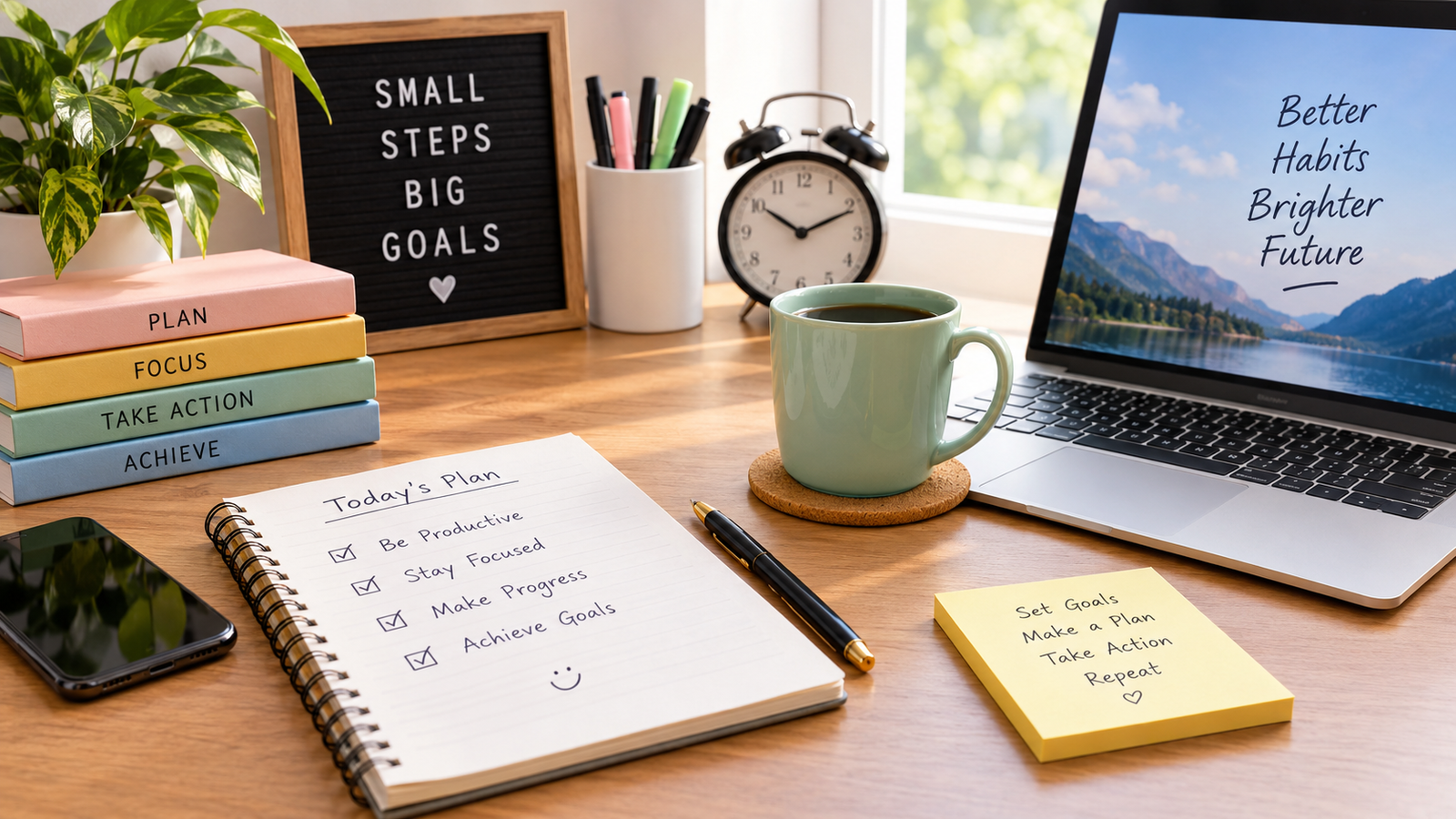
    Simple Productivity Tips to Organize Your Day and Achieve Your Goals

    Staying productive in a busy world can feel challenging. Between work, studies, household responsibilities, personal commitments, and digital distractions, it is easy to reach the end of the day feeling exhausted without completing the tasks that matter most. The good news is that improving productivity does not require working longer hours or following a complicated schedule. By developing simple habits and organizing your time more effectively, you can make meaningful progress toward your goals while maintaining a healthier balance in your life.

    Simple productivity tips can help you decide what deserves your attention, manage your daily responsibilities, reduce distractions, and use your energy more wisely. Whether you work from home, attend school or university, manage a household, or run a business, a practical daily routine can make your responsibilities easier to handle.

    Productivity is not about staying busy every minute. It is about using your time and attention to complete meaningful work. A productive day may involve finishing an important assignment, spending quality time with family, exercising, or making progress on a personal project. The best routine is one that supports your priorities rather than creating unnecessary pressure.

    In this guide, you will discover practical productivity tips to organize your day, improve time management, build consistent habits, stay focused, and achieve your personal and professional goals. These strategies are flexible enough to fit different lifestyles and can be introduced gradually without completely changing your daily routine.

    Why Productivity Matters in Everyday Life

    Productivity helps you make better use of your available time, energy, and resources. When you understand your priorities and have a plan for completing them, you can spend less time deciding what to do next and more time taking meaningful action.

    A well-organized day can also reduce the stress that comes from forgotten appointments, approaching deadlines, and unfinished responsibilities. Instead of trying to remember every task, you can write things down, establish priorities, and work through them in a manageable order.

    Good productivity habits can support personal growth as well. If you want to learn a new skill, improve your fitness, develop a website, or save money, consistent small actions can help you make progress. You do not need to achieve everything immediately; steady effort often matters more than occasional bursts of motivation.

    However, productivity should not be confused with constant activity. Taking breaks, sleeping enough, spending time with loved ones, and allowing yourself to relax are important parts of a balanced lifestyle. A useful productivity system helps you complete important work while leaving room for rest and personal well-being.

    1. Start Your Day With a Clear Plan

    One of the simplest productivity tips is to begin each day with a clear understanding of what you want to accomplish. Without a plan, you may spend the morning reacting to messages, handling minor tasks, or switching between responsibilities without making progress on your main goals.

    Take five to ten minutes at the beginning of the day to review your schedule and identify your most important tasks. Consider upcoming deadlines, appointments, work responsibilities, and personal commitments. Write down what needs to be completed and estimate how much time each task may require.

    Your daily plan should be realistic. If you have several hours of meetings, classes, or household responsibilities, do not create a schedule that assumes you will have an entire day available for focused work. Leave space for meals, travel, breaks, and unexpected interruptions.

    A simple notebook, paper planner, calendar, or digital task manager can help you organize your day. The tool itself is less important than using it consistently. Choose something convenient enough that you will continue using it even when life becomes busy.

    At the end of the day, review your plan and identify what remains unfinished. Move incomplete tasks to another suitable time rather than treating every delay as a failure. Planning should help you adjust your workload, not make you feel guilty about being human.

    2. Identify Your Three Most Important Tasks

    Long to-do lists can make a day feel overwhelming. When every task appears equally important, it becomes difficult to decide where to begin. A practical solution is to choose three important tasks that deserve priority.

    These tasks should have a meaningful effect on your goals or responsibilities. For a student, they might include preparing for an examination, completing an assignment, and reviewing difficult course material. For someone working from home, they might include finishing a report, responding to an essential client request, and completing a key project milestone.

    Write these priorities at the top of your daily task list. Whenever possible, work on one of them before spending too much time on less important activities. Completing even one high-priority task can make the day feel more productive.

    The three-task method is flexible. Some days may require more attention to urgent responsibilities, while others may be devoted to a larger project. You can still include small administrative tasks on your list, but do not let them replace the work that matters most.

    Remember that not every day will go according to plan. If an unexpected responsibility becomes urgent, adjust your priorities. The purpose is to focus your attention, not to follow a rigid system regardless of circumstances.

    3. Use Time Blocking to Organize Your Schedule

    Time blocking is a time management strategy in which you reserve specific periods for particular activities. Instead of writing only what you need to do, you decide when you intend to do it.

    For example, you might reserve the first part of your morning for focused work, a later period for emails and messages, the afternoon for meetings or study, and the evening for exercise and personal responsibilities. The exact schedule should reflect your energy levels and daily commitments.

    Time blocking helps reduce the uncertainty of an unstructured day. When you have already assigned a task to a particular period, you spend less time deciding what to do next. It can also help you identify unrealistic expectations. If your calendar contains more work than the available hours can accommodate, you know that something needs to be postponed, delegated, or removed.

    Avoid scheduling every minute. Leave buffer periods between demanding activities and allow extra time for tasks that frequently take longer than expected. A flexible calendar is more useful than one that collapses after a single delay.

    You can also use time blocks for personal activities. Scheduling meals, exercise, relaxation, and family time can help prevent work from occupying every available hour.

    4. Break Large Goals Into Smaller Tasks

    Large goals often feel difficult because the steps required to achieve them are unclear. A goal such as starting a website, learning a programming language, improving fitness, or completing a major project may involve many separate activities.

    Instead of focusing only on the final result, divide the goal into smaller, manageable tasks. If you want to start a website, your first steps might include choosing a topic, selecting a domain name, setting up hosting, designing the main pages, and publishing your first article. Each task creates a clear next step.

    Smaller tasks are easier to schedule and often feel less intimidating. They also make progress more visible. Rather than waiting until a large project is finished to feel successful, you can recognize the milestones you complete along the way.

    Make each task specific enough that you know when it is finished. For example, replace “work on my project” with “write the introduction and outline three main sections.” A clear action reduces uncertainty and makes it easier to begin.

    Review your larger goals regularly and adjust the steps as you learn more. Breaking goals into smaller tasks does not mean you must plan everything perfectly at the beginning. It gives you a practical starting point and a way to move forward.

    5. Avoid Multitasking and Focus on One Task at a Time

    Multitasking may appear efficient, but switching repeatedly between unrelated tasks can interrupt concentration and increase the chance of mistakes. You might begin writing an article, check a message, open social media, and then return to the article without remembering exactly where you stopped.

    Single-tasking means giving one activity your attention for a defined period. Close unnecessary tabs, silence nonessential notifications, and keep only the materials required for the current task nearby.

    If you are writing, write. If you are studying, focus on the lesson. If you are completing a report, avoid checking unrelated messages every few minutes. You may not be able to eliminate every interruption, especially when caring for children or handling a busy job, but reducing avoidable switching can still help.

    Some tasks can be combined without creating a problem. For example, you may listen to familiar audio while doing a simple household activity. However, tasks that require careful thinking, reading, or decision-making generally benefit from more direct attention.

    If you remember another task while working, write it on a separate list rather than immediately switching to it. This allows you to return to the current activity and handle the new task later.

    6. Try the Pomodoro Technique for Better Focus

    The Pomodoro Technique is a time management method that divides work into focused intervals separated by short breaks. A common version uses 25 minutes of work followed by a five-minute break, with a longer break after several intervals.

    To try this method, choose one specific task and set a timer for a manageable period. Work on that task until the timer ends, then take a short break. During the break, stand up, stretch, drink water, or look away from your screen.

    The technique can be helpful when you find it difficult to begin a task or maintain concentration for long periods. Short work intervals can make a large assignment feel less intimidating and create regular opportunities to rest.

    You do not need to follow the traditional timing exactly. Some people prefer 40-minute or 50-minute focus sessions, while others benefit from shorter intervals. Choose a pattern that fits the task and your attention span.

    The Pomodoro Technique is a tool rather than a rule. If you reach a productive flow and can continue comfortably, you may choose to finish a natural section before taking a break. The goal is sustainable concentration, not constant clock-watching.

    7. Reduce Digital Distractions

    Digital distractions are among the most common obstacles to productivity. Social media, messaging apps, email notifications, videos, and online browsing can interrupt concentration even when you intend to check them for only a moment.

    Begin by identifying which distractions affect you most. You might notice that you frequently check your phone while studying or open social media whenever a task becomes difficult. Understanding the pattern helps you choose a practical solution.

    During focused work, place your phone out of immediate reach if you do not need it. Turn off nonessential notifications, use website-blocking tools when helpful, or temporarily close apps that encourage unnecessary browsing.

    You can also create specific times for checking messages and email. Instead of responding to every notification immediately, review communications during designated periods, unless your job or responsibilities require faster responses.

    Digital tools can also improve productivity when used intentionally. Calendars, reminders, document editors, and task managers can organize your work. The important distinction is whether technology supports your priorities or repeatedly pulls your attention away from them.

    8. Keep Your Workspace Organized

    An organized workspace can make it easier to locate important materials and begin work without unnecessary delays. You do not need an expensive office or a perfect desk. A clean, functional space with the tools you use regularly is often enough.

    Start by removing items that do not belong in your immediate work area. Keep essential materials such as your notebook, computer, pens, charger, and current documents within easy reach. Store unrelated items elsewhere so they do not compete for attention.

    If you work from home, try to establish a consistent location for focused activities. This could be a dedicated desk, a small table, or a quiet corner. When possible, choose a place with suitable lighting, a comfortable chair, and minimal interruptions.

    Digital organization matters too. Use clear file names, create folders for different projects, and avoid saving every document to one crowded location. A simple folder system can reduce the time spent searching for files.

    At the end of your workday, spend a few minutes putting things away and preparing the materials needed for tomorrow. This small habit can make the next morning feel more organized and reduce the effort required to get started.

    9. Learn to Prioritize Urgent and Important Tasks

    Not every task deserves the same amount of time or attention. Some activities have serious deadlines or consequences, while others are useful but can wait. Learning to distinguish between them is an essential time management skill.

    Urgent tasks require attention soon, such as responding to a time-sensitive request or preparing for an upcoming deadline. Important tasks contribute to your long-term goals, such as learning a valuable skill, planning a project, or maintaining your health.

    A common productivity problem is spending the entire day responding to urgent demands while postponing important activities. To avoid this pattern, reserve time for tasks that contribute to long-term progress, even when they do not have an immediate deadline.

    When evaluating a task, ask yourself what will happen if it is delayed, whether someone else can handle it, and whether it supports one of your main priorities. These questions can help you decide what deserves attention first.

    You do not need a complicated scoring system. A short daily review of your responsibilities is often enough to identify the most important work and prevent minor tasks from consuming your schedule.

    10. Build a Consistent Morning Routine

    A morning routine can help you begin the day with intention instead of immediately reacting to messages and demands. It does not need to start at an unusually early hour or involve a long list of habits.

    Choose a few activities that support your needs. You might wake up at a consistent time, drink water, wash and dress, eat breakfast, stretch, review your calendar, or spend a few minutes reading. The best routine is one that fits your lifestyle and helps you feel prepared.

    Avoid comparing your morning with routines promoted by successful people online. Someone else’s schedule may depend on different working hours, family responsibilities, or personal circumstances. A routine that works for you is more valuable than one that looks impressive but is difficult to maintain.

    Prepare for the morning the night before whenever possible. Set out clothing, organize your bag, prepare basic breakfast items, or write down your first priority. Reducing small morning decisions can make the start of the day smoother.

    If your mornings are unpredictable, keep the routine flexible. Even a brief period of planning or quiet preparation can help you approach the day with greater clarity.

    11. Use the Two-Minute Rule Wisely

    The two-minute rule is a simple productivity idea: if a small task can genuinely be completed in about two minutes, consider doing it immediately rather than adding it to a long list.

    Examples might include putting a document in the correct folder, confirming a simple appointment, washing a cup, or writing down a reminder. Completing tiny tasks quickly can prevent them from accumulating into a larger administrative burden.

    However, the rule should not become an excuse to interrupt important work constantly. If you are in the middle of a focused task, even a small interruption may break your concentration. In that situation, write the task down and complete several small tasks together later.

    Use the rule selectively. Some quick tasks may not be important, even if they are easy to complete. Priorities still matter, so avoid spending your best concentration time on minor activities while a major deadline remains unfinished.

    The main purpose is to reduce unnecessary clutter and make small responsibilities easier to manage. Used thoughtfully, this approach can complement time blocking and daily planning.

    12. Take Regular Breaks to Protect Your Energy

    Working continuously for long periods can leave you mentally tired and less focused. Regular breaks provide an opportunity to rest, move, and return to work with renewed attention.

    During a break, try standing up, stretching, taking a short walk, getting some fresh air, or drinking water. If you spend much of your day looking at a screen, looking away from it periodically may also help reduce visual discomfort.

    Choose break activities that genuinely help you relax. Scrolling through social media may feel like a break, but it can easily turn into an extended distraction. A brief walk or a few quiet minutes may be more restorative.

    The length and frequency of breaks depend on your workload, preferences, and the type of task you are performing. Some activities require uninterrupted periods, while others can be divided into smaller sections.

    Rest is not wasted time. Sustainable productivity depends on balancing effort with recovery. If you consistently feel exhausted, consider whether your workload, sleep, or schedule needs adjustment rather than trying to solve every problem by working harder.

    13. Learn to Say No and Set Boundaries

    Taking on too many responsibilities can make even a well-organized schedule impossible to follow. Productivity often improves when you recognize your limits and make thoughtful decisions about what you can realistically do.

    Before agreeing to a new task, consider your existing commitments, available time, and energy. If the request is not urgent, you may ask for more time to respond. If you cannot reasonably take it on, a polite and clear refusal may be appropriate.

    Boundaries are particularly important when working remotely or managing responsibilities at home. Establishing working hours, communicating availability, and protecting personal time can help reduce the feeling that you must always be available.

    You may not be able to decline every request, especially when dealing with essential family, study, or work obligations. In those cases, discuss priorities and deadlines so that expectations remain realistic.

    Setting boundaries is not about avoiding responsibility. It is about managing commitments in a way that allows you to meet important obligations without repeatedly overloading your schedule.

    14. Use Productivity Tools Without Overcomplicating Your System

    Productivity apps and digital tools can help you manage tasks, deadlines, notes, and schedules. However, using too many tools can create extra work and make it harder to keep information organized.

    A digital calendar is useful for appointments, meetings, deadlines, and time blocks. A task manager can help you record responsibilities and track progress. A notes app can store ideas, checklists, and reference information.

    You can also use a simple paper planner or notebook if you prefer writing by hand. There is no requirement to use an app for every part of your day.

    Choose one main place to track tasks so that responsibilities do not become scattered across several systems. If you use multiple tools, give each a clear purpose. For example, keep appointments in your calendar and detailed project steps in a task manager.

    Review your system periodically. If maintaining the tool takes more time than it saves, simplify it. The best productivity system is one you understand, trust, and use consistently.

    15. Track Your Progress and Celebrate Small Wins

    Tracking progress helps you understand whether your daily actions are moving you toward your goals. Without a review process, it can be difficult to recognize improvements or identify habits that are not working.

    At the end of the day, review what you completed, what remains unfinished, and what needs attention tomorrow. You can use a checklist, a journal, or a simple note. The process should take only a few minutes.

    Look for patterns over time. You may discover that you focus best in the morning, underestimate how long writing tasks take, or lose concentration when your phone is nearby. These observations can help you adjust your schedule more effectively.

    Recognize small achievements as well. Completing a difficult assignment, exercising as planned, or making consistent progress on a long-term project deserves acknowledgment. Celebrating progress can make it easier to maintain motivation.

    Avoid treating an incomplete to-do list as proof of failure. Some tasks take longer than expected, and unexpected events are part of daily life. Evaluate your system honestly, adjust your expectations, and continue making progress.

    16. Set SMART Goals for Better Results

    Clear goals provide direction and help you decide which daily tasks matter most. One commonly used approach is the SMART framework, which encourages goals to be specific, measurable, achievable, relevant, and time-bound.

    A vague goal such as “be more productive” is difficult to measure. A more specific goal might be “complete three focused study sessions each weekday for the next two weeks.” This gives you a clear action and a time period for reviewing progress.

    Make sure your goals are realistic. An ambitious plan can be motivating, but goals that consistently exceed your available time may lead to frustration. Consider your responsibilities, current skills, and resources before deciding what you can achieve.

    Break each larger goal into weekly and daily actions. If you want to learn a new skill, decide which lesson to complete or which exercise to practice today. If you want to improve your fitness, plan specific activities that fit your schedule.

    Review your goals regularly and revise them when circumstances change. A goal should guide your decisions, not prevent you from adapting to new priorities or personal needs.

    17. Create a Balanced Evening Routine

    The way you finish your day can influence how prepared you feel the next morning. A simple evening routine helps you close unfinished tasks, organize your surroundings, and create space for rest.

    Spend a few minutes reviewing your completed work and selecting priorities for tomorrow. Put away materials, charge devices where needed, and prepare anything that will make the next morning easier.

    Try to create a clear stopping point for work when your responsibilities allow. Continuing to check emails or work messages late into the evening can make it harder to disconnect, especially when the messages are not urgent.

    Choose relaxing activities that suit you, such as reading, listening to calm music, talking with family, or preparing for bed. Reduce stimulating activities if they interfere with your sleep.

    A productive evening does not require completing another long list of tasks. Sometimes the most useful thing you can do is prepare for tomorrow and allow yourself to rest.

    18. Protect Your Health While Improving Productivity

    Productivity is closely connected to your overall well-being. Poor sleep, inadequate breaks, constant stress, and an unrealistic workload can make it harder to concentrate and complete tasks effectively.

    Try to maintain a consistent sleep schedule and allow enough time for rest. Eat regular, balanced meals, stay adequately hydrated, and include physical activity in your routine when possible. These habits support general health and can make daily responsibilities easier to manage.

    Movement does not need to involve a demanding workout. A short walk, gentle stretching, or regular breaks from sitting can help you avoid remaining in one position for too long.

    Pay attention to signs that your routine is becoming unsustainable. Persistent exhaustion, difficulty concentrating, irritability, or a constant sense of pressure may indicate that your workload or schedule needs adjustment.

    If you feel overwhelmed, reduce your priorities to the most important tasks and ask for help when appropriate. Productivity should support your life rather than consume it. A balanced approach allows you to work toward your goals while protecting your health and relationships.

    Sample Daily Schedule for Better Productivity

    A sample schedule can help you apply these productivity tips to your own routine. The times below are illustrative; adjust them according to your work, studies, family responsibilities, and preferred sleep schedule.

    7:00 AM – Morning preparation: Wake up, get ready, eat breakfast, and review your main priorities for the day.

    8:00 AM – First focus session: Work on your most important task while limiting unnecessary notifications and interruptions.

    9:30 AM – Short break: Stretch, drink water, and take a few minutes away from your main task.

    9:45 AM – Second work session: Continue important work, study, or project activities.

    12:00 PM – Lunch and rest: Eat a balanced meal and give yourself time to relax.

    1:00 PM – Administrative tasks: Handle emails, messages, meetings, appointments, and other responsibilities that require attention.

    3:00 PM – Progress session: Complete another meaningful task, review project milestones, or work on a personal goal.

    5:00 PM – Personal time: Finish essential responsibilities, take a walk, exercise, or spend time with family.

    8:00 PM – Evening review: Prepare for tomorrow, organize your workspace, and write down the next day’s priorities.

    9:00 PM onward – Relaxation: Choose calming activities and prepare for sleep at a time that allows sufficient rest.

    You do not have to follow this exact schedule. Its purpose is to demonstrate how focused work, administrative tasks, breaks, and personal time can fit into a balanced day.

    Frequently Asked Questions About Productivity

    What Are the Best Simple Productivity Tips?

    Start by planning your day, identifying three important tasks, breaking large projects into smaller steps, and reducing digital distractions. Use a schedule that fits your responsibilities and review your progress at the end of the day.

    How Can I Organize My Day Better?

    Write down your responsibilities, identify deadlines, and assign realistic time blocks to important activities. Include breaks and buffer time, and avoid scheduling more work than you can reasonably complete.

    How Can I Stop Procrastinating?

    Begin by making the task smaller and identifying the first action you can take. Set a short focus period, remove obvious distractions, and start before waiting for perfect motivation. If you are procrastinating because the task is unclear or overwhelming, clarify the instructions or divide it into smaller steps.

    Which Productivity Tools Are Best for Beginners?

    A simple calendar, notebook, or task-management app is often enough. Choose one main place for your tasks and use additional tools only when they solve a specific problem.

    How Can I Stay Productive Without Feeling Burned Out?

    Set realistic goals, take regular breaks, protect your sleep, and establish boundaries around work. Focus on meaningful progress rather than trying to stay busy throughout the day. If your workload is consistently unmanageable, review your commitments and seek support where possible.

    How Long Does It Take to Build Productivity Habits?

    The time required varies depending on the habit, your circumstances, and how consistently you practice it. Start with one or two changes and repeat them regularly. Review what works and make adjustments instead of expecting an instant transformation.

    Conclusion

    Improving productivity does not require a perfect schedule or an entirely new lifestyle. Simple productivity tips such as planning your day, choosing your main priorities, breaking goals into smaller tasks, reducing distractions, and taking regular breaks can make daily responsibilities easier to manage.

    The key is to create a system that works for your actual life. Use a calendar or notebook to organize your schedule, focus on one important task at a time, and review your progress regularly. Develop routines gradually and adjust them when your circumstances change.

    Most importantly, remember that productivity is about meaningful progress, not constant activity. Protect your health, make time for relationships, and allow yourself to rest. By combining effective time management with realistic goals and consistent habits, you can organize your day more confidently and move toward your personal and professional goals one step at a time.

  • Everyday Beauty Tips: Simple Ways to Improve Your Skincare Routine

    Everyday Beauty Tips: Simple Ways to Improve Your Skincare Routine

    A healthy-looking complexion does not always require expensive beauty products, complicated treatments, or a long list of skincare steps. In many cases, the best results come from simple everyday beauty tips that support your skin’s natural needs. Cleansing gently, moisturizing regularly, protecting your skin from the sun, and choosing suitable products can help you build a skincare routine that is practical, comfortable, and easy to maintain.

    Modern beauty trends often encourage people to try new products, ingredients, and treatments. However, using too many products at once can make a skincare routine confusing and may cause irritation. A simpler approach allows you to understand what works for your skin and maintain healthy habits over time.

    Your skin is influenced by several factors, including genetics, age, environment, sleep, stress, and daily habits. This means that there is no single skincare routine that works perfectly for everyone. The most effective approach is to understand your skin type, choose products that suit your needs, and remain consistent with the basics.

    In this guide, you will discover everyday beauty tips, learn how to improve your morning and evening skincare routines, understand common skincare mistakes, and explore simple habits that can support healthy-looking skin. Whether you are a beginner or want to improve your existing routine, these practical suggestions can help you make more informed beauty choices.

    Why Everyday Beauty Habits Matter

    A consistent skincare routine helps you care for your skin without making beauty feel like a difficult task. Instead of depending on occasional treatments, you can build small habits that fit naturally into your daily schedule. Gentle cleansing, appropriate moisturizing, and sun protection are useful foundations for many people.

    Everyday beauty habits also help you become more familiar with your skin. When you use a manageable number of products, it becomes easier to notice whether your skin feels dry, oily, irritated, or comfortable. This information can help you adjust your routine gradually rather than changing everything at once.

    Healthy beauty habits extend beyond skincare products. Removing makeup before bed, washing your face after heavy sweating, getting enough sleep, and avoiding harsh scrubbing can all contribute to a more comfortable skin-care experience.

    It is important to remember that skincare cannot eliminate every skin concern. Acne, persistent redness, eczema, and other conditions may require professional guidance. The purpose of a daily routine is to support your skin, not to promise flawless results or replace appropriate medical treatment.

    1. Understand Your Skin Type Before Choosing Products

    One of the most important everyday beauty tips is learning how your skin behaves. Choosing products without considering your skin type can lead to discomfort, excess dryness, or a greasy feeling. Although skin types can overlap and change with the seasons, understanding your usual pattern provides a helpful starting point.

    Oily skin often produces noticeable shine, especially around the forehead, nose, and chin. Lightweight, non-comedogenic moisturizers may feel more comfortable than heavy formulas. A gentle cleanser can help remove excess oil without leaving the skin tight or irritated.

    Dry skin may feel rough, tight, or flaky. Cream-based cleansers and moisturizers containing ingredients such as glycerin or ceramides may help support the skin barrier. Avoid excessively hot water and harsh cleansing products that can worsen dryness.

    Combination skin has areas with different needs. For example, the forehead and nose may be oily while the cheeks feel dry. You may find that a lightweight moisturizer works across most of your face, with additional moisturizer applied to drier areas when necessary.

    Sensitive skin can react easily to fragrance, strong active ingredients, or environmental changes. Fragrance-free products and a gradual introduction of new ingredients may be helpful. Patch testing can reduce the risk of a widespread reaction, although it cannot guarantee that a product will never irritate your skin.

    Normal skin generally feels comfortable without persistent excess oil or dryness, but it still benefits from gentle cleansing, moisturizing, and sun protection.

    Your skin type is not a permanent label. Weather, hormones, medications, age, and other factors can affect how your skin feels. Choose products based on its current needs rather than following beauty trends blindly.

    2. Follow a Simple Morning Skincare Routine

    A morning skincare routine can prepare your skin for the day without taking much time. You do not need dozens of products to create an effective routine. For many people, three basic steps are enough: cleansing when needed, moisturizing, and applying sunscreen.

    Start with a gentle cleanser if your skin needs it. Some people with dry or sensitive skin may prefer rinsing with water in the morning, while those with oily skin may benefit from a mild cleanser. Choose a product that removes overnight buildup without leaving your face uncomfortable.

    Next, apply a moisturizer suitable for your skin type. Moisturizers help reduce water loss and support the skin barrier. Lightweight lotions or gels may suit some oily skin types, while richer creams can be more comfortable for dry skin. Apply the product gently without rubbing aggressively.

    Finish with broad-spectrum sunscreen with SPF 30 or higher. Sunscreen is one of the most useful daily skincare habits because it helps protect against ultraviolet radiation that contributes to sunburn, premature skin aging, and skin cancer. Apply it according to the label, use an adequate amount, and reapply as directed, especially after swimming, sweating, or prolonged outdoor exposure.

    Allow products to settle comfortably before applying makeup. If your moisturizer and sunscreen already provide enough hydration, you may not need additional layers. A simple morning routine is easier to maintain consistently than one that feels unnecessarily complicated.

    3. Never Skip Sun Protection

    Sun protection is an essential part of everyday beauty because ultraviolet exposure can affect the skin even when the weather is cool or cloudy. Repeated exposure can contribute to uneven pigmentation, wrinkles, sunburn, and long-term skin damage.

    Choose a broad-spectrum sunscreen that protects against both UVA and UVB rays. SPF 30 or higher is a practical starting point for daily use. If you spend time outdoors, select a water-resistant formula when appropriate and follow the product’s instructions for reapplication.

    Apply sunscreen to exposed areas, including your face, neck, ears, and hands. Many people focus only on the face while forgetting the neck and other exposed skin. Lip products with sun protection may also be useful during outdoor activities.

    Sunscreen works best as part of a broader sun-protection routine. Seek shade when the sun is strong, wear protective clothing when practical, and use a hat and sunglasses outdoors. Do not rely on sunscreen alone to extend your time in direct sunlight.

    If you have darker skin, sun protection is still important. Different skin tones may show sun damage differently, but ultraviolet radiation can affect everyone. People who experience pigmentation concerns may also benefit from discussing suitable skincare options with a dermatologist.

    4. Cleanse Your Face Gently Every Day

    Cleansing removes sweat, dirt, excess oil, sunscreen, and makeup from the skin’s surface. However, cleansing too aggressively can damage the skin barrier and lead to dryness or irritation. The goal is to clean your skin without making it feel stripped.

    Choose a gentle cleanser that suits your skin type. Use lukewarm water and massage the product over your face with clean fingertips. Avoid rough brushes, abrasive scrubs, and vigorous rubbing unless a suitable treatment has specifically been recommended for your skin.

    For many people, cleansing in the evening is especially useful because it removes sunscreen, makeup, and daily buildup. If you wear heavy or water-resistant makeup, you may need an appropriate makeup remover before using your regular cleanser. Remove eye makeup carefully to avoid irritation around the delicate eye area.

    After cleansing, pat your face dry with a clean, soft towel rather than rubbing it. Apply moisturizer while your skin is still slightly damp if that feels comfortable. This can help support hydration.

    You do not necessarily need to wash your face repeatedly throughout the day. Excessive cleansing can make dryness and irritation worse. Adjust your routine to your activities, climate, and skin needs rather than assuming that more cleansing always produces better results.

    5. Keep Your Skin Moisturized

    Moisturizing is an important step in maintaining comfortable, healthy-looking skin. A suitable moisturizer helps reduce water loss and supports the skin barrier, which protects against external irritants and helps maintain hydration.

    Ingredients such as glycerin and hyaluronic acid help attract or retain moisture, while ceramides and certain emollients support the skin barrier. You do not need every ingredient in a single product. The best choice is one that suits your skin and feels comfortable enough to use regularly.

    For oily skin, a lightweight lotion or gel moisturizer may be preferable. For dry skin, a richer cream may provide more lasting comfort. People with sensitive skin may benefit from fragrance-free formulas with fewer potential irritants.

    Apply moisturizer after cleansing and whenever your skin feels dry, following the product instructions. Your face is not the only area that may need attention. Hands, elbows, knees, and other exposed or dry areas can benefit from regular moisturizing too.

    If a moisturizer consistently causes burning, itching, swelling, or a rash, stop using it and seek appropriate advice if the reaction persists or is severe. Do not assume that discomfort means a product is working.

    6. Exfoliate Carefully and Avoid Overdoing It

    Exfoliation removes some dead cells from the skin’s surface and may help improve the appearance of rough texture. However, frequent or aggressive exfoliation can irritate the skin, weaken its protective barrier, and make some skin concerns worse.

    There are different types of exfoliants. Physical exfoliants use particles or tools to remove surface cells, while chemical exfoliants use ingredients such as alpha hydroxy acids or beta hydroxy acids. Their suitability depends on the product, concentration, skin condition, and how frequently they are used.

    If you want to try an exfoliating product, start cautiously and follow the label. Avoid combining several strong exfoliating products when you are first introducing them. Do not exfoliate irritated, sunburned, or broken skin.

    Some people do not need exfoliation at all. If your skin already feels smooth and comfortable, a gentle cleansing and moisturizing routine may be sufficient. Exfoliation should be an optional step based on your needs, not a requirement for every skincare routine.

    Pay attention to signs of overuse, such as persistent stinging, redness, flaking, or unusual sensitivity. If these symptoms develop, stop the irritating product and return to a simple routine while your skin recovers. Seek professional advice for persistent symptoms.

    7. Remove Makeup Before Going to Bed

    Removing makeup at the end of the day is a useful beauty habit. Leaving makeup and sunscreen on overnight may contribute to clogged pores or irritation for some people, especially if the products are not suitable for their skin.

    Use a makeup remover or cleansing product designed for the type of makeup you wear. Waterproof mascara and long-wearing foundation may require a dedicated remover. Apply it gently and avoid pulling at the skin around your eyes.

    After removing makeup, cleanse your face with a gentle cleanser if needed, then apply moisturizer. You do not need to scrub until your skin feels completely bare. A comfortable, clean feeling is a better goal than excessive dryness.

    Keep makeup brushes and reusable applicators clean, and avoid sharing eye or lip products with other people. Replace products according to their instructions and discard items that change in smell, texture, or appearance.

    If you are too tired for a lengthy evening routine, keep the essentials accessible. A simple, consistent cleansing routine is more realistic than an elaborate routine you frequently skip.

    8. Introduce New Skincare Products Slowly

    Trying new skincare products can be exciting, but adding several products at the same time makes it difficult to identify the cause of irritation. A gradual approach allows you to observe how your skin responds.

    Introduce one new product at a time whenever practical. Follow the product instructions and begin with the recommended frequency, particularly when using active ingredients such as retinoids or exfoliating acids. Some ingredients may cause irritation if used too frequently or combined with unsuitable products.

    Patch testing can be helpful. Apply a small amount of the product to a discreet area of skin according to the product’s instructions and observe for a reaction. A patch test does not guarantee that the product will be safe for your entire face, but it may reveal some problems before wider application.

    Be cautious with products that promise immediate, dramatic results. Strong claims, unknown ingredient lists, and products sold without reliable labeling should prompt careful consideration. Choose reputable sellers and check the ingredients before use.

    Give routine changes time when appropriate, but do not continue using a product that causes a significant reaction. Persistent acne, severe irritation, or other ongoing skin concerns may need professional assessment rather than another cosmetic product.

    9. Support Healthy-Looking Skin With Balanced Nutrition

    A balanced diet supports overall health, and nutritional deficiencies can affect skin, hair, and nails. However, no single food can guarantee clear skin or reverse every skin concern.

    Include a variety of fruits, vegetables, whole grains, protein sources, and healthy fats in your usual meals. Different foods provide vitamins, minerals, protein, and essential fatty acids that support normal body functions. Variety is generally more useful than focusing on one so-called beauty food.

    Protein-rich foods such as eggs, beans, lentils, fish, and other suitable options help provide building blocks for body tissues. Fruits and vegetables supply a range of nutrients, while nuts, seeds, and other sources of healthy fats can contribute to a balanced eating pattern.

    Be cautious about expensive beauty supplements that promise flawless skin, rapid anti-aging effects, or dramatic hair growth. Supplements are not necessary for everyone and may have risks or interact with medications. If you suspect a nutritional deficiency, seek appropriate professional advice instead of relying on high-dose products.

    Diet can influence certain skin conditions differently from person to person. If you notice a consistent relationship between a particular food and a skin concern, discuss it with a qualified healthcare professional before making major dietary restrictions.

    10. Drink Enough Water and Maintain Healthy Habits

    Staying adequately hydrated supports normal bodily functions. Drinking enough fluids is sensible, particularly in hot weather or during physical activity, but drinking excessive amounts of water will not automatically eliminate acne, wrinkles, or pigmentation.

    Your fluid needs depend on activity, climate, health, and other factors. Water is a convenient everyday option, while other beverages and water-rich foods can also contribute to hydration. Pay attention to thirst and follow any fluid guidance provided by your healthcare professional.

    Avoid relying on sugary drinks as your main source of fluids. If you spend time outdoors in hot weather, plan for hydration and shade, especially during exercise or travel.

    Other habits matter too. Regular physical activity supports general well-being, and avoiding smoking can help reduce some forms of premature skin aging. Managing stress may also help people whose skin concerns worsen during stressful periods.

    Focus on sustainable habits rather than extreme beauty challenges. Small, consistent improvements are usually easier to maintain and less likely to create unnecessary pressure around appearance.

    11. Get Enough Sleep for a Refreshed Appearance

    Sleep is an important part of overall health and can influence how refreshed you look and feel. Poor sleep may contribute to tired-looking eyes, reduced energy, and difficulty maintaining healthy daily habits. However, sleep alone cannot eliminate every skin concern.

    Try to maintain a regular sleep and wake schedule that provides enough rest for your needs. A relaxing evening routine, a comfortable sleeping environment, and reduced screen use before bed may help some people prepare for sleep.

    Remove makeup before sleeping and keep your evening skincare routine simple. Applying moisturizer before bed can help maintain skin comfort, particularly if you experience dryness.

    Dark circles and puffiness around the eyes can have many causes, including genetics, allergies, and normal facial anatomy. More sleep may help when tiredness contributes to the problem, but it is not a universal solution.

    If you experience persistent sleep difficulties, significant daytime tiredness, or other concerning symptoms, consider seeking professional advice. Healthy sleep habits support well-being, but ongoing problems may require further assessment.

    12. Choose Makeup That Works With Your Skincare Routine

    Makeup can complement your appearance, and a suitable application routine does not need to involve many products. Start with clean, moisturized skin and allow your skincare products to settle before applying makeup.

    Choose products according to your preferences, skin type, and concerns. If you are prone to clogged pores, products labeled non-comedogenic may be worth considering, although no label guarantees that a product will suit everyone.

    Clean brushes, sponges, and other reusable tools regularly according to their care instructions. Dirty tools can accumulate oils, product residue, and microorganisms. Avoid sharing personal makeup tools, especially those used around the eyes and lips.

    Remove makeup gently at the end of the day. If a particular product causes itching, burning, or repeated breakouts, stop using it and consider whether an ingredient or formula may be contributing to the problem.

    You do not need makeup to look healthy or attractive. It is a personal choice, and the most useful routine is one that makes you feel comfortable without causing skin problems or financial stress.

    13. Take Care of Your Lips, Hands, and Neck

    A skincare routine often focuses on the face while overlooking other areas that are regularly exposed to the environment. The lips, hands, and neck can also benefit from simple daily care.

    Use a comfortable lip balm when your lips feel dry. During outdoor activities, consider a lip product with sun protection. Avoid repeatedly licking your lips, as this can worsen dryness for some people.

    Apply moisturizer to your hands after washing when needed, particularly if frequent handwashing or cleaning products leave your skin dry. Gloves can help protect your hands when handling cleaning products or performing tasks that involve prolonged contact with water.

    Extend sunscreen to exposed areas such as the neck and ears. These areas receive sunlight during daily activities and may be overlooked when applying facial products.

    Gentle care is more useful than harsh treatments. Avoid aggressive scrubbing or unverified home remedies, particularly on sensitive areas. If you develop persistent cracking, swelling, rashes, or unusual changes, seek appropriate medical advice.

    14. Keep Your Skincare Routine Affordable

    An effective skincare routine does not have to include expensive brands or numerous products. For many beginners, the most useful starting point is a gentle cleanser, a moisturizer, and a broad-spectrum sunscreen.

    Before purchasing a new product, identify the specific need it is intended to address. If your skin feels dry, a suitable moisturizer may be more helpful than buying several serums. If your main concern is sun exposure, reliable sunscreen should take priority over trendy cosmetic treatments.

    Compare ingredient lists, package sizes, and prices from reputable retailers. A higher price does not automatically mean a product is more effective, and a low price does not necessarily mean it is poor quality. Suitability, formulation, and consistent use matter.

    Avoid purchasing multiple products simply because they are popular on social media. Influencers may have different skin types, budgets, and routines, and sponsored recommendations may not reflect your individual needs.

    Replace products when necessary and follow storage and expiration instructions. Buying fewer suitable products can reduce waste, simplify your routine, and make it easier to identify what works for you.

    15. Common Skincare Mistakes to Avoid

    One common mistake is washing the face too often or using harsh cleansers. This can leave the skin dry, tight, or irritated. Choose gentle products and adjust cleansing frequency to your needs.

    Another mistake is skipping sunscreen because the weather is cloudy or because you spend only a short time outdoors. Daily sun protection is an important habit, and it should be adjusted to your exposure and the product instructions.

    Using too many active ingredients at once can also cause problems. Combining exfoliating acids, retinoids, and other potentially irritating products without a suitable plan may lead to redness and discomfort. Introduce new products gradually and seek professional advice when you are unsure.

    Some people try to remove pimples by squeezing or picking at them. This can worsen inflammation and increase the risk of marks or scarring. Avoid picking at blemishes and consider appropriate acne care or professional treatment for persistent breakouts.

    Finally, expecting instant results can make skincare frustrating. Many cosmetic products require consistent use over time, and results vary. Be patient, focus on skin comfort, and remember that healthy skin does not need to look perfect.

    16. A Simple Everyday Skincare Routine for Beginners

    If you are unsure where to begin, use a straightforward routine and adjust it to your skin’s needs.

    Morning routine: Gently cleanse your face if needed, apply a suitable moisturizer, and finish with broad-spectrum sunscreen with SPF 30 or higher. Use other products only if they serve a clear purpose and suit your skin.

    Evening routine: Remove makeup and sunscreen, cleanse gently, and apply moisturizer. If you use a treatment product for a specific concern, follow its instructions and introduce it gradually.

    Weekly habits: Clean reusable makeup tools, check product expiration dates, wash pillowcases regularly, and review whether your products are still suitable. These habits support hygiene and help you maintain an organized routine.

    You do not need to add exfoliants, masks, toners, or serums immediately. Once you are comfortable with the basics, you can consider a targeted product if you have a particular concern. Change one thing at a time so that you can evaluate your skin’s response.

    The best skincare routine is not the longest one. It is a routine that meets your needs, fits your budget, and is comfortable enough to follow consistently.

    Frequently Asked Questions About Everyday Beauty Tips

    What Are the Best Everyday Beauty Tips for Beginners?

    Start with gentle cleansing, regular moisturizing, daily sun protection, adequate sleep, and a balanced diet. Choose products based on your skin type and introduce new ingredients gradually. Consistency is more important than using many products.

    How Can I Improve My Skincare Routine Naturally?

    Keep your routine simple, avoid harsh scrubbing, remove makeup before bed, and use sunscreen regularly. Maintain healthy lifestyle habits and avoid unverified home remedies that may irritate your skin. Natural ingredients are not automatically safer than formulated skincare products.

    How Many Products Do I Need for a Daily Skincare Routine?

    Many beginners can start with three essentials: a cleanser, a moisturizer, and sunscreen. An evening makeup remover or a targeted treatment may be useful depending on your needs, but additional products are optional rather than essential.

    How Often Should I Wash My Face?

    Many people cleanse their face in the evening and may also cleanse in the morning depending on their skin type and activities. Wash after heavy sweating when appropriate, and avoid excessive cleansing that causes tightness or irritation.

    Can Drinking Water Give Me Clear Skin?

    Adequate hydration supports general health, but drinking extra water does not guarantee clear skin or cure acne. Persistent skin concerns may have several causes and sometimes require professional assessment.

    When Should I See a Dermatologist?

    Consider consulting a dermatologist if you have persistent acne, severe or recurring irritation, unexplained rashes, painful skin changes, or a skin concern that does not improve with gentle care. Seek prompt medical attention for severe allergic reactions or rapidly worsening symptoms.

    Conclusion

    Improving your skincare routine does not require a complicated beauty regimen. The most effective everyday beauty tips often involve simple habits: understanding your skin type, cleansing gently, moisturizing regularly, using sunscreen, removing makeup before bed, and choosing products carefully.

    Healthy lifestyle habits, including balanced nutrition, adequate sleep, and suitable hydration, can support your overall well-being. At the same time, avoid expecting any single product or habit to solve every skin concern. Your skin is unique, and your routine should reflect its needs rather than every new beauty trend.

    Start with the basics, introduce changes gradually, and pay attention to how your skin responds. If you experience persistent or severe concerns, seek guidance from a qualified healthcare professional. With a practical and consistent approach, you can create a skincare routine that supports healthy-looking skin and makes everyday self-care simpler.

  • How to Plan a Perfect Weekend Getaway on a Budget

    How to Plan a Perfect Weekend Getaway on a Budget

    A weekend getaway is one of the easiest ways to take a break from your daily routine, explore somewhere new, and spend quality time with friends, family, or yourself. You do not need a long vacation or a large travel budget to enjoy a memorable experience. With a little planning, you can discover beautiful destinations, enjoy local activities, try new foods, and return home feeling refreshed without spending too much money.

    Learning how to plan a perfect weekend getaway on a budget starts with making smart choices. Transportation, accommodation, meals, activities, and unexpected expenses can quickly increase the cost of a short trip. However, comparing prices, choosing a suitable destination, traveling during quieter periods, and planning your activities in advance can help you keep expenses under control.

    Whether you prefer a peaceful countryside escape, a scenic mountain destination, a lively city break, or a relaxing stay near the beach, there are plenty of ways to enjoy affordable weekend travel. This guide explains how to organize a budget-friendly weekend trip, save money without sacrificing enjoyment, and make the most of your limited time away.

    Why Plan a Weekend Getaway on a Budget?

    A weekend getaway offers an opportunity to recharge without taking several days off work or spending money on an extended vacation. Since the trip lasts only a short time, it can be easier to manage your schedule and expenses. A carefully planned two- or three-day trip may provide the change of scenery you need while allowing you to return to your normal routine quickly.

    Budget-friendly travel also encourages you to focus on experiences rather than expensive extras. Instead of paying for a luxury hotel or costly attractions, you might explore a local market, enjoy a scenic walk, visit a public garden, discover historical sites, or watch the sunset from a beautiful viewpoint.

    Traveling on a budget does not mean avoiding comfort or enjoyment. It means deciding which experiences matter most and spending your money accordingly. By setting realistic expectations and planning ahead, you can create a weekend that feels special without putting pressure on your finances.

    1. Set a Realistic Weekend Travel Budget

    The first step in planning an affordable weekend getaway is deciding how much you can comfortably spend. Your budget should reflect your current financial situation rather than an ideal trip that requires borrowing money or using funds intended for essential expenses.

    Start by estimating the total amount available for transportation, accommodation, food, activities, and miscellaneous costs. For example, if you have a total budget of $200, you might allocate $50 for transportation, $60 for accommodation, $45 for meals, $25 for activities, and $20 for unexpected expenses. These figures are only an illustration; actual costs depend on your destination, travel dates, and currency.

    Once you establish your total budget, compare the expected cost of your preferred destination with the amount you can afford. If the trip appears too expensive, adjust the plan. You could choose a closer location, shorten your stay, travel with a companion to share eligible expenses, or replace costly activities with free alternatives.

    Keep a small emergency reserve whenever possible. Unexpected transport changes, minor medical needs, or other unplanned expenses can occur during travel. Having money set aside can help you handle these situations without disrupting the rest of your trip.

    2. Choose an Affordable Destination

    Your destination has a major influence on the overall cost of a weekend getaway. A popular resort or distant tourist city may require expensive transportation and accommodation, while a nearby town, nature area, or smaller city could offer a similar sense of adventure at a lower price.

    Begin by researching destinations within a reasonable travel distance from home. Consider nearby lakes, mountains, beaches, historical towns, countryside villages, national parks, and cultural attractions. A destination that takes only a few hours to reach can give you more time to enjoy the trip and reduce transportation expenses.

    Look beyond famous tourist locations. Smaller destinations sometimes have affordable guesthouses, inexpensive local restaurants, and free outdoor attractions. Local tourism websites, travel blogs, maps, and recent visitor reviews can help you identify places worth exploring.

    Think about the type of experience you want. If your goal is relaxation, a quiet town or nature retreat may be ideal. If you enjoy culture, look for museums, historic neighborhoods, and local events. If you prefer outdoor activities, research walking trails, public beaches, viewpoints, and parks.

    Before making a final decision, calculate the complete cost of reaching and staying at the destination. A cheap hotel in a distant location may not be economical once transportation is included. The best destination is one that fits both your interests and your total budget.

    3. Travel During Off-Peak Times

    Travel dates can significantly affect accommodation, transport, and activity prices. Popular weekends, public holidays, school breaks, and major events may lead to higher demand and limited availability.

    If your schedule allows, consider traveling during quieter periods. Leaving early on Saturday and returning on Sunday evening may work for some destinations, while a Friday evening departure could provide additional time if transport and accommodation costs remain reasonable.

    You can also compare different weekends before booking. Check prices for nearby dates, but calculate the complete cost rather than choosing dates based on one low advertised rate. Weather, local events, and transportation schedules can influence the experience as well.

    For outdoor destinations, research seasonal conditions before traveling. A cheaper trip is not necessarily a good value if heavy rain, extreme temperatures, or inaccessible roads prevent you from enjoying the activities you planned.

    If you must travel during a busy period, book essential arrangements early when practical. Compare cancellation policies and avoid paying for non-refundable services unless your plans are sufficiently certain.

    4. Find Budget-Friendly Accommodation

    Accommodation can be one of the largest expenses during a weekend getaway. Fortunately, you have several options beyond expensive hotels. Depending on your destination, affordable guesthouses, hostels, simple motels, homestays, camping sites, and short-term rentals may provide suitable places to stay.

    Compare the total price of each option. Some listings charge extra for cleaning, service, parking, or additional guests. A room with a slightly higher advertised price may ultimately be cheaper if it includes breakfast, parking, or a useful kitchen.

    Location matters too. Staying far outside a destination may reduce the room rate but increase transportation costs. Look for accommodation near the places you intend to visit or close to reliable public transport.

    Read recent reviews before booking. Pay attention to cleanliness, safety, noise, accessibility, check-in procedures, and whether the accommodation matches its description. Choose a property with clear booking terms and reliable contact information.

    If you are traveling with friends or family, sharing a suitable room may reduce the cost per person. However, confirm the property’s occupancy rules and make sure everyone has enough space to sleep comfortably.

    For a very short trip, you may not need luxury amenities. A clean, safe room with a comfortable bed and convenient location can be enough. Spending less on accommodation may leave more money for activities and meals that make the trip memorable.

    5. Save Money on Transportation

    Transportation expenses can make an otherwise affordable trip expensive. Before choosing a destination, compare the cost of driving, public transport, buses, trains, or other available services.

    Public transportation can be economical, particularly when traveling alone or visiting a city with a reliable transit system. Check routes, departure times, ticket conditions, and the distance between stations and your accommodation before booking.

    If driving, estimate fuel costs and consider tolls, parking fees, and vehicle condition. Sharing a car with trusted travel companions can reduce individual expenses, provided everyone agrees on the arrangements and costs in advance.

    Booking tickets early may help you find better prices on some routes. However, compare refund and change policies before purchasing. A cheap ticket that cannot be changed may become costly if your plans change.

    Try to avoid unnecessary journeys once you arrive. Organize your itinerary around nearby attractions so that you can explore one area at a time. Walking between nearby locations can save money while allowing you to discover streets, cafés, and local attractions you might otherwise miss.

    Always prioritize safe and reliable transportation. Avoid unlicensed operators or arrangements that seem suspicious simply because they offer a lower price.

    6. Create a Simple Weekend Itinerary

    A basic itinerary helps you use your time wisely and avoid unnecessary spending. You do not need to plan every minute, but deciding what you want to see each day makes it easier to estimate costs and organize transportation.

    Start by choosing two or three priority experiences. These could include visiting a landmark, walking through a scenic area, exploring a local market, or trying a well-known regional dish. Build the rest of your schedule around these activities.

    For a two-day trip, Saturday could focus on arrival, sightseeing, and an inexpensive local dinner. Sunday might include a morning walk, a museum or market visit, lunch, and a return journey. Adjust the schedule according to travel time, opening hours, and your preferred pace.

    Leave room for unexpected discoveries. A completely packed itinerary can make a short vacation tiring, particularly when you have to rush between locations. A flexible schedule allows you to spend more time at places you enjoy.

    Check opening times and ticket requirements before departure. Some attractions require advance reservations, while others offer free admission on particular days. Verify the details using official sources whenever possible so that you do not waste money traveling to a closed or unavailable attraction.

    7. Look for Free and Low-Cost Activities

    One of the best budget travel tips is to include activities that cost little or nothing. Many destinations offer beautiful public spaces, historic streets, walking routes, beaches, gardens, and local neighborhoods that are enjoyable without expensive admission fees.

    Nature-based activities can be particularly affordable. Depending on the destination, you could enjoy a scenic walk, watch the sunrise, visit a public park, photograph landscapes, or spend time beside a lake. Check local rules, weather conditions, trail difficulty, and safety information before setting out.

    Cultural exploration can also be inexpensive. Visit local markets, explore historic districts, attend free public events, or learn about the destination’s traditions through community activities. Some museums and galleries provide discounted entry on selected days.

    If you enjoy photography, a weekend getaway can become an opportunity to document your experience. Create a photo walk, capture local architecture, or take pictures of landscapes and street scenes while respecting people’s privacy and local photography rules.

    Do not assume every advertised activity is worth its price. Read recent reviews, compare alternatives, and choose experiences that genuinely interest you. Paying for one memorable activity can be better than spending money on several attractions that add little value to your trip.

    8. Plan Affordable Meals and Snacks

    Food is another important part of a weekend travel budget. Eating at restaurants for every meal can quickly increase your expenses, particularly in popular tourist areas.

    Before departure, check whether your accommodation includes breakfast or has access to a kitchen. If permitted, bringing simple snacks and reusable water bottles can help reduce unnecessary purchases. Choose foods that are safe to transport and store, especially during warm weather.

    Explore local cafés, casual restaurants, food markets, and neighborhood eateries. These places may offer better value than restaurants in heavily visited tourist areas. Check menus and prices before ordering, and be aware of any service charges or taxes that may apply.

    You do not have to avoid restaurants entirely. Choose one meal as a special experience and keep the remaining meals simple. Trying a local specialty can be an enjoyable part of the trip without requiring expensive dining every day.

    If you have allergies, dietary restrictions, or specific food requirements, research suitable options in advance. Keep essential snacks available when traveling between locations, and prioritize food safety rather than choosing a meal solely because it is inexpensive.

    9. Pack Smartly to Avoid Extra Expenses

    Packing efficiently can save money and make your trip more comfortable. Before leaving, check the weather forecast and prepare clothing suitable for the destination and planned activities.

    For a typical weekend trip, useful items may include comfortable walking shoes, versatile clothing, sleepwear, toiletries, a phone charger, identification, booking confirmations, and any personal essentials. Add rain protection, sunscreen, or warmer layers when conditions require them.

    Try to create outfits that can be combined in different ways. This reduces the amount of clothing you need and makes packing easier. A small bag may be sufficient for a short trip, depending on the destination and transport requirements.

    Check baggage limits before traveling, particularly if you are using a budget airline or a service with strict luggage rules. Additional baggage fees can reduce the savings from a cheap ticket.

    Avoid buying travel accessories you are unlikely to use. Reusable items already available at home, such as a water bottle or basic toiletry containers, may be perfectly suitable. The goal is to pack what you need rather than purchase a new product for every journey.

    10. Use Travel Deals and Discounts Carefully

    Travel discounts can make a weekend getaway more affordable, but it is important to compare the full price before booking. Look for legitimate transport offers, accommodation promotions, attraction passes, and discounts available through official providers.

    Some destinations offer combined tickets for museums or public transportation. These can provide savings if you plan to use the included services frequently. However, buying a pass for activities you do not intend to visit may cost more than purchasing individual tickets.

    Compare prices across reputable booking platforms and check the provider’s own website. Review cancellation terms, payment requirements, taxes, and any additional charges. A large discount advertised on an unfamiliar website should be treated cautiously.

    Set price alerts where available and book when the total price fits your budget. Avoid allowing a countdown timer or limited-time promotion to pressure you into a purchase you have not researched.

    Be careful with offers that require unusual payment methods, request unnecessary personal information, or lack clear contact details. Saving money is useful only when the booking is legitimate and the service meets your needs.

    11. Travel With Friends to Share Costs

    Traveling with friends or family can make a weekend getaway more enjoyable and may reduce certain expenses. Shared accommodation, fuel, parking, and group transport can cost less per person than arranging everything individually.

    Before leaving, discuss the total budget with everyone. Agree on accommodation standards, meal preferences, transportation, and activities so that nobody feels pressured to spend more than they can afford.

    Create a simple shared expense record to track group costs. Decide how you will divide shared expenses, including whether everyone pays equally or contributes according to actual usage. Clear communication can prevent misunderstandings later.

    Choose companions whose travel preferences are reasonably compatible with yours. If one person wants expensive restaurants and another prefers free activities, discuss these differences before booking.

    You can still enjoy a budget-friendly getaway alone. Solo travelers may have fewer shared costs, but they can save by choosing compact accommodation, using public transport, and planning activities close together. The best travel arrangement is the one that fits your budget, comfort, and personal preferences.

    12. Keep an Emergency Fund for Unexpected Costs

    Even a well-planned trip can involve unexpected expenses. Transportation delays, weather changes, minor health needs, or an unplanned overnight stay may affect your budget.

    Whenever possible, keep a small reserve separate from your spending money. The appropriate amount depends on the destination, transportation arrangements, and your personal circumstances. If your budget is extremely limited, consider shortening the trip or choosing a closer destination rather than traveling without enough money for basic emergencies.

    Save important booking details and emergency contacts somewhere accessible. Keep identification, payment cards, and cash secure, and consider carrying a backup payment method if available.

    Check your mobile phone arrangements before leaving, especially if you are traveling internationally. Unexpected roaming charges or unreliable access to booking information can create avoidable problems.

    For outdoor or remote destinations, research local emergency services, road conditions, and communication coverage. Do not compromise essential safety equipment or reliable transportation to reduce costs.

    13. Consider a Staycation or Nearby Escape

    If even a short trip feels expensive, a staycation can provide a refreshing alternative. You can explore attractions in your own city, visit a nearby town, book one affordable night away, or spend a day enjoying places you usually overlook.

    A local getaway reduces travel time and may eliminate accommodation costs entirely. Plan a themed day around cafés, public gardens, museums, walking routes, local food, or photography. You could also create a relaxing weekend at home with a special meal, outdoor activity, and a break from routine tasks.

    Another option is a day trip to a nearby natural or cultural attraction. Calculate transportation and meal costs in advance, and leave early enough to enjoy the destination without rushing.

    A staycation is not a lesser version of travel. It can help you appreciate your surroundings, discover new places, and relax without spending money on a distant destination.

    14. Sample Two-Day Budget Weekend Itinerary

    A simple itinerary can help you visualize how to organize your trip. The following example can be adapted to a nearby town or city and does not depend on a specific destination.

    Saturday morning: Leave early using your chosen transport. Have a simple breakfast before departure or choose an affordable option along the route. After arriving, check in if possible or leave your luggage in a secure location provided by your accommodation.

    Saturday afternoon: Explore a public garden, historic district, local market, or another low-cost attraction. Enjoy a reasonably priced lunch and leave time to walk around the area rather than paying for several separate activities.

    Saturday evening: Choose one enjoyable activity, such as watching the sunset from a public viewpoint or trying a local specialty for dinner. Return to your accommodation at a reasonable time and prepare for the next day.

    Sunday morning: Have breakfast, pack your belongings, and visit a nearby attraction that fits your interests. If you enjoy nature, choose an appropriate walking route. If you prefer culture, explore a museum or historical site after confirming its opening hours.

    Sunday afternoon: Eat lunch, collect your belongings, and begin your return journey with enough time to avoid unnecessary stress. Review your spending before traveling home so you can understand what worked well for your budget.

    This itinerary can be made cheaper by choosing free attractions and accommodation close to public transportation. You can also adapt it for a day trip if staying overnight is too expensive.

    15. Common Budget Travel Mistakes to Avoid

    One frequent mistake is focusing only on the cheapest advertised price. A low-cost room far from attractions may require expensive taxis, while a discounted ticket may include restrictive conditions. Compare the complete cost before making a decision.

    Another mistake is failing to plan the most important details. You do not need to schedule every minute, but you should confirm transportation, accommodation, essential bookings, and any attraction that requires advance entry.

    Travelers may also underestimate small purchases. Snacks, drinks, parking, souvenirs, and convenience fees can add up throughout the weekend. Keep track of these expenses and decide in advance how much you want to spend on optional purchases.

    Overpacking is another avoidable problem. Extra luggage may create fees and make moving between locations more difficult. Pack according to the weather, the activities planned, and the transport rules.

    Finally, avoid comparing your trip with expensive vacations shown on social media. A successful getaway is not defined by luxury hotels or the number of places visited. Choose experiences that match your own interests and financial priorities.

    Conclusion

    Planning a perfect weekend getaway on a budget is possible when you focus on preparation, flexibility, and meaningful experiences. Start with a realistic spending limit, choose a destination that is affordable to reach, compare accommodation options, and organize a simple itinerary that balances activities with relaxation.

    Use public transportation when practical, explore free attractions, plan meals thoughtfully, and pack only what you need. Look for legitimate discounts, share costs when traveling with others, and keep some money available for unexpected expenses.

    Most importantly, remember that a memorable trip does not have to be expensive. A peaceful walk, an interesting local market, a beautiful landscape, or a new cultural experience can make a weekend special. With these budget travel tips, you can explore more confidently, protect your finances, and enjoy a refreshing break from everyday life.

  • Best Indoor Plants for Beginners: Easy Ways to Refresh Your Home

    Best Indoor Plants for Beginners: Easy Ways to Refresh Your Home

    Indoor plants have become a popular choice for people who want to make their homes look more beautiful, comfortable, and inviting. Whether you live in a small apartment, a spacious house, or a rented room, adding greenery is one of the simplest ways to refresh your living space. Plants introduce natural colors, complement different interior design styles, and create an attractive connection with the outdoors. Fortunately, you do not need to be an experienced gardener to enjoy these benefits. Many of the best indoor plants for beginners require relatively little maintenance and can grow successfully with basic care.

    If you are new to gardening, choosing the right houseplants can make your experience easier and more enjoyable. Some indoor plants tolerate occasional missed watering, while others adapt well to different indoor environments. However, every plant has its own requirements for light, water, humidity, and temperature. Understanding these needs before bringing a plant home can help you avoid common mistakes and keep your greenery looking healthy.

    In this guide, you will discover the best indoor plants for beginners, learn how to choose suitable plants for your home, explore practical indoor plant care tips, and find creative ways to decorate your rooms with greenery. With a few thoughtful choices, you can build a beautiful indoor garden without making plant care feel complicated.

    Why Add Indoor Plants to Your Home?

    Indoor plants can transform an ordinary room into a more welcoming environment. Their green leaves create visual contrast against furniture, walls, curtains, and decorative accessories. A plant placed beside a sofa, on a windowsill, or near a desk can make the space feel more complete without requiring expensive furniture or major renovations.

    Houseplants also offer an enjoyable hobby. Observing new leaves, adjusting plant placement, and learning how different species grow can make caring for your home feel rewarding. Looking after plants may encourage you to slow down, develop a routine, and pay more attention to your surroundings.

    Some plants can contribute to indoor humidity through natural moisture release, although the effect depends on the number of plants and the room’s ventilation. Plants should not be treated as a replacement for proper ventilation, cleaning, or air filtration. Their most dependable benefits for many homeowners are their decorative appeal and the enjoyment of caring for living things.

    Another advantage is flexibility. You can find compact plants for desks, hanging plants for shelves, tall plants for empty corners, and leafy varieties for bright windows. This makes indoor plants suitable for many budgets, room sizes, and home décor styles.

    1. Snake Plant: A Great Choice for Beginners

    The snake plant, commonly known as Dracaena trifasciata, is one of the most popular low-maintenance houseplants. It has upright, sword-shaped leaves with green patterns and sometimes yellow edges. Its architectural appearance works especially well in modern, minimalist, and contemporary interiors.

    One reason beginners appreciate snake plants is that they tolerate relatively infrequent watering. Their thick leaves store moisture, so they generally prefer their soil to dry between waterings. Overwatering is a more common problem than underwatering, particularly when the plant sits in a pot without drainage.

    Snake plants can adapt to a range of indoor light conditions, from moderate indirect light to brighter indirect light. However, growth may be slower in darker locations. For the healthiest growth, place yours where it receives suitable natural light without prolonged exposure to intense sunlight that could scorch its leaves.

    Use a well-draining potting mix and a container with drainage holes. Check the soil before watering instead of following a rigid daily schedule. Snake plants are toxic to cats and dogs if chewed, so place them where curious pets cannot reach them.

    2. Pothos: An Attractive Trailing Houseplant

    Pothos, often called devil’s ivy, is an excellent option for anyone who likes cascading greenery. Its heart-shaped leaves grow along trailing stems, making it suitable for hanging baskets, tall shelves, and plant stands. Depending on the variety, its leaves may feature green, yellow, cream, or variegated patterns.

    Pothos is generally easy to maintain because it adapts to many indoor environments. Bright, indirect light usually supports stronger growth and more noticeable leaf patterns, while lower light can slow its development. Variegated varieties may lose some of their distinctive coloring if the light is insufficient.

    Allow the upper portion of the potting mix to dry before watering again. The exact timing depends on room temperature, light, pot size, and the type of soil used. Yellowing leaves and consistently wet soil may indicate overwatering, while drooping leaves and very dry soil can suggest that the plant needs water.

    You can trim long stems to maintain the desired shape and encourage a fuller appearance. Pothos is toxic to pets if chewed, so keep it away from animals that may nibble on leaves or stems.

    3. Spider Plant: A Friendly Option for New Plant Owners

    Spider plants, scientifically known as Chlorophytum comosum, are recognized for their narrow, arching leaves. Many varieties have green leaves with white or cream stripes. Mature plants can produce small plantlets on long stems, giving them a lively appearance and making them suitable for hanging planters.

    Spider plants usually grow well in bright, indirect light, although they can tolerate some moderate indoor conditions. Avoid placing them in harsh direct sunlight for long periods, particularly behind hot glass. A location near a bright window with filtered light is often a good starting point.

    Water when the upper layer of soil begins to dry, and use a container that drains properly. Spider plants can develop brown leaf tips for several reasons, including mineral buildup from water, low humidity, or inconsistent watering. If this happens, review your care routine rather than assuming that the plant needs more water immediately.

    Their graceful leaves make them ideal for bedrooms, living rooms, and home offices. Spider plants are generally considered non-toxic to cats and dogs, making them a useful option for many pet-owning households.

    4. ZZ Plant: An Excellent Low-Maintenance Houseplant

    The ZZ plant, or Zamioculcas zamiifolia, has thick stems and glossy, dark green leaflets. Its polished appearance makes it a natural fit for modern home décor, offices, entryways, and rooms where you want a simple decorative accent.

    ZZ plants are well known for tolerating periods of dry soil because their underground rhizomes store water. They generally prefer the potting mix to dry substantially between waterings. Watering too frequently can cause root or rhizome rot, especially when drainage is poor.

    Although ZZ plants can tolerate lower light, they generally grow more actively in moderate to bright indirect light. Very dark locations may keep a plant alive for a while but will not support strong growth indefinitely. Rotate the pot occasionally if the plant leans toward its light source.

    Because the plant grows relatively slowly, you will not need to prune it frequently. Remove damaged leaves with clean tools and wipe dust from the foliage when necessary. ZZ plants are toxic if ingested, so keep them away from children and pets who may chew plant material.

    5. Peace Lily: Elegant Green Leaves and White Flowers

    The peace lily, from the genus Spathiphyllum, is admired for its deep green leaves and distinctive white flower-like structures called spathes. It can add a softer, elegant look to living rooms, bedrooms, and other indoor spaces.

    Peace lilies often perform well in moderate to bright indirect light. They can tolerate lower light, but flowering may become less frequent. Keep the plant away from intense direct sunlight, which may damage its leaves.

    Unlike drought-tolerant plants, peace lilies prefer more consistent moisture. Water when the top portion of the soil starts to dry, and do not allow the pot to remain in standing water. Drooping leaves can indicate that the plant needs water, but persistent wilting can also result from root problems, so check the soil before watering.

    Peace lilies are beautiful but are not ideal for homes where pets or small children might chew them. They contain calcium oxalate crystals that can cause irritation if ingested. Choose a safer plant if you cannot keep it out of reach.

    6. Aloe Vera: A Practical Succulent for Bright Spaces

    Aloe vera is a succulent with thick, fleshy leaves that store water. Its simple shape looks attractive on sunny windowsills, kitchen shelves, and small plant stands. It is a good choice for beginners who have a bright indoor location and tend to water plants too often.

    Aloe generally needs bright light and can benefit from several hours of suitable sunlight, provided it is introduced to stronger light gradually. A bright window is often a good location. If the leaves become unusually stretched or pale, the plant may need more light.

    Use a cactus or succulent potting mix that drains quickly. Water thoroughly, then allow the soil to dry before watering again. Never let the plant sit in a saucer filled with water. A pot with drainage holes is particularly important for aloe because its roots can rot in continuously wet soil.

    Aloe vera is often discussed in relation to skin care, but household plants should not automatically be used as homemade treatments. The latex layer inside the leaf can be harmful if swallowed, and products prepared from plants may be contaminated or unsuitable for certain uses. Aloe is also toxic to cats and dogs if ingested.

    7. Jade Plant: A Compact Succulent for Sunny Windows

    Jade plants, scientifically known as Crassula ovata, have rounded, fleshy leaves and sturdy stems. As they mature, they can develop a miniature tree-like appearance, making them attractive decorative plants for desks, side tables, and sunny windowsills.

    Jade plants need plenty of bright light to remain compact and grow well. A bright window is usually preferable to a dim corner. If your room receives limited natural light, consider another plant better suited to those conditions.

    Because jade plants store water in their leaves, they should not be watered every day. Allow the potting mix to dry before watering again. Use a free-draining succulent mix and a container with drainage holes to reduce the risk of root rot.

    Avoid moving the plant suddenly from a low-light location into strong direct sunlight, as its leaves may develop sunburn. Jade plants are toxic to cats and dogs, so choose a safer alternative if your pets can access your plants.

    8. Heartleaf Philodendron: A Beautiful Trailing Plant

    The heartleaf philodendron is a classic indoor plant with smooth, heart-shaped green leaves and flexible trailing stems. It is particularly useful for decorating bookshelves, plant hangers, and empty corners where a cascading plant can soften the appearance of furniture.

    This plant generally prefers bright, indirect light but can tolerate moderate light levels. Growth may slow in darker spaces, so a location with filtered daylight is usually a better choice for long-term health.

    Allow the top layer of soil to dry slightly before watering. Avoid keeping the roots constantly wet, and make sure excess water can escape from the pot. If the stems become too long, trim them with clean scissors to maintain a balanced appearance.

    The heartleaf philodendron is a good choice for people who enjoy leafy plants without needing a large floor area. However, it is toxic to pets and can irritate the mouth if chewed. Keep it out of reach of animals and children.

    9. Rubber Plant: A Stylish Statement Houseplant

    The rubber plant, Ficus elastica, has broad, glossy leaves that can create a strong visual feature in a living room or office. Its upright growth makes it suitable for empty corners, especially when you want a taller plant rather than a trailing variety.

    Rubber plants generally prefer bright, indirect light. Some varieties can tolerate a little gentle direct sunlight after gradual adjustment, but harsh midday sunlight may scorch the leaves. Rotate the pot occasionally to encourage more even growth.

    Water when the upper portion of the potting mix has dried. The plant does not like permanently waterlogged soil, so drainage is essential. Wipe its leaves with a soft, damp cloth to remove dust and help maintain their natural shine.

    Rubber plants may grow larger than expected, so consider the available floor space before purchasing one. Their milky sap can irritate skin, and the plant is toxic to pets if ingested. Wear gloves when pruning if you have sensitive skin.

    10. Chinese Evergreen: A Decorative Plant for Indoor Spaces

    Chinese evergreen plants, from the genus Aglaonema, are popular for their attractive foliage. Depending on the variety, the leaves may combine green, silver, pink, or red patterns. This makes them useful when you want more color than a standard green houseplant provides.

    Many Chinese evergreen varieties adapt to moderate indoor light. Bright, indirect light is often beneficial for colorful varieties, while intense direct sunlight can damage the foliage. Choose a spot that offers stable conditions rather than frequently moving the plant between different environments.

    Water when the top layer of soil begins to dry, and avoid leaving the roots in standing water. The ideal watering frequency varies with the pot, soil, season, and indoor temperature. Check the soil instead of watering according to a fixed calendar.

    Chinese evergreen plants can add color to a living room, bedroom, or office. They are toxic if chewed, so keep them away from pets and small children.

    How to Choose the Best Indoor Plants for Your Home

    Before buying a houseplant, consider the amount of natural light available in the room. A bright windowsill may be suitable for aloe vera or jade plants, while a location with moderate indirect light may work better for pothos, snake plants, or ZZ plants. Remember that tolerating low light does not mean a plant can grow well in complete darkness.

    Next, consider how much time you can realistically spend on plant care. If you travel frequently or sometimes forget to water, a snake plant or ZZ plant may be a more practical starting point than a plant that prefers consistently moist soil. If you enjoy daily gardening tasks, you may prefer varieties that need more regular observation.

    Think about the size of the mature plant as well. Small plants are ideal for desks and shelves, while larger rubber plants can fill empty corners. Trailing plants work well in hanging containers, but their stems need enough space to grow without being damaged.

    Pet safety is another important consideration. Several popular houseplants, including pothos, philodendrons, snake plants, ZZ plants, peace lilies, and jade plants, can be harmful if chewed or swallowed. If you have pets, research the exact species and choose pet-safe varieties where possible. Place plants beyond reach only if you can reliably prevent access.

    Finally, check your budget. You do not need to purchase an entire indoor garden at once. Begin with one or two affordable plants, learn their needs, and add more varieties when you feel confident.

    Essential Indoor Plant Care Tips for Beginners

    Understand Your Plant’s Watering Needs

    Overwatering is one of the most common mistakes made by beginner plant owners. Different species require different watering routines, so there is no universal schedule that works for every houseplant. Factors such as pot size, soil composition, light, humidity, and temperature all influence how quickly the soil dries.

    Before watering, check the soil with your finger or a suitable moisture meter. For many common foliage plants, the upper layer should dry somewhat before the next watering. Succulents usually need the soil to dry more thoroughly. When watering, moisten the root zone evenly and allow excess water to drain away.

    Provide Appropriate Light

    Light provides the energy plants need for growth. A room that looks bright to a person may still have relatively low light for a plant, particularly when the plant is several metres from a window. Observe how sunlight moves through your home and choose a position based on the plant’s specific needs.

    Bright, indirect light is a useful starting point for many common houseplants. If a plant develops long, weak stems or loses its usual leaf pattern, it may need a brighter location. Brown or scorched patches can indicate excessive direct sunlight or another care issue.

    Use Pots With Drainage Holes

    A suitable pot is just as important as the plant itself. Containers without drainage holes can trap excess water, increasing the risk of root damage. If you prefer a decorative pot without holes, keep the plant in a separate nursery pot with drainage and remove it when watering so the water can drain properly.

    Choose a pot that comfortably accommodates the roots without being excessively large. Oversized containers hold more soil and may remain wet for too long, especially when the plant is small.

    Choose the Right Potting Mix

    Indoor plants need a growing medium that provides both moisture and oxygen to the roots. General-purpose indoor potting mix works for many foliage plants, while succulents and cacti often need a faster-draining blend. Some plants may benefit from additional materials that improve airflow, depending on their species and growing conditions.

    Avoid using dense garden soil for most indoor containers. It can compact easily and may not provide the drainage and aeration needed for healthy roots.

    Clean Leaves and Check for Pests

    Dust can collect on broad leaves, making plants look dull. Wipe foliage gently with a damp cloth when necessary, taking care not to damage delicate leaves. Avoid using harsh household cleaners or leaf-shine products unless they are specifically appropriate for the plant.

    Inspect the undersides of leaves and the stems occasionally for pests such as spider mites, mealybugs, or scale insects. If you notice an infestation, isolate the affected plant and identify the pest before choosing a treatment.

    Feed Plants Carefully

    Many indoor plants benefit from fertilizer during active growth, but more fertilizer does not necessarily mean faster or healthier growth. Follow the instructions on a suitable houseplant fertilizer and avoid applying excessive amounts. Plants often grow more slowly during periods of reduced light or cooler temperatures, so their feeding needs may change throughout the year.

    Creative Indoor Plant Decoration Ideas

    Indoor plants can complement almost every room when their size and growing requirements are considered. In the living room, place a larger plant beside a sofa or in an unused corner. Smaller plants can be arranged on a coffee table or shelf, provided they receive enough light.

    For a home office, choose a compact plant for your desk or place a trailing variety on a nearby shelf. Keep the workspace comfortable and make sure water cannot spill onto electronic equipment. A small plant can add a natural decorative element without taking up much room.

    In bedrooms, consider plants that suit the available light and your care routine. Snake plants and ZZ plants are popular decorative options, although they still need appropriate light and watering. Avoid overcrowding a small room with plants that require conditions you cannot provide.

    For small apartments, use vertical space. Wall-mounted planters, hanging baskets, and tiered plant stands can help you display several plants without using much floor area. Ensure that shelves and hooks are strong enough to support the containers, especially after watering.

    You can also improve the visual effect by choosing pots that match your interior design. White, beige, terracotta, and neutral-colored containers work well in minimalist spaces, while colorful pots can complement playful or eclectic interiors. Mixing different leaf shapes and plant heights often creates a more natural display than arranging identical plants in a straight line.

    Common Indoor Plant Mistakes to Avoid

    One common mistake is watering plants too frequently. A fixed routine may not suit changing weather or indoor conditions, so always check the soil and the plant’s requirements. Excess water can damage roots even when the leaves appear healthy at first.

    Another mistake is assuming every houseplant needs direct sunlight. Some plants prefer filtered light and may develop scorched leaves when placed beside a hot, sunny window. On the other hand, a plant kept in a dark corner may gradually become weak. Choose a location that matches the species.

    Beginners sometimes purchase plants based only on appearance. A beautiful plant may require more humidity, space, or attention than you can provide. Research the plant before buying it and consider how its needs fit your home and lifestyle.

    Repotting too often can also create unnecessary stress. Most plants do not need a larger container immediately after purchase. Repot when the roots have outgrown the existing pot, the growing medium has deteriorated, or another clear need arises.

    Finally, avoid placing plants where pets or children can easily chew them if the species is toxic. Check the plant’s identity and toxicity information before bringing it home.

    Building a Simple Indoor Garden on a Budget

    You can start an indoor garden without spending a large amount of money. Begin with one or two beginner-friendly plants and learn their care requirements before buying additional varieties. Small plants are often more affordable and can grow into attractive displays over time.

    Look for healthy foliage, firm stems, and soil that is not persistently waterlogged. Check the undersides of leaves for signs of pests before purchasing a plant. A healthy, smaller specimen is often a better choice than a large plant showing signs of stress.

    Reuse suitable containers when possible, but make sure they have adequate drainage. You can place nursery pots inside decorative baskets or planters to achieve a polished appearance without purchasing expensive containers. Always protect wooden furniture from moisture and water stains.

    Plant propagation can also help expand your collection. Some varieties of pothos and heartleaf philodendron can be propagated from suitable stem cuttings. Learn the correct method for the species you own, use clean tools, and be patient while new roots develop.

    Frequently Asked Questions About Indoor Plants

    What Is the Easiest Indoor Plant for Beginners?

    Snake plants, ZZ plants, and pothos are commonly recommended for beginners because they are relatively adaptable and do not usually require complicated care. The best choice depends on the light available in your home, how often you can water, and whether you have pets.

    Which Indoor Plants Need the Least Water?

    Snake plants, ZZ plants, aloe vera, and jade plants generally tolerate longer intervals between waterings than many moisture-loving houseplants. Their soil should still be checked regularly, and succulents should be grown in suitable, well-draining mixes.

    Which Indoor Plants Are Suitable for Low-Light Rooms?

    Snake plants, ZZ plants, pothos, and some Chinese evergreen varieties can tolerate lower indoor light than many other plants. However, no common houseplant thrives in complete darkness. If a room has almost no natural light, consider providing an appropriate grow light.

    How Often Should Indoor Plants Be Watered?

    There is no single watering schedule for every indoor plant. Some may need water weekly or more often in warm, bright conditions, while others can go much longer between waterings. Check the soil, consider the species, and adjust your routine to the season and indoor environment.

    Are Indoor Plants Safe for Pets?

    Some indoor plants are considered pet-safe, but many popular varieties can cause irritation or illness if chewed or swallowed. Spider plants are generally considered non-toxic to cats and dogs, while pothos, peace lilies, snake plants, and ZZ plants are among the varieties that require caution. Confirm the exact species with a reliable veterinary or plant-safety resource.

    Can Indoor Plants Grow Without Sunlight?

    Plants need light for photosynthesis, but many indoor varieties can grow with indirect natural light rather than direct sun. In very dark rooms, a suitable grow light may be necessary. Artificial lighting should provide an appropriate intensity and duration for the plant species.

    Conclusion: Refresh Your Home With Beginner-Friendly Indoor Plants

    The best indoor plants for beginners make it easy to introduce natural beauty into your home without turning gardening into a difficult task. Snake plants, pothos, spider plants, ZZ plants, aloe vera, and other beginner-friendly varieties offer different shapes, colors, and care requirements, allowing you to find plants that match your space and lifestyle.

    Start by assessing your home’s light, choosing containers with drainage, and learning how to water each plant correctly. Pay attention to the needs of your specific varieties, inspect them regularly, and make small adjustments when necessary. If you have pets or young children, always check plant safety before purchasing.

    You do not need a large collection or an expensive interior makeover to enjoy indoor greenery. Even one healthy plant can brighten a shelf, soften an empty corner, or make a home office feel more inviting. With patience and basic indoor plant care, you can gradually create a fresh, comfortable, and stylish living space that reflects your personality.

  • Simple Hair Care Tips for Stronger, Shinier, and Healthier Hair

    Simple Hair Care Tips for Stronger, Shinier, and Healthier Hair

    Introduction

    Planning a trip is exciting, whether you are preparing for a weekend getaway, a family vacation, an international holiday, or an adventurous journey to a new destination. However, packing for a trip can sometimes feel stressful, especially when you are unsure what to bring and what to leave at home. Forgetting important documents, packing unsuitable clothing, or carrying unnecessary items can make traveling less comfortable. A well-organized travel essentials checklist helps you prepare for your journey, save space in your luggage, and enjoy your adventure with greater confidence.

    Knowing what to pack for your next adventure depends on several factors, including your destination, travel duration, weather, planned activities, and transportation method. A beach holiday requires different items from a hiking trip, while international travel may require additional documents and adapters. The best travel packing checklist includes essential items that meet your needs without making your suitcase unnecessarily heavy.

    From travel documents and comfortable clothing to toiletries, electronics, medications, and practical accessories, every item should serve a purpose. Packing thoughtfully can also help you avoid last-minute shopping and reduce the chance of forgetting something important.

    In this guide, you will discover a complete travel essentials checklist, practical packing tips, and useful advice for organizing your luggage. Whether you are traveling alone, with friends, or with family, these travel packing tips will help you prepare for a smoother and more enjoyable experience.

    1. Travel Documents and Important Identification

    Travel documents are among the most important items on any travel essentials checklist. Without the correct documents, you may experience delays, difficulties checking in, or problems entering your destination. Before leaving home, confirm which documents are required for your specific journey.

    For international travel, your passport should be valid for the period required by your destination and transportation provider. Some countries require additional validity beyond your planned departure date. Check the official immigration or embassy guidance before booking or traveling.

    Depending on your destination, you may also need a visa, electronic travel authorization, residence permit, or other entry documentation. Keep printed or accessible digital copies of your flight tickets, hotel reservations, travel itinerary, and travel insurance details where applicable.

    For domestic travel, bring an accepted form of identification and any required booking confirmations. If you are driving, check that you have the necessary driving license, vehicle documents, and insurance information.

    It is useful to keep important documents together in a secure travel organizer. Store backup copies separately from the originals when appropriate, and avoid sharing photographs of sensitive documents unnecessarily.

    Before departure, verify your flight or transport details, baggage allowance, check-in requirements, and any destination-specific rules. A few minutes of preparation can prevent considerable inconvenience later.

    2. Clothing Essentials for Your Trip

    Choosing the right clothing is an important part of preparing for your next adventure. Your travel wardrobe should match the weather, activities, local customs, and length of your trip. Packing versatile clothing that can be combined in different ways helps you create several outfits without carrying too much luggage.

    Begin by checking the forecast for your destination. If you expect warm weather, consider breathable T-shirts, lightweight trousers, comfortable shorts, and suitable walking shoes. For colder destinations, pack warm layers, sweaters, thermal clothing when appropriate, and an outer jacket suited to the conditions.

    A practical travel wardrobe might include underwear, socks, everyday tops, trousers, sleepwear, and an extra outfit for unexpected changes. The exact quantity depends on how long you will be away and whether you will have access to laundry facilities.

    Choose clothing that is comfortable for your planned activities. If you expect to walk extensively, avoid packing shoes that have not been worn enough to establish that they fit comfortably. If your trip includes formal dinners or special events, include one suitable outfit rather than several unnecessary alternatives.

    Neutral colors can make packing easier because many pieces coordinate naturally. A small selection of complementary tops, bottoms, and outer layers can create multiple combinations.

    Remember to consider local customs and dress expectations, especially when visiting religious sites, rural communities, or destinations with specific clothing requirements. The goal is to pack clothing that is practical, comfortable, and appropriate for your journey.

    3. Toiletries and Personal Care Products

    Personal care products help you maintain your usual hygiene routine while traveling. Instead of bringing every product from your bathroom, select the essentials you genuinely need and transfer suitable products into travel-sized containers when permitted.

    A basic travel toiletries checklist may include a toothbrush, toothpaste, shampoo, conditioner, body wash, deodorant, moisturizer, sunscreen, and a hairbrush or comb. Depending on your personal routine, you may also need shaving products, menstrual products, contact lens supplies, or other personal hygiene items.

    If you use skincare products regularly, consider packing a simple routine rather than introducing several new products during your trip. Cleanser, moisturizer, and sunscreen may be sufficient for many travelers, depending on their needs and destination.

    Store liquids and creams in a leak-resistant pouch to protect your clothing and electronics. For air travel, check the current liquid restrictions and packing rules of your departure airport and airline. Requirements can vary, so do not assume that every airport follows exactly the same process.

    Sunscreen is especially useful for outdoor trips, beach holidays, and destinations with strong sunlight. Choose a product appropriate for your needs and follow its application instructions.

    If you are staying in a hotel, some toiletries may already be provided. Confirm what is available before packing to avoid carrying unnecessary products.

    4. Electronics and Travel Gadgets

    Electronic devices make travel more convenient by helping you navigate unfamiliar places, communicate with others, capture memories, and access reservations. However, packing too many gadgets can add weight and create unnecessary complications.

    Your smartphone is often the most useful electronic item because it can store boarding passes, maps, travel confirmations, translation tools, and emergency contact information. Make sure it is charged before departure and consider downloading essential information for offline access.

    Bring the appropriate charging cable and power adapter for your devices. An extra charging cable can be useful if you rely heavily on your phone. A portable power bank may help during long travel days, but airline rules apply to batteries, particularly lithium batteries. Check your airline’s current requirements and carry power banks according to its instructions.

    For international travel, verify the plug type and electrical voltage used at your destination. You may need a travel adapter, and some devices may require a compatible voltage converter. Many modern phone and laptop chargers support multiple voltages, but check the label rather than assuming.

    Depending on your plans, useful electronics may include wireless headphones, a camera, an e-reader, a laptop, or a smartwatch. Only pack devices that serve a genuine purpose during your trip.

    Keep valuable electronics secure and avoid leaving them unattended in public places. For longer journeys, consider backing up important photos and files so that your memories and essential information are not stored in only one location.

    5. Essential Travel Health and Safety Items

    Preparing a small travel health kit can help you manage minor problems and stay comfortable during your trip. The right contents depend on your destination, activities, medical needs, and access to pharmacies or healthcare services.

    Your travel health checklist may include regular prescribed medication in its original packaging, basic first-aid supplies, adhesive bandages, antiseptic wipes, and any personal medical equipment you need. If you use prescription medication, carry enough for the journey and a reasonable contingency period when appropriate.

    Check the rules for carrying medicines across borders before traveling internationally. Some countries restrict particular ingredients or require supporting documentation. Keep prescriptions or relevant medical information accessible when necessary.

    Travel insurance may be useful, particularly for international trips, expensive bookings, or activities where medical care could be costly. Review what the policy covers, including medical expenses, trip interruption, and relevant activities, instead of assuming all situations are included.

    A small bottle of hand sanitizer and tissues can also be practical while traveling. If you are visiting an area with particular health risks, consult an appropriate healthcare professional or official travel health resource before departure.

    Safety essentials can include emergency contact details, a small flashlight where useful, and a secure method for carrying money and identification. Consider sharing your itinerary with a trusted person when traveling alone or visiting remote locations.

    For outdoor adventures, prepare for the specific risks of your activities. Hiking, camping, water sports, and winter travel may require specialized equipment and additional preparation.

    6. Travel Accessories That Make Packing Easier

    Travel accessories can improve organization and comfort when chosen thoughtfully. You do not need every item marketed to travelers, but a few practical accessories may make a noticeable difference.

    Packing cubes are useful for separating clothing into categories such as tops, bottoms, underwear, and sleepwear. They can make it easier to locate items without unpacking your entire suitcase. A laundry bag helps separate worn clothing from clean items during the return journey.

    A reusable water bottle can be convenient where safe drinking water is available and local rules permit carrying it. An eye mask, earplugs, and a travel pillow may improve comfort on long journeys, particularly if you expect to sleep on a plane, train, or bus.

    A compact umbrella or lightweight rain jacket can help you prepare for unexpected weather. Reusable shopping bags may also be useful for carrying groceries, souvenirs, or extra items during day trips.

    For international travel, a small travel wallet can help organize cash, cards, and essential documents. Avoid keeping all your money and identification in one easily accessible place.

    Consider the weight and size of every accessory. If an item is unlikely to be used, leaving it at home may be the better choice. Practical accessories should simplify your trip rather than make your luggage more complicated.

    7. Packing Tips for Carry-On Luggage

    Carry-on luggage is especially important for air travel because it keeps essential belongings within reach and may reduce the inconvenience of checked baggage delays. However, airline rules regarding size, weight, liquids, and restricted items vary, so check the requirements of your specific airline before departure.

    Pack essential documents, prescribed medication, valuable electronics, and other important items in your carry-on when permitted. Keep items you may need during the journey easy to reach, such as headphones, a charging cable, tissues, and a light layer of clothing.

    A spare change of underwear and a basic set of clothing may be useful if your checked bag is delayed. For long journeys, pack a few comfort items that make sitting for extended periods easier.

    Organize your bag so that frequently used items are near the top or in accessible compartments. Use small pouches to separate electronics, personal care products, and documents.

    Do not pack prohibited or restricted items simply because they fit inside your bag. Review the security requirements for your departure airport and any connecting airports. If you are carrying liquids, batteries, sports equipment, or special items, verify the applicable rules in advance.

    A well-organized carry-on should contain your travel-day essentials without becoming excessively heavy. Keep enough space for items you may need to retrieve quickly during the journey.

    8. Packing for a Beach Vacation

    A beach vacation requires a different set of travel essentials from a city break or mountain adventure. Along with your usual clothing and toiletries, consider items that help you enjoy the beach safely and comfortably.

    Pack swimwear, a lightweight cover-up, sandals suitable for the beach, and a quick-drying towel if one will not be provided. A wide-brimmed hat, sunglasses, and sunscreen can help protect you from sun exposure. Follow sunscreen directions and seek shade when appropriate.

    A waterproof pouch may be useful for protecting small items from splashes, but it should not be assumed to provide complete protection under every condition. Keep phones, cameras, and other electronics away from water unless they are designed for the intended exposure.

    If you plan to swim, check local conditions, beach safety notices, and any restrictions. Bring appropriate equipment for planned activities, such as snorkeling, only when it is practical and safe to do so.

    Choose lightweight clothing that dries reasonably quickly and can be worn for casual outings away from the beach. A reusable water bottle and a small day bag can also be useful.

    Avoid packing too many bulky towels or extra outfits if your accommodation provides some essentials. A carefully selected beach packing list can help you travel more comfortably while leaving room for souvenirs and other belongings.

    9. Packing for Hiking and Outdoor Adventures

    Outdoor trips require more planning because weather, terrain, distance, and access to services can affect your safety. Before packing for a hike or camping trip, research the route, check local conditions, and understand the level of preparation required.

    Comfortable, suitable footwear is a priority. Choose shoes or boots appropriate for the terrain and make sure they fit properly. Pack clothing in layers so you can adjust to changing temperatures. A waterproof outer layer may be necessary where rain is possible.

    A day-hiking checklist may include drinking water, food or snacks, sun protection, a map or offline navigation tool, a charged phone, a small first-aid kit, and a flashlight or headlamp. The required equipment depends on the length and difficulty of the route.

    For remote trips, additional items may be necessary, including navigation backups, emergency communication equipment, appropriate shelter, and specialized safety gear. Do not rely on a mobile phone alone in areas without dependable coverage.

    Tell a trusted person about your route and expected return time when appropriate. Follow local guidance, respect wildlife, and avoid taking unnecessary risks to complete a planned activity.

    For camping, make sure you understand how to use your tent, sleeping equipment, cooking equipment, and any other essential gear before leaving home. Proper preparation is more important than carrying large quantities of equipment you do not know how to use.

    10. Travel Essentials for International Trips

    International travel often involves additional documentation, financial planning, communication needs, and entry requirements. Preparing these details in advance can help you avoid problems at the airport or border.

    Start by checking passport validity, visa requirements, entry permissions, and any applicable customs rules. Requirements depend on your nationality, destination, transit points, and purpose of travel. Use official government or embassy sources for current information.

    Bring a payment method that works at your destination, such as a suitable bank card, and consider carrying a modest amount of local currency when practical. Tell your bank about international travel if required by its procedures, and check foreign transaction fees and card restrictions.

    Research mobile connectivity options. Depending on your phone and destination, you may be able to use international roaming, a local SIM card, or an eSIM. Confirm compatibility and costs before departure.

    Save your accommodation address, important phone numbers, and travel reservations somewhere accessible offline. If your phone battery runs out or internet access becomes unavailable, you will still have the information you need.

    Check whether your destination has different electrical plugs, local transportation systems, weather conditions, or cultural expectations. Learning a few useful local phrases can also make everyday interactions easier.

    International travel is more enjoyable when the basic logistics are organized before departure, leaving you more time to explore your destination.

    11. What Not to Pack for Your Next Adventure

    Packing efficiently is not only about deciding what to bring. It also involves identifying items that are unnecessary, difficult to transport, or restricted by travel rules.

    Avoid packing too many outfits for a short trip. Choosing clothes that can be combined in several ways is often more practical than bringing a different complete outfit for every activity. Check the weather and plan around realistic needs rather than packing for every possible situation.

    Full-sized toiletries can take up considerable space when smaller containers or destination-provided products would be sufficient. Bulky accessories, duplicate electronics, and items that you rarely use at home may also be unnecessary.

    Do not pack prohibited items in your carry-on or checked luggage. Rules vary by country, airport, airline, and item type, so verify the latest requirements for items such as batteries, sharp objects, sports equipment, and liquids.

    Avoid placing all important documents, cash, and payment cards together without a backup plan. Keeping a separate secure backup of key information can make recovery easier if something is lost.

    Finally, leave some room in your luggage for souvenirs or purchases. Packing your suitcase completely full before departure can make the return journey more difficult.

    A thoughtful packing list helps you focus on the items that support your trip rather than carrying unnecessary weight.

    12. How to Organize Your Suitcase Efficiently

    Organizing your suitcase before departure can save time and help prevent forgotten items. Start by making a checklist based on your destination, trip duration, weather, and activities. Lay out the items you intend to pack before placing them in your luggage.

    Group similar items together. Clothing can be separated into categories, while toiletries, electronics, and documents can be stored in their own pouches. This arrangement makes it easier to locate belongings during your trip.

    Rolling clothing may help some travelers save space, while folding can be preferable for items that wrinkle easily. Packing cubes can keep outfits organized, but they are optional rather than essential.

    Place heavier items near the bottom of a rolling suitcase, close to the wheels, to help keep the bag balanced. Keep delicate items protected and store liquid products in leak-resistant containers.

    Weigh your luggage before leaving if your airline has baggage limits. Remember to account for the weight of the suitcase itself, as well as the items you pack.

    Keep a small amount of space for unexpected purchases and avoid forcing the suitcase closed. Overpacking can make transport uncomfortable and may lead to extra baggage charges.

    Once your bag is packed, review your checklist one final time. Confirm that you have your identification, tickets, essential medication, payment methods, and any documents required for your journey.

    13. Budget-Friendly Travel Packing Tips

    Travel preparation does not need to involve purchasing a large collection of specialized products. Many travelers can pack effectively by using items they already own and buying only what is genuinely necessary.

    Begin by checking your current luggage, clothing, toiletries, and accessories. You may already have a suitable backpack, reusable bottle, comfortable shoes, and small storage bags. Reusing these items can reduce unnecessary spending.

    Plan your outfits before buying additional clothing. Select pieces that coordinate with one another and suit multiple activities. A lightweight jacket that works with several outfits may be more useful than several single-purpose layers.

    Compare prices before purchasing travel accessories, and prioritize durability, safety, and usefulness over appearance. You do not need matching packing cubes or expensive luggage organizers to keep your belongings in order.

    Check what your accommodation provides, but confirm these details rather than assuming every property offers the same facilities. Knowing whether towels, a hairdryer, or basic toiletries are available can help you avoid packing duplicates.

    You can also reduce costs by preparing simple snacks for the journey where permitted and bringing a reusable bottle for safe drinking water.

    The most effective budget travel packing strategy is to prepare carefully, use what you already have, and avoid paying for convenience products that do not meet a real need.

    14. A Simple Travel Packing Checklist

    Before you leave home, use this general travel packing checklist to review the essentials. Adjust it to your destination, trip length, personal requirements, and transportation rules.

    Documents and money: Passport or accepted identification, visa if required, tickets, reservations, payment cards, emergency contacts, and travel insurance information if applicable.

    Clothing: Tops, trousers or shorts, underwear, socks, sleepwear, suitable footwear, weather-appropriate outerwear, and any special clothing required for planned activities.

    Toiletries: Toothbrush, toothpaste, shampoo, deodorant, skincare essentials, sunscreen, hairbrush, and personal hygiene products.

    Health and safety: Prescribed medication, necessary medical equipment, basic first-aid supplies, and destination-specific health items recommended for your circumstances.

    Electronics: Phone, charger, compatible power adapter if needed, power bank where permitted, headphones, and other devices required for your trip.

    Travel accessories: Day bag, reusable water bottle, packing organizers if useful, rain protection, and comfort items for long journeys.

    Destination-specific equipment: Swimwear and beach essentials for coastal trips, suitable hiking gear for outdoor adventures, or formal clothing for special events.

    Before departure: Check the weather, confirm bookings, review baggage rules, charge your devices, secure your home, and make sure your important documents are accessible.

    This checklist is a starting point rather than a universal list. Some journeys require additional equipment, while shorter trips may need considerably less.

    Conclusion

    A well-prepared travel essentials checklist can make your next adventure more organized, comfortable, and enjoyable. By planning your clothing, toiletries, documents, electronics, health items, and travel accessories in advance, you can reduce last-minute stress and focus on the experience ahead.

    The most useful travel packing checklist is one that matches your actual needs. Consider your destination, the weather, trip duration, planned activities, and airline or transportation rules before deciding what to bring. Pack versatile clothing, keep important documents secure, organize small items into convenient groups, and avoid carrying unnecessary belongings.

    For international trips, verify entry requirements and travel regulations through official sources. For outdoor adventures, research the conditions carefully and carry the equipment appropriate for your route and experience level. A little preparation can help you handle unexpected situations more confidently.

    Remember that packing well does not mean taking everything you might possibly need. It means choosing the right essentials and organizing them thoughtfully. Whether you are planning a weekend escape, a beach holiday, or an international adventure, these travel tips can help you prepare for a smoother journey.

    Explore more travel inspiration, packing guides, and practical lifestyle tips on UrbanTrends.info to plan your next trip with greater confidence.

  • Travel Essentials Checklist: What to Pack for Your Next Adventure

    Travel Essentials Checklist: What to Pack for Your Next Adventure

    Introduction

    Planning a trip is exciting, whether you are preparing for a weekend getaway, a family vacation, an international holiday, or an adventurous journey to a new destination. However, packing for a trip can sometimes feel stressful, especially when you are unsure what to bring and what to leave at home. Forgetting important documents, packing unsuitable clothing, or carrying unnecessary items can make traveling less comfortable. A well-organized travel essentials checklist helps you prepare for your journey, save space in your luggage, and enjoy your adventure with greater confidence.

    Knowing what to pack for your next adventure depends on several factors, including your destination, travel duration, weather, planned activities, and transportation method. A beach holiday requires different items from a hiking trip, while international travel may require additional documents and adapters. The best travel packing checklist includes essential items that meet your needs without making your suitcase unnecessarily heavy.

    From travel documents and comfortable clothing to toiletries, electronics, medications, and practical accessories, every item should serve a purpose. Packing thoughtfully can also help you avoid last-minute shopping and reduce the chance of forgetting something important.

    In this guide, you will discover a complete travel essentials checklist, practical packing tips, and useful advice for organizing your luggage. Whether you are traveling alone, with friends, or with family, these travel packing tips will help you prepare for a smoother and more enjoyable experience.

    1. Travel Documents and Important Identification

    Travel documents are among the most important items on any travel essentials checklist. Without the correct documents, you may experience delays, difficulties checking in, or problems entering your destination. Before leaving home, confirm which documents are required for your specific journey.

    For international travel, your passport should be valid for the period required by your destination and transportation provider. Some countries require additional validity beyond your planned departure date. Check the official immigration or embassy guidance before booking or traveling.

    Depending on your destination, you may also need a visa, electronic travel authorization, residence permit, or other entry documentation. Keep printed or accessible digital copies of your flight tickets, hotel reservations, travel itinerary, and travel insurance details where applicable.

    For domestic travel, bring an accepted form of identification and any required booking confirmations. If you are driving, check that you have the necessary driving license, vehicle documents, and insurance information.

    It is useful to keep important documents together in a secure travel organizer. Store backup copies separately from the originals when appropriate, and avoid sharing photographs of sensitive documents unnecessarily.

    Before departure, verify your flight or transport details, baggage allowance, check-in requirements, and any destination-specific rules. A few minutes of preparation can prevent considerable inconvenience later.

    2. Clothing Essentials for Your Trip

    Choosing the right clothing is an important part of preparing for your next adventure. Your travel wardrobe should match the weather, activities, local customs, and length of your trip. Packing versatile clothing that can be combined in different ways helps you create several outfits without carrying too much luggage.

    Begin by checking the forecast for your destination. If you expect warm weather, consider breathable T-shirts, lightweight trousers, comfortable shorts, and suitable walking shoes. For colder destinations, pack warm layers, sweaters, thermal clothing when appropriate, and an outer jacket suited to the conditions.

    A practical travel wardrobe might include underwear, socks, everyday tops, trousers, sleepwear, and an extra outfit for unexpected changes. The exact quantity depends on how long you will be away and whether you will have access to laundry facilities.

    Choose clothing that is comfortable for your planned activities. If you expect to walk extensively, avoid packing shoes that have not been worn enough to establish that they fit comfortably. If your trip includes formal dinners or special events, include one suitable outfit rather than several unnecessary alternatives.

    Neutral colors can make packing easier because many pieces coordinate naturally. A small selection of complementary tops, bottoms, and outer layers can create multiple combinations.

    Remember to consider local customs and dress expectations, especially when visiting religious sites, rural communities, or destinations with specific clothing requirements. The goal is to pack clothing that is practical, comfortable, and appropriate for your journey.

    3. Toiletries and Personal Care Products

    Personal care products help you maintain your usual hygiene routine while traveling. Instead of bringing every product from your bathroom, select the essentials you genuinely need and transfer suitable products into travel-sized containers when permitted.

    A basic travel toiletries checklist may include a toothbrush, toothpaste, shampoo, conditioner, body wash, deodorant, moisturizer, sunscreen, and a hairbrush or comb. Depending on your personal routine, you may also need shaving products, menstrual products, contact lens supplies, or other personal hygiene items.

    If you use skincare products regularly, consider packing a simple routine rather than introducing several new products during your trip. Cleanser, moisturizer, and sunscreen may be sufficient for many travelers, depending on their needs and destination.

    Store liquids and creams in a leak-resistant pouch to protect your clothing and electronics. For air travel, check the current liquid restrictions and packing rules of your departure airport and airline. Requirements can vary, so do not assume that every airport follows exactly the same process.

    Sunscreen is especially useful for outdoor trips, beach holidays, and destinations with strong sunlight. Choose a product appropriate for your needs and follow its application instructions.

    If you are staying in a hotel, some toiletries may already be provided. Confirm what is available before packing to avoid carrying unnecessary products.

    4. Electronics and Travel Gadgets

    Electronic devices make travel more convenient by helping you navigate unfamiliar places, communicate with others, capture memories, and access reservations. However, packing too many gadgets can add weight and create unnecessary complications.

    Your smartphone is often the most useful electronic item because it can store boarding passes, maps, travel confirmations, translation tools, and emergency contact information. Make sure it is charged before departure and consider downloading essential information for offline access.

    Bring the appropriate charging cable and power adapter for your devices. An extra charging cable can be useful if you rely heavily on your phone. A portable power bank may help during long travel days, but airline rules apply to batteries, particularly lithium batteries. Check your airline’s current requirements and carry power banks according to its instructions.

    For international travel, verify the plug type and electrical voltage used at your destination. You may need a travel adapter, and some devices may require a compatible voltage converter. Many modern phone and laptop chargers support multiple voltages, but check the label rather than assuming.

    Depending on your plans, useful electronics may include wireless headphones, a camera, an e-reader, a laptop, or a smartwatch. Only pack devices that serve a genuine purpose during your trip.

    Keep valuable electronics secure and avoid leaving them unattended in public places. For longer journeys, consider backing up important photos and files so that your memories and essential information are not stored in only one location.

    5. Essential Travel Health and Safety Items

    Preparing a small travel health kit can help you manage minor problems and stay comfortable during your trip. The right contents depend on your destination, activities, medical needs, and access to pharmacies or healthcare services.

    Your travel health checklist may include regular prescribed medication in its original packaging, basic first-aid supplies, adhesive bandages, antiseptic wipes, and any personal medical equipment you need. If you use prescription medication, carry enough for the journey and a reasonable contingency period when appropriate.

    Check the rules for carrying medicines across borders before traveling internationally. Some countries restrict particular ingredients or require supporting documentation. Keep prescriptions or relevant medical information accessible when necessary.

    Travel insurance may be useful, particularly for international trips, expensive bookings, or activities where medical care could be costly. Review what the policy covers, including medical expenses, trip interruption, and relevant activities, instead of assuming all situations are included.

    A small bottle of hand sanitizer and tissues can also be practical while traveling. If you are visiting an area with particular health risks, consult an appropriate healthcare professional or official travel health resource before departure.

    Safety essentials can include emergency contact details, a small flashlight where useful, and a secure method for carrying money and identification. Consider sharing your itinerary with a trusted person when traveling alone or visiting remote locations.

    For outdoor adventures, prepare for the specific risks of your activities. Hiking, camping, water sports, and winter travel may require specialized equipment and additional preparation.

    6. Travel Accessories That Make Packing Easier

    Travel accessories can improve organization and comfort when chosen thoughtfully. You do not need every item marketed to travelers, but a few practical accessories may make a noticeable difference.

    Packing cubes are useful for separating clothing into categories such as tops, bottoms, underwear, and sleepwear. They can make it easier to locate items without unpacking your entire suitcase. A laundry bag helps separate worn clothing from clean items during the return journey.

    A reusable water bottle can be convenient where safe drinking water is available and local rules permit carrying it. An eye mask, earplugs, and a travel pillow may improve comfort on long journeys, particularly if you expect to sleep on a plane, train, or bus.

    A compact umbrella or lightweight rain jacket can help you prepare for unexpected weather. Reusable shopping bags may also be useful for carrying groceries, souvenirs, or extra items during day trips.

    For international travel, a small travel wallet can help organize cash, cards, and essential documents. Avoid keeping all your money and identification in one easily accessible place.

    Consider the weight and size of every accessory. If an item is unlikely to be used, leaving it at home may be the better choice. Practical accessories should simplify your trip rather than make your luggage more complicated.

    7. Packing Tips for Carry-On Luggage

    Carry-on luggage is especially important for air travel because it keeps essential belongings within reach and may reduce the inconvenience of checked baggage delays. However, airline rules regarding size, weight, liquids, and restricted items vary, so check the requirements of your specific airline before departure.

    Pack essential documents, prescribed medication, valuable electronics, and other important items in your carry-on when permitted. Keep items you may need during the journey easy to reach, such as headphones, a charging cable, tissues, and a light layer of clothing.

    A spare change of underwear and a basic set of clothing may be useful if your checked bag is delayed. For long journeys, pack a few comfort items that make sitting for extended periods easier.

    Organize your bag so that frequently used items are near the top or in accessible compartments. Use small pouches to separate electronics, personal care products, and documents.

    Do not pack prohibited or restricted items simply because they fit inside your bag. Review the security requirements for your departure airport and any connecting airports. If you are carrying liquids, batteries, sports equipment, or special items, verify the applicable rules in advance.

    A well-organized carry-on should contain your travel-day essentials without becoming excessively heavy. Keep enough space for items you may need to retrieve quickly during the journey.

    8. Packing for a Beach Vacation

    A beach vacation requires a different set of travel essentials from a city break or mountain adventure. Along with your usual clothing and toiletries, consider items that help you enjoy the beach safely and comfortably.

    Pack swimwear, a lightweight cover-up, sandals suitable for the beach, and a quick-drying towel if one will not be provided. A wide-brimmed hat, sunglasses, and sunscreen can help protect you from sun exposure. Follow sunscreen directions and seek shade when appropriate.

    A waterproof pouch may be useful for protecting small items from splashes, but it should not be assumed to provide complete protection under every condition. Keep phones, cameras, and other electronics away from water unless they are designed for the intended exposure.

    If you plan to swim, check local conditions, beach safety notices, and any restrictions. Bring appropriate equipment for planned activities, such as snorkeling, only when it is practical and safe to do so.

    Choose lightweight clothing that dries reasonably quickly and can be worn for casual outings away from the beach. A reusable water bottle and a small day bag can also be useful.

    Avoid packing too many bulky towels or extra outfits if your accommodation provides some essentials. A carefully selected beach packing list can help you travel more comfortably while leaving room for souvenirs and other belongings.

    9. Packing for Hiking and Outdoor Adventures

    Outdoor trips require more planning because weather, terrain, distance, and access to services can affect your safety. Before packing for a hike or camping trip, research the route, check local conditions, and understand the level of preparation required.

    Comfortable, suitable footwear is a priority. Choose shoes or boots appropriate for the terrain and make sure they fit properly. Pack clothing in layers so you can adjust to changing temperatures. A waterproof outer layer may be necessary where rain is possible.

    A day-hiking checklist may include drinking water, food or snacks, sun protection, a map or offline navigation tool, a charged phone, a small first-aid kit, and a flashlight or headlamp. The required equipment depends on the length and difficulty of the route.

    For remote trips, additional items may be necessary, including navigation backups, emergency communication equipment, appropriate shelter, and specialized safety gear. Do not rely on a mobile phone alone in areas without dependable coverage.

    Tell a trusted person about your route and expected return time when appropriate. Follow local guidance, respect wildlife, and avoid taking unnecessary risks to complete a planned activity.

    For camping, make sure you understand how to use your tent, sleeping equipment, cooking equipment, and any other essential gear before leaving home. Proper preparation is more important than carrying large quantities of equipment you do not know how to use.

    10. Travel Essentials for International Trips

    International travel often involves additional documentation, financial planning, communication needs, and entry requirements. Preparing these details in advance can help you avoid problems at the airport or border.

    Start by checking passport validity, visa requirements, entry permissions, and any applicable customs rules. Requirements depend on your nationality, destination, transit points, and purpose of travel. Use official government or embassy sources for current information.

    Bring a payment method that works at your destination, such as a suitable bank card, and consider carrying a modest amount of local currency when practical. Tell your bank about international travel if required by its procedures, and check foreign transaction fees and card restrictions.

    Research mobile connectivity options. Depending on your phone and destination, you may be able to use international roaming, a local SIM card, or an eSIM. Confirm compatibility and costs before departure.

    Save your accommodation address, important phone numbers, and travel reservations somewhere accessible offline. If your phone battery runs out or internet access becomes unavailable, you will still have the information you need.

    Check whether your destination has different electrical plugs, local transportation systems, weather conditions, or cultural expectations. Learning a few useful local phrases can also make everyday interactions easier.

    International travel is more enjoyable when the basic logistics are organized before departure, leaving you more time to explore your destination.

    11. What Not to Pack for Your Next Adventure

    Packing efficiently is not only about deciding what to bring. It also involves identifying items that are unnecessary, difficult to transport, or restricted by travel rules.

    Avoid packing too many outfits for a short trip. Choosing clothes that can be combined in several ways is often more practical than bringing a different complete outfit for every activity. Check the weather and plan around realistic needs rather than packing for every possible situation.

    Full-sized toiletries can take up considerable space when smaller containers or destination-provided products would be sufficient. Bulky accessories, duplicate electronics, and items that you rarely use at home may also be unnecessary.

    Do not pack prohibited items in your carry-on or checked luggage. Rules vary by country, airport, airline, and item type, so verify the latest requirements for items such as batteries, sharp objects, sports equipment, and liquids.

    Avoid placing all important documents, cash, and payment cards together without a backup plan. Keeping a separate secure backup of key information can make recovery easier if something is lost.

    Finally, leave some room in your luggage for souvenirs or purchases. Packing your suitcase completely full before departure can make the return journey more difficult.

    A thoughtful packing list helps you focus on the items that support your trip rather than carrying unnecessary weight.

    12. How to Organize Your Suitcase Efficiently

    Organizing your suitcase before departure can save time and help prevent forgotten items. Start by making a checklist based on your destination, trip duration, weather, and activities. Lay out the items you intend to pack before placing them in your luggage.

    Group similar items together. Clothing can be separated into categories, while toiletries, electronics, and documents can be stored in their own pouches. This arrangement makes it easier to locate belongings during your trip.

    Rolling clothing may help some travelers save space, while folding can be preferable for items that wrinkle easily. Packing cubes can keep outfits organized, but they are optional rather than essential.

    Place heavier items near the bottom of a rolling suitcase, close to the wheels, to help keep the bag balanced. Keep delicate items protected and store liquid products in leak-resistant containers.

    Weigh your luggage before leaving if your airline has baggage limits. Remember to account for the weight of the suitcase itself, as well as the items you pack.

    Keep a small amount of space for unexpected purchases and avoid forcing the suitcase closed. Overpacking can make transport uncomfortable and may lead to extra baggage charges.

    Once your bag is packed, review your checklist one final time. Confirm that you have your identification, tickets, essential medication, payment methods, and any documents required for your journey.

    13. Budget-Friendly Travel Packing Tips

    Travel preparation does not need to involve purchasing a large collection of specialized products. Many travelers can pack effectively by using items they already own and buying only what is genuinely necessary.

    Begin by checking your current luggage, clothing, toiletries, and accessories. You may already have a suitable backpack, reusable bottle, comfortable shoes, and small storage bags. Reusing these items can reduce unnecessary spending.

    Plan your outfits before buying additional clothing. Select pieces that coordinate with one another and suit multiple activities. A lightweight jacket that works with several outfits may be more useful than several single-purpose layers.

    Compare prices before purchasing travel accessories, and prioritize durability, safety, and usefulness over appearance. You do not need matching packing cubes or expensive luggage organizers to keep your belongings in order.

    Check what your accommodation provides, but confirm these details rather than assuming every property offers the same facilities. Knowing whether towels, a hairdryer, or basic toiletries are available can help you avoid packing duplicates.

    You can also reduce costs by preparing simple snacks for the journey where permitted and bringing a reusable bottle for safe drinking water.

    The most effective budget travel packing strategy is to prepare carefully, use what you already have, and avoid paying for convenience products that do not meet a real need.

    14. A Simple Travel Packing Checklist

    Before you leave home, use this general travel packing checklist to review the essentials. Adjust it to your destination, trip length, personal requirements, and transportation rules.

    Documents and money: Passport or accepted identification, visa if required, tickets, reservations, payment cards, emergency contacts, and travel insurance information if applicable.

    Clothing: Tops, trousers or shorts, underwear, socks, sleepwear, suitable footwear, weather-appropriate outerwear, and any special clothing required for planned activities.

    Toiletries: Toothbrush, toothpaste, shampoo, deodorant, skincare essentials, sunscreen, hairbrush, and personal hygiene products.

    Health and safety: Prescribed medication, necessary medical equipment, basic first-aid supplies, and destination-specific health items recommended for your circumstances.

    Electronics: Phone, charger, compatible power adapter if needed, power bank where permitted, headphones, and other devices required for your trip.

    Travel accessories: Day bag, reusable water bottle, packing organizers if useful, rain protection, and comfort items for long journeys.

    Destination-specific equipment: Swimwear and beach essentials for coastal trips, suitable hiking gear for outdoor adventures, or formal clothing for special events.

    Before departure: Check the weather, confirm bookings, review baggage rules, charge your devices, secure your home, and make sure your important documents are accessible.

    This checklist is a starting point rather than a universal list. Some journeys require additional equipment, while shorter trips may need considerably less.

    Conclusion

    A well-prepared travel essentials checklist can make your next adventure more organized, comfortable, and enjoyable. By planning your clothing, toiletries, documents, electronics, health items, and travel accessories in advance, you can reduce last-minute stress and focus on the experience ahead.

    The most useful travel packing checklist is one that matches your actual needs. Consider your destination, the weather, trip duration, planned activities, and airline or transportation rules before deciding what to bring. Pack versatile clothing, keep important documents secure, organize small items into convenient groups, and avoid carrying unnecessary belongings.

    For international trips, verify entry requirements and travel regulations through official sources. For outdoor adventures, research the conditions carefully and carry the equipment appropriate for your route and experience level. A little preparation can help you handle unexpected situations more confidently.

    Remember that packing well does not mean taking everything you might possibly need. It means choosing the right essentials and organizing them thoughtfully. Whether you are planning a weekend escape, a beach holiday, or an international adventure, these travel tips can help you prepare for a smoother journey.

    Explore more travel inspiration, packing guides, and practical lifestyle tips on UrbanTrends.info to plan your next trip with greater confidence.

  • Self-Care Ideas for a Balanced, Relaxing, and Healthier Lifestyle

    Self-Care Ideas for a Balanced, Relaxing, and Healthier Lifestyle

    Introduction

    In today’s busy world, taking care of yourself is just as important as managing your work, family responsibilities, education, and personal goals. Many people spend most of their time looking after others or trying to meet daily expectations, leaving little time for their own physical and emotional needs. Over time, this can contribute to stress, tiredness, poor sleep, and a feeling of being overwhelmed. Practicing self-care can help you create a healthier routine, feel more balanced, and enjoy everyday life with greater confidence.

    Self-care ideas for a balanced, relaxing, and healthier lifestyle do not have to be expensive or complicated. Simple activities such as taking a peaceful walk, eating balanced meals, getting enough sleep, spending time with loved ones, reading a book, or enjoying a few quiet moments can make a meaningful difference to your daily routine. The purpose of self-care is not to achieve perfection but to recognize your needs and make time for habits that support your well-being.

    A healthy self-care routine includes physical care, emotional awareness, mental relaxation, social connection, and a comfortable environment. Everyone has different responsibilities and preferences, so the most effective self-care habits are those that fit naturally into your lifestyle. You do not need to change your entire schedule overnight. Starting with small, realistic steps can help you build routines that are easier to maintain.

    In this guide, you will discover practical self-care tips, relaxing activities, healthy lifestyle habits, and simple ways to reduce everyday stress. Whether you have a busy work schedule, study at university, manage a household, or simply want to improve your daily routine, these self-care ideas can help you make your well-being a priority.

    1. Create a Simple Morning Self-Care Routine

    The way you begin your morning can influence how organized and prepared you feel throughout the day. A calm morning routine gives you an opportunity to focus on your needs before becoming involved in work, messages, and other responsibilities.

    You do not need to wake up extremely early or follow a complicated schedule. Start with a few manageable activities, such as drinking water, opening the curtains, washing your face, stretching gently, and eating a nutritious breakfast. These small habits can help you transition into the day more comfortably.

    Avoid immediately checking social media or responding to unnecessary notifications if doing so makes your mornings feel rushed. Instead, consider spending the first few minutes away from your phone. You might listen to calming music, write down your priorities, or enjoy a quiet cup of tea.

    A morning routine should suit your natural schedule and responsibilities. If you have limited time, even five to ten minutes of intentional self-care can be useful. The goal is to begin the day with a sense of direction rather than pressure.

    Over time, a consistent morning routine can make everyday tasks feel more manageable. Choose activities you genuinely enjoy and adjust your routine whenever your circumstances change.

    2. Prioritize Quality Sleep

    Sleep is an important part of a healthy lifestyle because it supports physical recovery, concentration, mood, and everyday functioning. When you regularly sleep poorly, ordinary tasks may feel more difficult, and you may find it harder to manage stress.

    One helpful self-care habit is maintaining a consistent sleep schedule. Try to go to bed and wake up at approximately the same times each day, including weekends when practical. A regular routine can help support your body’s natural sleep-wake cycle.

    Create a relaxing bedtime routine that helps you slow down. You might read a few pages of a book, take a warm shower, listen to gentle music, or prepare your clothes for the next day. Reducing stimulating activities before bedtime may also help you feel more ready to sleep.

    Your bedroom environment matters as well. Keep your sleeping space as comfortable, dark, and quiet as possible. Choose bedding that suits your preferences and adjust the room temperature to a comfortable level.

    Limit caffeine later in the day if it affects your sleep, and avoid using alcohol as a sleep aid. If you experience persistent sleep difficulties that affect your daily life, consider seeking advice from a qualified healthcare professional.

    Remember that healthy sleep habits are not about forcing yourself to sleep perfectly every night. They are about creating supportive conditions that make sufficient rest more achievable.

    3. Practice Mindfulness and Deep Breathing

    Mindfulness is the practice of paying attention to the present moment without immediately judging your thoughts or feelings. It can be a useful self-care activity when everyday responsibilities make you feel distracted or overwhelmed.

    You can practice mindfulness in several simple ways. Sit comfortably, notice your breathing, and gently bring your attention back whenever your mind wanders. You do not need to clear your mind completely. Simply observing your thoughts and returning your attention to the present is enough to begin.

    Deep breathing can also help you pause during a stressful day. Breathe in gently through your nose, then breathe out slowly without forcing your breath. Repeat for a few comfortable cycles. Stop if you feel dizzy or uncomfortable.

    You can combine mindfulness with everyday activities. Pay attention to the taste of your breakfast, notice the surroundings during a walk, or focus on the sensations of stretching. These small moments can provide a break from constantly thinking about future tasks.

    Start with two to five minutes daily and increase the time if you find it helpful. Some people prefer guided meditation, while others enjoy quiet reflection. Choose the approach that feels natural to you.

    Mindfulness is not a replacement for professional mental health care, but it can be one part of a broader self-care routine.

    4. Make Time for Regular Physical Activity

    Physical activity is an important element of self-care because it supports general health, mobility, energy, and mood. Exercise does not have to involve a gym membership or an intense training program. Many everyday activities can help you move more consistently.

    Walking is one of the simplest options. You can walk around your neighborhood, visit a nearby park, or take a short walk during a work break. If you spend much of the day sitting, standing up regularly and moving around can help interrupt long periods of inactivity.

    Other options include gentle stretching, dancing, cycling, swimming, yoga, or beginner-friendly home workouts. Choose activities that match your fitness level, physical abilities, available time, and personal preferences.

    Consistency is generally more useful than setting unrealistic exercise goals. Begin with a manageable amount of movement and gradually increase it as you become more comfortable. If you have a health condition, mobility limitation, or concerns about starting exercise, ask a qualified professional for guidance.

    You can make physical activity more enjoyable by listening to music, exercising with a friend, or exploring different activities until you find something you like.

    Treat movement as a way to care for your body rather than a punishment for what you eat. A balanced approach can help you build a healthier relationship with exercise and make it a sustainable part of everyday life.

    5. Eat Balanced and Nourishing Meals

    Nutrition is another important aspect of self-care. Eating regularly and choosing a variety of nourishing foods can support energy, concentration, and overall health.

    Aim to include a range of foods in your meals, such as vegetables, fruits, whole grains, protein-rich foods, and sources of healthy fats. Examples include oats, eggs, beans, lentils, yogurt, fish, nuts, seeds, brown rice, and seasonal produce. Your choices can vary according to your culture, budget, dietary requirements, and preferences.

    Meal planning can make healthy eating easier when your schedule is busy. Prepare a few ingredients in advance, keep convenient nutritious options available, or plan simple meals for the coming days. You do not need to prepare elaborate recipes to eat well.

    Try to avoid treating food as something that must be earned through exercise or restricted because of guilt. A flexible approach that allows enjoyment as well as nourishment is more practical for many people.

    Drinking water regularly is also a useful habit. Keep a reusable bottle nearby if it reminds you to drink throughout the day. Individual fluid needs vary with activity, climate, and health, so pay attention to your own circumstances.

    If you have a medical condition, food allergy, or specific dietary requirements, personalized advice from a qualified healthcare professional or registered dietitian may be helpful.

    6. Take Breaks From Digital Devices

    Phones, computers, and social media are part of modern life, but continuous screen use can leave some people feeling distracted or mentally tired. Digital self-care means using technology intentionally rather than allowing it to control every available moment.

    Start by noticing how you feel after using particular apps or websites. If scrolling makes you anxious, distracted, or dissatisfied, consider setting reasonable limits. You can turn off nonessential notifications, move distracting apps away from your home screen, or choose specific times to check messages.

    Create small screen-free periods during the day. For example, enjoy a meal without your phone, spend a few minutes outside without checking notifications, or put devices away while preparing for sleep.

    You can also replace some scrolling time with activities that help you relax, such as reading, drawing, listening to music, gardening, or talking with a friend.

    A digital detox does not require abandoning technology entirely. The purpose is to create a healthier balance between online activities and the rest of your life.

    Be realistic about work, education, and family needs. Instead of aiming for a completely screen-free lifestyle, focus on habits that reduce unnecessary distraction and give you more control over your time.

    7. Build a Relaxing Evening Routine

    An evening routine can help you transition from daily responsibilities to rest. Rather than trying to complete everything at the last minute, set aside a little time to slow down and prepare for the next day.

    Begin by choosing a few relaxing activities. You might take a shower, change into comfortable clothes, prepare a simple dinner, read a book, or listen to music. If writing helps you organize your thoughts, spend a few minutes recording what went well during the day and what you would like to do tomorrow.

    Preparing a few essentials in advance can also reduce morning stress. Lay out your clothes, organize your bag, or write a short priority list. Avoid creating an overly demanding evening checklist that leaves you feeling more pressured.

    Try to separate work from rest when possible. If you work from home, a small closing ritual, such as tidying your desk or shutting down your computer, may help you mark the end of the workday.

    Keep your evening routine flexible. Some nights will be busier than others, and that is normal. A simple routine that you can maintain most days is more useful than a perfect routine that quickly becomes exhausting.

    8. Spend Time Outdoors and Connect With Nature

    Spending time outdoors can provide a refreshing break from indoor routines. Natural surroundings, fresh air, and gentle movement may help you feel more relaxed and connected to your environment.

    You do not need to plan an expensive trip or visit a remote destination. Walk through a local park, sit in a garden, enjoy a balcony with plants, or take a short break outside during daylight hours.

    If you enjoy gardening, caring for plants can become a rewarding self-care activity. You might grow herbs in small pots, maintain a few indoor plants, or help with a community garden. These activities can provide a pleasant routine and a sense of accomplishment.

    Outdoor time can also be combined with other healthy habits. Take a walk with a friend, read a book in a quiet outdoor space, or practice gentle stretching in a suitable location.

    Consider weather conditions, air quality, sun protection, and personal safety when planning outdoor activities. If outdoor access is limited, you can bring elements of nature into your home with plants, natural light, or nature photography.

    The important thing is to find small opportunities to step away from your usual environment and enjoy a change of scenery.

    9. Practice Emotional Self-Care

    Emotional self-care involves recognizing your feelings, responding to your needs, and developing healthy ways to manage difficult experiences. It does not mean feeling positive all the time or avoiding uncomfortable emotions.

    Begin by checking in with yourself. Ask questions such as, “How am I feeling today?” “What is making me feel overwhelmed?” or “What would help me feel more supported?” Naming your emotions can sometimes make them easier to understand.

    Journaling is one way to explore your thoughts. Write freely about your day, record things you appreciate, or identify a problem you would like to address. You do not need to write beautifully or share your journal with anyone.

    It is also important to accept that you cannot control every situation. Focus on what is within your influence, and allow yourself to take a break when something cannot be resolved immediately.

    If you are experiencing difficult emotions, consider talking with a trusted friend, family member, counselor, or mental health professional. Asking for help is a valid form of self-care, not a sign of failure.

    Emotional well-being develops over time. Be patient with yourself, recognize your progress, and avoid comparing your personal journey with what you see online.

    10. Set Healthy Boundaries and Learn to Say No

    Healthy boundaries help protect your time, energy, and personal needs. When you agree to every request, take on too many responsibilities, or feel obligated to remain available at all times, it can become difficult to maintain balance.

    Start by identifying the commitments that matter most to you. Consider your work, relationships, personal goals, rest, and other responsibilities. If your schedule is consistently overloaded, look for tasks you can postpone, simplify, share, or decline.

    Saying no does not have to be rude or confrontational. You can respond politely by explaining that you are unable to take on another task or that you need time to manage your current commitments. You do not need to provide a long explanation every time.

    Digital boundaries can be useful as well. You might establish times when you do not respond to nonurgent messages or let people know when you are available for conversations.

    Boundaries also apply to relationships. Healthy relationships generally allow people to express needs, disagree respectfully, and maintain individual interests.

    Setting boundaries may feel uncomfortable at first, particularly if you are accustomed to pleasing others. Practice with small situations and adjust your approach according to the circumstances.

    Remember that self-care is not selfish. Taking reasonable care of your own needs can help you approach responsibilities and relationships with greater patience and clarity.

    11. Make Your Home a Peaceful Space

    Your surroundings can influence how comfortable and relaxed you feel at home. You do not need a large house or expensive decorations to create a pleasant environment. Small changes can make your living space more functional and welcoming.

    Begin with one area, such as your bedside table, desk, or living room. Remove items you no longer need, organize frequently used belongings, and make sure essential objects are easy to find. A tidy space can reduce everyday frustration, although it is not necessary to keep every part of your home perfectly organized.

    Lighting can also affect the atmosphere. Use natural daylight when available and choose comfortable lighting for the evening. Soft furnishings, clean bedding, cushions, or a favorite blanket can make a room feel more inviting.

    If you enjoy plants, add a few that suit your space and available light. You can also create a relaxation corner with a comfortable chair, books, or a journal.

    Sound and scent are personal preferences. Some people enjoy gentle music, while others prefer quiet. If you use scented products, choose options that you tolerate comfortably and consider the needs of other people and pets in your home.

    Focus on changes that improve your everyday experience instead of buying decorations simply because they are popular.

    12. Enjoy Hobbies and Creative Activities

    Hobbies offer a way to enjoy your time outside work and daily obligations. They can encourage creativity, provide a sense of progress, and help you reconnect with interests that may have been neglected during busy periods.

    Choose activities that genuinely appeal to you. Examples include reading, painting, photography, cooking, baking, gardening, knitting, playing an instrument, writing, or learning a new language. You can also explore simple do-it-yourself projects or take up a sport for recreation.

    You do not need to be especially talented at a hobby for it to be worthwhile. The purpose is to enjoy the process, explore your interests, and give yourself an activity that is not entirely focused on productivity.

    If your schedule is busy, begin with fifteen minutes once or twice a week. Keep your supplies accessible and choose a small project that does not require too much preparation.

    Some hobbies are social, while others offer quiet time alone. Both can be valuable, depending on your needs. You may even discover that alternating between social and individual activities helps you maintain balance.

    Make room for enjoyment without turning every hobby into a goal or performance challenge. Free time is valuable even when it does not produce a measurable result.

    13. Strengthen Your Social Connections

    Healthy relationships are an important part of a balanced lifestyle. Spending time with people you trust can provide companionship, emotional support, and opportunities to share experiences.

    You do not need a large social circle to benefit from meaningful connections. A thoughtful conversation with a friend, a family meal, a phone call with a relative, or a walk with someone you enjoy spending time with can help maintain relationships.

    Make an effort to stay connected in ways that suit both your schedule and the other person’s needs. If meeting in person is difficult, a short message or video call may be a practical alternative.

    It is also important to recognize the difference between supportive relationships and relationships that consistently leave you feeling unsafe or emotionally drained. You can care about someone while still maintaining appropriate boundaries.

    If you feel lonely, consider exploring community activities, volunteering, local interest groups, classes, or hobby-based communities. Building friendships takes time, so approach new connections with patience.

    Social self-care does not mean being available to everyone constantly. Balance time with others with enough personal space to rest and recharge.

    14. Create a Realistic Self-Care Budget

    Self-care is often presented as shopping for skincare products, visiting spas, buying expensive wellness products, or booking holidays. These activities can be enjoyable, but they are not necessary for maintaining a healthy self-care routine.

    Many useful self-care activities cost little or nothing. Walking outdoors, reading a library book, stretching at home, journaling, preparing a nourishing meal, or en

  • Best Casual Outfit Ideas for Everyday Style in 2026

    Best Casual Outfit Ideas for Everyday Style in 2026

    Introduction

    Looking stylish every day does not mean spending hours choosing clothes or buying expensive designer outfits. The secret to looking fashionable is understanding your personal style, choosing comfortable clothing, and combining basic wardrobe essentials in creative ways. In 2026, casual fashion is all about comfort, versatility, simplicity, and individuality. From classic jeans and T-shirts to oversized shirts, relaxed trousers, stylish sneakers, and coordinated outfits, there are countless ways to create fashionable everyday looks without compromising comfort.

    The best casual outfit ideas for everyday style in 2026 focus on clothing that works for different occasions, including shopping trips, university classes, casual office environments, coffee dates, weekend outings, and everyday activities. Neutral colors, relaxed silhouettes, timeless denim, lightweight layers, and comfortable footwear remain useful foundations for a versatile wardrobe. At the same time, statement accessories, interesting textures, and carefully chosen colors allow you to express your personality.

    Whether you prefer minimalist fashion, streetwear, smart casual clothing, or relaxed everyday outfits, you can build attractive looks with a few essential pieces. This guide explores stylish casual outfits, wardrobe essentials, seasonal fashion tips, and practical ways to improve your everyday style while staying within your budget.

    1. Classic Jeans and a T-Shirt

    One of the easiest casual outfit ideas is the timeless combination of jeans and a T-shirt. This simple outfit works for people who prefer comfortable, practical, and effortlessly stylish clothing. A well-fitting T-shirt paired with straight-leg, slim-fit, or relaxed jeans creates a balanced appearance suitable for everyday activities.

    For a classic look, choose a white, black, gray, or navy T-shirt and combine it with blue denim jeans. White sneakers complete the outfit, while a watch, sunglasses, or simple necklace can add a personal touch. If you prefer a more contemporary appearance, experiment with relaxed-fit jeans and a slightly oversized T-shirt.

    The key to making this outfit look fashionable is paying attention to fit and fabric. Your clothes should allow comfortable movement without looking unnecessarily baggy or restrictive. Cotton T-shirts and durable denim are practical choices because they are easy to style and suitable for repeated wear.

    This casual outfit is ideal for shopping, meeting friends, traveling locally, or running everyday errands. You can also layer a denim jacket, lightweight cardigan, or overshirt over your T-shirt when the weather becomes cooler.

    2. Oversized Shirts for a Relaxed Look

    Oversized shirts remain a versatile option for creating relaxed everyday outfits. Their loose silhouette provides comfort and makes it easy to build layered looks. Depending on the fabric, color, and styling, an oversized shirt can appear casual, polished, or inspired by contemporary streetwear.

    A white oversized button-down shirt paired with straight-leg jeans and minimalist sneakers creates a clean, effortless outfit. For a warmer-weather look, choose a lightweight linen or cotton shirt and wear it with tailored shorts or relaxed trousers. You can also leave the shirt open over a basic T-shirt to create an additional layer.

    Neutral shades such as white, beige, olive, gray, and light blue are especially easy to coordinate. If you prefer more expressive fashion, try stripes, subtle checks, or seasonal colors.

    To maintain a balanced silhouette, consider pairing a loose shirt with more structured trousers or neatly fitted bottoms. Alternatively, combine oversized pieces deliberately when you prefer a relaxed streetwear aesthetic.

    Oversized shirts are useful wardrobe essentials because they can be worn in several ways throughout the year. They work for casual outings, travel days, university wear, and informal gatherings without requiring complicated styling.

    3. Smart Casual Outfits for Everyday Wear

    Smart casual fashion combines the comfort of casual clothing with the polished appearance of more formal pieces. It is a practical option for people who want to look put together without wearing a complete formal outfit.

    A simple smart casual outfit might include chinos, a plain T-shirt, a lightweight blazer, and clean sneakers. Another option is a button-down shirt paired with dark jeans and loafers. For a softer appearance, choose neutral trousers, a fine-knit sweater, and comfortable leather or leather-look shoes.

    Color coordination makes a noticeable difference. Combining navy with white, beige with brown, or gray with black can create an organized appearance without requiring expensive clothing. A belt, watch, or structured bag can help complete the look.

    Smart casual outfits are particularly useful for casual workplaces, meetings, dinners, and social events where formal clothing is unnecessary but a neat appearance is appreciated.

    Before choosing an outfit, consider the occasion. Some workplaces have specific dress codes, so make sure your clothing meets those expectations. The goal is to find a balance between personal style, comfort, and appropriateness.

    4. Streetwear-Inspired Everyday Outfits

    Streetwear offers a creative way to express individuality through relaxed silhouettes, graphic designs, sneakers, and layered clothing. Although streetwear trends change over time, comfortable basics and personal styling remain central to the look.

    For a simple streetwear outfit, pair relaxed jeans or cargo trousers with a graphic T-shirt and sneakers. Add a bomber jacket, denim jacket, or overshirt when you need an extra layer. A baseball cap, crossbody bag, or understated accessories can complete the outfit.

    If you prefer minimalist streetwear, choose solid-colored clothing and clean silhouettes. Black, white, charcoal, beige, and olive create versatile combinations that are easy to repeat. If you enjoy bolder outfits, introduce a colorful jacket, printed shirt, or statement sneakers.

    Proportion is important when styling streetwear. Wide-leg trousers often look balanced with a T-shirt that has some structure, while tapered trousers can work well with a relaxed top. There is no single correct combination, so experiment with different fits to find what suits you.

    Streetwear is a practical choice for casual meetups, concerts, shopping, and everyday city life. Choose durable fabrics and comfortable shoes if you expect to walk for extended periods.

    5. Monochrome Outfits for a Minimalist Style

    Monochrome outfits use one color or different shades of the same color to create a coordinated appearance. This styling technique is useful when you want to look polished without combining many contrasting colors.

    An all-black outfit can include black jeans, a black T-shirt, and black sneakers. For a softer look, combine cream trousers with an ivory top and beige footwear. Gray, navy, brown, and olive are also excellent choices for creating tonal outfits.

    The secret to a successful monochrome outfit is variation in texture and fit. For example, pairing a cotton T-shirt with structured trousers and a textured jacket makes the look more interesting. Choosing slightly different shades of the same color can also create depth.

    Monochrome dressing simplifies everyday decisions because many pieces coordinate naturally. It can also help you create multiple outfits from a small collection of clothing.

    However, you do not need to follow a strict minimalist wardrobe. If you enjoy bright accessories or colorful shoes, use them to add contrast. Fashion should reflect your personality rather than limit your choices.

    6. Comfortable Casual Outfits for University and College

    University and college outfits should be comfortable, practical, and easy to maintain. Students often move between classrooms, libraries, cafeterias, and outdoor spaces, making versatile clothing especially valuable.

    A reliable outfit consists of jeans, a comfortable T-shirt, and sneakers. During cooler weather, add a hoodie, cardigan, or lightweight jacket. Relaxed trousers paired with a polo shirt or simple button-down can provide a slightly more polished alternative.

    A backpack is an important practical accessory for carrying books, a laptop, and other essentials. Choose comfortable footwear if your campus involves considerable walking. Breathable fabrics can also help you stay comfortable during long days.

    You can create several different looks by rotating a few basic colors and clothing combinations. For example, one pair of blue jeans might work with white, black, and gray tops. Adding different outerwear and accessories can make these combinations feel distinct.

    The best college fashion is not necessarily expensive or trend-driven. Clean clothing, appropriate fit, comfortable shoes, and a little attention to color coordination can make a simple outfit look stylish.

    7. Casual Outfits for Warm Weather

    Warm-weather fashion should prioritize breathable fabrics, comfortable fits, and lightweight layers. Cotton, linen, and other suitable lightweight materials can help make everyday dressing more comfortable when temperatures rise.

    A basic warm-weather outfit could include a cotton T-shirt, lightweight trousers, and breathable sneakers. For a relaxed weekend look, try a linen shirt with tailored shorts and sandals appropriate for the occasion. A simple cotton dress, a lightweight skirt with a basic top, or a short-sleeved button-down can also create comfortable casual outfits.

    Light colors such as white, cream, pale blue, and beige are popular choices for summer styling. However, darker colors and brighter shades can also work well according to your preference and the occasion.

    Avoid wearing too many heavy layers when the weather is hot. Instead, focus on a few well-chosen pieces that allow comfortable movement. Sunglasses, a lightweight bag, and a sun hat can provide practical finishing touches.

    If you live in a hot climate, consider choosing loose-fitting clothing and fabrics that feel comfortable against your skin. The most fashionable warm-weather outfit is one that suits the local temperature and your daily activities.

    8. Layering Ideas for Cooler Weather

    Layering is an effective way to create stylish casual outfits during autumn, winter, or cool mornings and evenings. It allows you to adjust your clothing throughout the day while adding depth and visual interest.

    Start with a comfortable base layer, such as a T-shirt or lightweight top. Add a shirt, cardigan, hoodie, or sweater, followed by a jacket or coat when necessary. Jeans, chinos, and suitable trousers can complete the look, depending on the weather and occasion.

    For example, blue jeans, a white T-shirt, a beige overshirt, and clean sneakers create a simple layered outfit. For colder days, replace the overshirt with a warmer coat and choose appropriate footwear.

    Color coordination can make layering easier. Neutral outerwear works with many base layers, allowing you to reuse the same jacket with several outfits. Textures such as denim, knitwear, cotton, and corduroy can add variety without requiring bright colors.

    Make sure your layers fit comfortably together. Several oversized pieces may feel bulky, while very tight layers can restrict movement. Choose clothing that allows you to add or remove layers as temperatures change.

    9. Casual Dresses and Easy Everyday Styling

    Casual dresses offer a convenient option for creating a complete outfit with minimal effort. Depending on the design, they can be styled for everyday errands, casual lunches, travel, and informal social gatherings.

    A simple T-shirt dress paired with sneakers creates a relaxed look. A shirt dress with comfortable flats can appear slightly more polished, while a cotton midi dress with sandals works well in warm weather. During cooler seasons, add a cardigan, denim jacket, or suitable coat.

    Choose dresses according to comfort, personal preference, and the occasion. Solid colors are easy to accessorize, while floral prints, stripes, and other patterns can add personality.

    Accessories can transform the same dress into different outfits. A crossbody bag and sneakers create a casual appearance, while a structured bag and simple jewelry may make the outfit feel more refined. You can also use a belt if it suits the dress and the silhouette you want.

    When purchasing everyday dresses, consider fabric care and versatility. A dress that can be worn with several pairs of shoes or different outer layers offers more styling opportunities.

    10. Athleisure Outfits for Active Days

    Athleisure combines sportswear-inspired pieces with everyday casual fashion. It is useful for travel, errands, walking, and relaxed activities where comfort is a priority.

    A simple athleisure outfit might include joggers, a breathable T-shirt, and supportive sneakers. Leggings paired with a longer top and lightweight jacket are another option. A coordinated sweatshirt and jogger set can create a neat appearance without requiring much effort.

    Choose clothing designed for the activities you plan to do. Everyday athleisure is not necessarily suitable for every workout, and technical exercise clothing may be more appropriate for intense physical activity.

    Neutral colors such as black, gray, navy, and beige are easy to combine. You can add a brighter top, colorful sneakers, or a practical backpack to make the outfit more personal.

    Fit and condition matter. Clothing that allows free movement and footwear appropriate for walking can improve comfort throughout the day. Clean sneakers and well-maintained garments also help keep athleisure outfits looking intentional rather than unfinished.

    11. Essential Wardrobe Pieces for Everyday Style

    Building a versatile wardrobe starts with selecting items that work well together. You do not need to own every current trend to create attractive casual outfits. A smaller collection of useful basics can provide many combinations.

    Useful wardrobe essentials include plain T-shirts, comfortable jeans, neutral trousers, an overshirt, a versatile jacket, a sweater, casual footwear, and a practical everyday bag. Depending on your lifestyle, you might also include casual dresses, skirts, shorts, polos, or other preferred clothing.

    Choose colors that coordinate naturally. White, black, navy, gray, beige, and denim are common foundations because they work with many other shades. You can introduce seasonal colors or statement pieces once you have established your basics.

    Pay attention to durability, comfort, and care requirements. Clothing that retains its shape and can be washed appropriately may provide better long-term value than an item that looks appealing but is difficult to maintain.

    A versatile wardrobe should match your real life. If you spend most of your time in casual environments, prioritize comfortable everyday pieces. If you attend frequent meetings or social events, include a few smart casual options.

    12. How to Accessorize Casual Outfits

    Accessories can make simple everyday outfits more distinctive. They provide an opportunity to express personal style without replacing your entire wardrobe.

    Watches, sunglasses, belts, bags, scarves, caps, and simple jewelry can all complement casual clothing. For example, a basic jeans-and-T-shirt outfit can look more coordinated with a matching belt and shoes. A structured bag may add polish, while a baseball cap can create a more relaxed appearance.

    The key is to choose accessories that suit the outfit rather than adding too many unrelated details. If your clothing already includes bold prints or bright colors, understated accessories may work best. If you wear neutral basics, a colorful bag, patterned scarf, or statement accessory can provide contrast.

    Practicality also matters. Choose a bag that fits your daily needs and footwear that is appropriate for your activities. Accessories should support comfort and personal expression.

    You do not need expensive accessories to look fashionable. Affordable items can work well when they are comfortable, well-maintained, and coordinated with the rest of your clothing.

    13. How to Create Stylish Outfits on a Budget

    Looking fashionable does not require a large clothing budget. The most useful approach is to buy thoughtfully, reuse what you own, and focus on items that can be styled in different ways.

    Start by reviewing your existing wardrobe. Identify clothes that fit comfortably, suit your lifestyle, and coordinate with several other pieces. You may discover that you already have enough basics to create multiple everyday outfits.

    Before buying something new, consider how many combinations it can create with your current clothing. A neutral jacket that works with jeans, trousers, and dresses may offer greater versatility than a highly specific trend item.

    Sales, seasonal discounts, secondhand stores, and clothing exchanges can provide additional ways to shop within a budget. However, check the condition, fit, fabric, and return policy before purchasing.

    Looking after your clothes also helps reduce unnecessary spending. Follow care labels, store items properly, repair minor damage when practical, and keep footwear clean.

    The goal is not to own the largest wardrobe. It is to create a collection of clothing that makes getting dressed easier and supports your personal style.

    14. Common Casual Fashion Mistakes to Avoid

    One common mistake is buying clothing simply because it is trending. A popular item may not suit your lifestyle, comfort preferences, or existing wardrobe. Instead, consider whether you will genuinely wear it and whether it coordinates with other pieces you own.

    Another mistake is ignoring fit. Clothing that is excessively tight or unintentionally oversized may affect the overall balance of an outfit. Try different silhouettes and choose what feels comfortable and looks intentional on you.

    Wearing uncomfortable footwear can also make an otherwise attractive outfit impractical. Consider how much walking you will do and select shoes appropriate for the activity.

    Overcomplicating color combinations is another issue some people encounter. If you are unsure how to coordinate an outfit, start with two or three complementary colors and introduce additional shades gradually.

    Finally, do not assume that expensive brands are necessary for good style. Clean, well-maintained clothing and thoughtful combinations often matter more than a visible label.

    Personal style develops through experimentation. Learn which colors, fabrics, and fits make you feel confident, then build your wardrobe around those preferences.

    15. Everyday Fashion Trends to Explore in 2026

    Everyday fashion in 2026 can be approached through several versatile styling directions, including relaxed tailoring, comfortable denim, coordinated sets, minimalist basics, and practical layering. Rather than treating every trend as a requirement, use these ideas as inspiration for refreshing your wardrobe.

    Relaxed trousers can provide an alternative to traditional fitted styles. Simple tops and clean sneakers make them easy to wear casually. Denim remains a practical foundation, with straight-leg and relaxed silhouettes offering options for different preferences.

    Coordinated outfits can simplify dressing because the pieces are designed or selected to work together. Matching knitwear and trousers, casual two-piece sets, or complementary neutral separates can create a polished look with minimal effort.

    Personal expression is equally important. Some people prefer understated clothing, while others enjoy bold colors, graphic prints, vintage-inspired pieces, or statement footwear. These different approaches can all work within everyday fashion.

    Specific trends and product availability vary by location and season, so choose pieces that fit your climate, budget, and lifestyle. A timeless item you enjoy wearing can be more valuable than a trend that quickly loses its appeal.

    Conclusion

    The best casual outfit ideas for everyday style in 2026 combine comfort, versatility, and personal expression. From classic jeans and T-shirts to oversized shirts, smart casual combinations, streetwear, monochrome outfits, and athleisure, there are many ways to create attractive everyday looks with a practical wardrobe.

    Start with essential clothing that suits your lifestyle, then experiment with colors, textures, layers, and accessories. Pay attention to fit, choose comfortable footwear, and consider the weather and occasion before getting dressed. You can also make your wardrobe more versatile by choosing pieces that work together and avoiding unnecessary purchases.

    Remember that fashionable everyday outfits do not need to be expensive or complicated. Consistent attention to comfort, coordination, and clothing care can help you develop a style that feels authentic. Whether you prefer minimalist fashion or more expressive streetwear, the best casual wardrobe is one that makes you feel comfortable, confident, and ready for your daily activities.

    Explore more fashion inspiration, wardrobe essentials, and styling guides on UrbanTrends.info to discover practical ways to refresh your everyday look throughout the year.