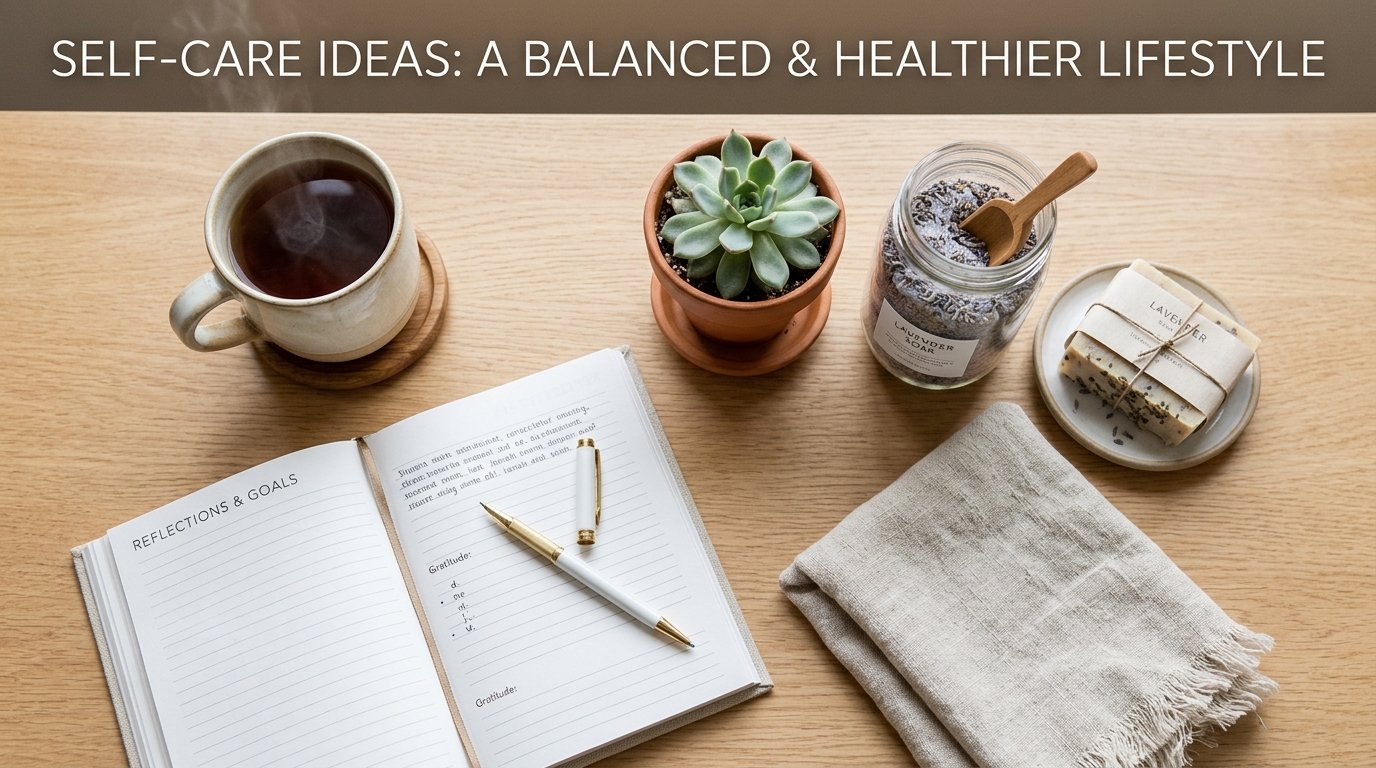
Introduction
In today’s busy world, taking care of yourself is just as important as managing your work, family responsibilities, education, and personal goals. Many people spend most of their time looking after others or trying to meet daily expectations, leaving little time for their own physical and emotional needs. Over time, this can contribute to stress, tiredness, poor sleep, and a feeling of being overwhelmed. Practicing self-care can help you create a healthier routine, feel more balanced, and enjoy everyday life with greater confidence.
Self-care ideas for a balanced, relaxing, and healthier lifestyle do not have to be expensive or complicated. Simple activities such as taking a peaceful walk, eating balanced meals, getting enough sleep, spending time with loved ones, reading a book, or enjoying a few quiet moments can make a meaningful difference to your daily routine. The purpose of self-care is not to achieve perfection but to recognize your needs and make time for habits that support your well-being.
A healthy self-care routine includes physical care, emotional awareness, mental relaxation, social connection, and a comfortable environment. Everyone has different responsibilities and preferences, so the most effective self-care habits are those that fit naturally into your lifestyle. You do not need to change your entire schedule overnight. Starting with small, realistic steps can help you build routines that are easier to maintain.
In this guide, you will discover practical self-care tips, relaxing activities, healthy lifestyle habits, and simple ways to reduce everyday stress. Whether you have a busy work schedule, study at university, manage a household, or simply want to improve your daily routine, these self-care ideas can help you make your well-being a priority.
1. Create a Simple Morning Self-Care Routine
The way you begin your morning can influence how organized and prepared you feel throughout the day. A calm morning routine gives you an opportunity to focus on your needs before becoming involved in work, messages, and other responsibilities.
You do not need to wake up extremely early or follow a complicated schedule. Start with a few manageable activities, such as drinking water, opening the curtains, washing your face, stretching gently, and eating a nutritious breakfast. These small habits can help you transition into the day more comfortably.
Avoid immediately checking social media or responding to unnecessary notifications if doing so makes your mornings feel rushed. Instead, consider spending the first few minutes away from your phone. You might listen to calming music, write down your priorities, or enjoy a quiet cup of tea.
A morning routine should suit your natural schedule and responsibilities. If you have limited time, even five to ten minutes of intentional self-care can be useful. The goal is to begin the day with a sense of direction rather than pressure.
Over time, a consistent morning routine can make everyday tasks feel more manageable. Choose activities you genuinely enjoy and adjust your routine whenever your circumstances change.
2. Prioritize Quality Sleep
Sleep is an important part of a healthy lifestyle because it supports physical recovery, concentration, mood, and everyday functioning. When you regularly sleep poorly, ordinary tasks may feel more difficult, and you may find it harder to manage stress.
One helpful self-care habit is maintaining a consistent sleep schedule. Try to go to bed and wake up at approximately the same times each day, including weekends when practical. A regular routine can help support your body’s natural sleep-wake cycle.
Create a relaxing bedtime routine that helps you slow down. You might read a few pages of a book, take a warm shower, listen to gentle music, or prepare your clothes for the next day. Reducing stimulating activities before bedtime may also help you feel more ready to sleep.
Your bedroom environment matters as well. Keep your sleeping space as comfortable, dark, and quiet as possible. Choose bedding that suits your preferences and adjust the room temperature to a comfortable level.
Limit caffeine later in the day if it affects your sleep, and avoid using alcohol as a sleep aid. If you experience persistent sleep difficulties that affect your daily life, consider seeking advice from a qualified healthcare professional.
Remember that healthy sleep habits are not about forcing yourself to sleep perfectly every night. They are about creating supportive conditions that make sufficient rest more achievable.
3. Practice Mindfulness and Deep Breathing
Mindfulness is the practice of paying attention to the present moment without immediately judging your thoughts or feelings. It can be a useful self-care activity when everyday responsibilities make you feel distracted or overwhelmed.
You can practice mindfulness in several simple ways. Sit comfortably, notice your breathing, and gently bring your attention back whenever your mind wanders. You do not need to clear your mind completely. Simply observing your thoughts and returning your attention to the present is enough to begin.
Deep breathing can also help you pause during a stressful day. Breathe in gently through your nose, then breathe out slowly without forcing your breath. Repeat for a few comfortable cycles. Stop if you feel dizzy or uncomfortable.
You can combine mindfulness with everyday activities. Pay attention to the taste of your breakfast, notice the surroundings during a walk, or focus on the sensations of stretching. These small moments can provide a break from constantly thinking about future tasks.
Start with two to five minutes daily and increase the time if you find it helpful. Some people prefer guided meditation, while others enjoy quiet reflection. Choose the approach that feels natural to you.
Mindfulness is not a replacement for professional mental health care, but it can be one part of a broader self-care routine.
4. Make Time for Regular Physical Activity
Physical activity is an important element of self-care because it supports general health, mobility, energy, and mood. Exercise does not have to involve a gym membership or an intense training program. Many everyday activities can help you move more consistently.
Walking is one of the simplest options. You can walk around your neighborhood, visit a nearby park, or take a short walk during a work break. If you spend much of the day sitting, standing up regularly and moving around can help interrupt long periods of inactivity.
Other options include gentle stretching, dancing, cycling, swimming, yoga, or beginner-friendly home workouts. Choose activities that match your fitness level, physical abilities, available time, and personal preferences.
Consistency is generally more useful than setting unrealistic exercise goals. Begin with a manageable amount of movement and gradually increase it as you become more comfortable. If you have a health condition, mobility limitation, or concerns about starting exercise, ask a qualified professional for guidance.
You can make physical activity more enjoyable by listening to music, exercising with a friend, or exploring different activities until you find something you like.
Treat movement as a way to care for your body rather than a punishment for what you eat. A balanced approach can help you build a healthier relationship with exercise and make it a sustainable part of everyday life.
5. Eat Balanced and Nourishing Meals
Nutrition is another important aspect of self-care. Eating regularly and choosing a variety of nourishing foods can support energy, concentration, and overall health.
Aim to include a range of foods in your meals, such as vegetables, fruits, whole grains, protein-rich foods, and sources of healthy fats. Examples include oats, eggs, beans, lentils, yogurt, fish, nuts, seeds, brown rice, and seasonal produce. Your choices can vary according to your culture, budget, dietary requirements, and preferences.
Meal planning can make healthy eating easier when your schedule is busy. Prepare a few ingredients in advance, keep convenient nutritious options available, or plan simple meals for the coming days. You do not need to prepare elaborate recipes to eat well.
Try to avoid treating food as something that must be earned through exercise or restricted because of guilt. A flexible approach that allows enjoyment as well as nourishment is more practical for many people.
Drinking water regularly is also a useful habit. Keep a reusable bottle nearby if it reminds you to drink throughout the day. Individual fluid needs vary with activity, climate, and health, so pay attention to your own circumstances.
If you have a medical condition, food allergy, or specific dietary requirements, personalized advice from a qualified healthcare professional or registered dietitian may be helpful.
6. Take Breaks From Digital Devices
Phones, computers, and social media are part of modern life, but continuous screen use can leave some people feeling distracted or mentally tired. Digital self-care means using technology intentionally rather than allowing it to control every available moment.
Start by noticing how you feel after using particular apps or websites. If scrolling makes you anxious, distracted, or dissatisfied, consider setting reasonable limits. You can turn off nonessential notifications, move distracting apps away from your home screen, or choose specific times to check messages.
Create small screen-free periods during the day. For example, enjoy a meal without your phone, spend a few minutes outside without checking notifications, or put devices away while preparing for sleep.
You can also replace some scrolling time with activities that help you relax, such as reading, drawing, listening to music, gardening, or talking with a friend.
A digital detox does not require abandoning technology entirely. The purpose is to create a healthier balance between online activities and the rest of your life.
Be realistic about work, education, and family needs. Instead of aiming for a completely screen-free lifestyle, focus on habits that reduce unnecessary distraction and give you more control over your time.
7. Build a Relaxing Evening Routine
An evening routine can help you transition from daily responsibilities to rest. Rather than trying to complete everything at the last minute, set aside a little time to slow down and prepare for the next day.
Begin by choosing a few relaxing activities. You might take a shower, change into comfortable clothes, prepare a simple dinner, read a book, or listen to music. If writing helps you organize your thoughts, spend a few minutes recording what went well during the day and what you would like to do tomorrow.
Preparing a few essentials in advance can also reduce morning stress. Lay out your clothes, organize your bag, or write a short priority list. Avoid creating an overly demanding evening checklist that leaves you feeling more pressured.
Try to separate work from rest when possible. If you work from home, a small closing ritual, such as tidying your desk or shutting down your computer, may help you mark the end of the workday.
Keep your evening routine flexible. Some nights will be busier than others, and that is normal. A simple routine that you can maintain most days is more useful than a perfect routine that quickly becomes exhausting.
8. Spend Time Outdoors and Connect With Nature
Spending time outdoors can provide a refreshing break from indoor routines. Natural surroundings, fresh air, and gentle movement may help you feel more relaxed and connected to your environment.
You do not need to plan an expensive trip or visit a remote destination. Walk through a local park, sit in a garden, enjoy a balcony with plants, or take a short break outside during daylight hours.
If you enjoy gardening, caring for plants can become a rewarding self-care activity. You might grow herbs in small pots, maintain a few indoor plants, or help with a community garden. These activities can provide a pleasant routine and a sense of accomplishment.
Outdoor time can also be combined with other healthy habits. Take a walk with a friend, read a book in a quiet outdoor space, or practice gentle stretching in a suitable location.
Consider weather conditions, air quality, sun protection, and personal safety when planning outdoor activities. If outdoor access is limited, you can bring elements of nature into your home with plants, natural light, or nature photography.
The important thing is to find small opportunities to step away from your usual environment and enjoy a change of scenery.
9. Practice Emotional Self-Care
Emotional self-care involves recognizing your feelings, responding to your needs, and developing healthy ways to manage difficult experiences. It does not mean feeling positive all the time or avoiding uncomfortable emotions.
Begin by checking in with yourself. Ask questions such as, “How am I feeling today?” “What is making me feel overwhelmed?” or “What would help me feel more supported?” Naming your emotions can sometimes make them easier to understand.
Journaling is one way to explore your thoughts. Write freely about your day, record things you appreciate, or identify a problem you would like to address. You do not need to write beautifully or share your journal with anyone.
It is also important to accept that you cannot control every situation. Focus on what is within your influence, and allow yourself to take a break when something cannot be resolved immediately.
If you are experiencing difficult emotions, consider talking with a trusted friend, family member, counselor, or mental health professional. Asking for help is a valid form of self-care, not a sign of failure.
Emotional well-being develops over time. Be patient with yourself, recognize your progress, and avoid comparing your personal journey with what you see online.
10. Set Healthy Boundaries and Learn to Say No
Healthy boundaries help protect your time, energy, and personal needs. When you agree to every request, take on too many responsibilities, or feel obligated to remain available at all times, it can become difficult to maintain balance.
Start by identifying the commitments that matter most to you. Consider your work, relationships, personal goals, rest, and other responsibilities. If your schedule is consistently overloaded, look for tasks you can postpone, simplify, share, or decline.
Saying no does not have to be rude or confrontational. You can respond politely by explaining that you are unable to take on another task or that you need time to manage your current commitments. You do not need to provide a long explanation every time.
Digital boundaries can be useful as well. You might establish times when you do not respond to nonurgent messages or let people know when you are available for conversations.
Boundaries also apply to relationships. Healthy relationships generally allow people to express needs, disagree respectfully, and maintain individual interests.
Setting boundaries may feel uncomfortable at first, particularly if you are accustomed to pleasing others. Practice with small situations and adjust your approach according to the circumstances.
Remember that self-care is not selfish. Taking reasonable care of your own needs can help you approach responsibilities and relationships with greater patience and clarity.
11. Make Your Home a Peaceful Space
Your surroundings can influence how comfortable and relaxed you feel at home. You do not need a large house or expensive decorations to create a pleasant environment. Small changes can make your living space more functional and welcoming.
Begin with one area, such as your bedside table, desk, or living room. Remove items you no longer need, organize frequently used belongings, and make sure essential objects are easy to find. A tidy space can reduce everyday frustration, although it is not necessary to keep every part of your home perfectly organized.
Lighting can also affect the atmosphere. Use natural daylight when available and choose comfortable lighting for the evening. Soft furnishings, clean bedding, cushions, or a favorite blanket can make a room feel more inviting.
If you enjoy plants, add a few that suit your space and available light. You can also create a relaxation corner with a comfortable chair, books, or a journal.
Sound and scent are personal preferences. Some people enjoy gentle music, while others prefer quiet. If you use scented products, choose options that you tolerate comfortably and consider the needs of other people and pets in your home.
Focus on changes that improve your everyday experience instead of buying decorations simply because they are popular.
12. Enjoy Hobbies and Creative Activities
Hobbies offer a way to enjoy your time outside work and daily obligations. They can encourage creativity, provide a sense of progress, and help you reconnect with interests that may have been neglected during busy periods.
Choose activities that genuinely appeal to you. Examples include reading, painting, photography, cooking, baking, gardening, knitting, playing an instrument, writing, or learning a new language. You can also explore simple do-it-yourself projects or take up a sport for recreation.
You do not need to be especially talented at a hobby for it to be worthwhile. The purpose is to enjoy the process, explore your interests, and give yourself an activity that is not entirely focused on productivity.
If your schedule is busy, begin with fifteen minutes once or twice a week. Keep your supplies accessible and choose a small project that does not require too much preparation.
Some hobbies are social, while others offer quiet time alone. Both can be valuable, depending on your needs. You may even discover that alternating between social and individual activities helps you maintain balance.
Make room for enjoyment without turning every hobby into a goal or performance challenge. Free time is valuable even when it does not produce a measurable result.
13. Strengthen Your Social Connections
Healthy relationships are an important part of a balanced lifestyle. Spending time with people you trust can provide companionship, emotional support, and opportunities to share experiences.
You do not need a large social circle to benefit from meaningful connections. A thoughtful conversation with a friend, a family meal, a phone call with a relative, or a walk with someone you enjoy spending time with can help maintain relationships.
Make an effort to stay connected in ways that suit both your schedule and the other person’s needs. If meeting in person is difficult, a short message or video call may be a practical alternative.
It is also important to recognize the difference between supportive relationships and relationships that consistently leave you feeling unsafe or emotionally drained. You can care about someone while still maintaining appropriate boundaries.
If you feel lonely, consider exploring community activities, volunteering, local interest groups, classes, or hobby-based communities. Building friendships takes time, so approach new connections with patience.
Social self-care does not mean being available to everyone constantly. Balance time with others with enough personal space to rest and recharge.
14. Create a Realistic Self-Care Budget
Self-care is often presented as shopping for skincare products, visiting spas, buying expensive wellness products, or booking holidays. These activities can be enjoyable, but they are not necessary for maintaining a healthy self-care routine.
Many useful self-care activities cost little or nothing. Walking outdoors, reading a library book, stretching at home, journaling, preparing a nourishing meal, or en
Leave a Reply